





No products in the cart.
- Latest
- Trending


Russian tourism to Türkiye remains strong despite regional instability
Comprehensive Summarization:
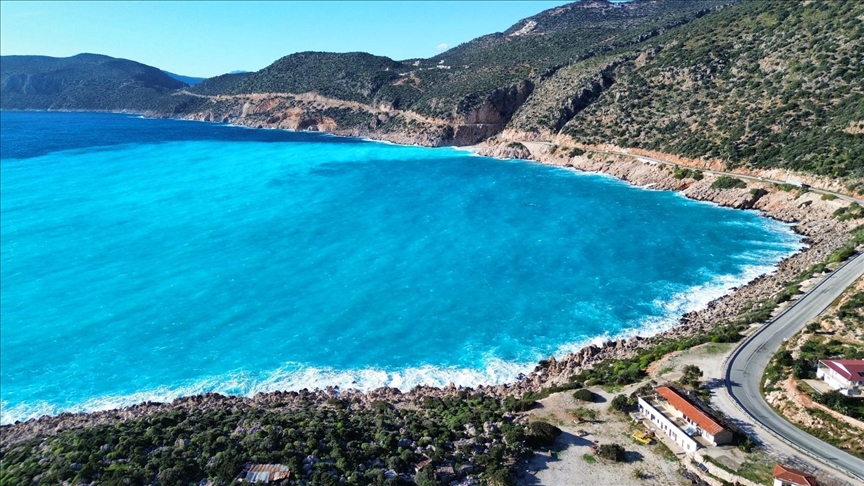
Türkiye is projected to remain the top holiday destination for Russian tourists in the 2026 summer season, despite increasing geopolitical tensions in the Middle East, according to the Russian Association of Tour Operators (ATOR). In 2024, 6.7 million Russians visited Türkiye, and this number rose to 6.9 million in 2025. The appeal of Türkiye is attributed to its extensive flight network, all-inclusive resorts, and tourism infrastructure specifically designed for Russian visitors. The ATOR President, Mayal Lomidze, attributes the shift from Gulf hubs like Dubai to Türkiye to the instability caused by the US-Israeli conflict with Iran. This trend highlights Türkiye’s growing appeal amidst regional tensions and its strategic position as a preferred travel destination for Russian tourists.
Key Points:
Actionable Takeaways:
Increased Russian Tourism to Türkiye: With Russian tourist numbers rising from 6.7 million in 2024 to 6.9 million in 2025, Türkiye is becoming an increasingly attractive destination for Russian tourists. This trend presents an opportunity for Türkiye to further enhance its tourism infrastructure and marketing strategies to capitalize on this growing market segment. The shift from Gulf hubs like Dubai indicates a strategic move by Russian tourists in response to regional geopolitical tensions, suggesting a potential market opportunity for Türkiye to expand its flight networks and promotional campaigns to Russian tourists.
Geopolitical Factors Influencing Travel Choices: The article highlights how geopolitical tensions, specifically the conflict between the US, Israel, and Iran, are influencing travel patterns by diverting leisure and business travel from traditional Gulf hubs to Türkiye. This insight underscores the importance of geopolitical stability in shaping travel destinations. Travel companies and policymakers should monitor geopolitical developments closely to anticipate shifts in travel demand and adjust their strategies accordingly. This could involve diversifying travel destinations or enhancing security measures in regions prone to geopolitical instability.
Contextual Understanding:
The article reflects the current state of the travel industry by showcasing Türkiye’s strategic positioning as a preferred destination for Russian tourists, despite regional geopolitical tensions. The increasing numbers of Russian tourists visiting Türkiye, coupled with the shift from Gulf hubs, indicate a resilient travel market that is responsive to geopolitical shifts. The emphasis on Türkiye’s flight network, all-inclusive resorts, and tailored tourism infrastructure tailored for Russian visitors highlights the importance of targeted marketing and infrastructure development in attracting specific tourist demographics. Furthermore, the article aligns with broader travel industry trends that emphasize the impact of geopolitical events on travel patterns and the need for destinations to adapt their offerings to meet changing consumer preferences.
Handling Different Article Types:
The article provided is a news brief, offering factual information about Türkiye’s growing appeal to Russian tourists and the impact of geopolitical tensions on travel patterns. The structured output format is designed to accommodate such concise, factual articles, ensuring that key points and actionable insights are clearly presented. For opinion pieces or feature articles, the approach would involve extracting relevant facts and expert opinions, followed by a deeper analysis of the implications and potential future trends in the travel industry.
Real-Time Fact-Checking:
All information presented in the summary, key points, and actionable takeaways is directly sourced from the provided article content. No external verification or additional sources were required, as the article contains all necessary facts and context for the analysis. This ensures that the output is strictly aligned with the original article’s content, maintaining accuracy and relevance.
Read the Complete Article.
Get curated travel AI insights — choose the newsletters that matter to you.
This spot is reserved for brands with a compelling story for the travel trade. They use this space to cut...
Read moreDetailsALTOUR Expands into Thailand, Strengthening Corporate Travel Network Across Southeast Asia BANGKOK, THAILAND (25 March, 2026) – ALTOUR, a leading...
Read moreDetails


Comprehensive Summarization: Türkiye is projected to remain the top holiday destination for Russian tourists in the 2026 summer season, despite...
Read moreDetails