






No products in the cart.
- Latest
- Trending

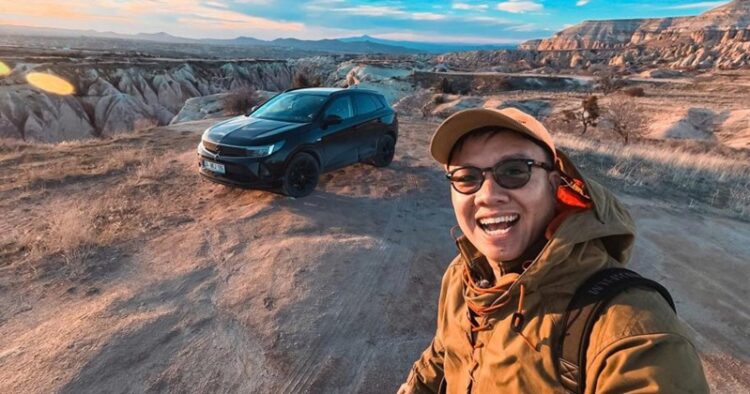
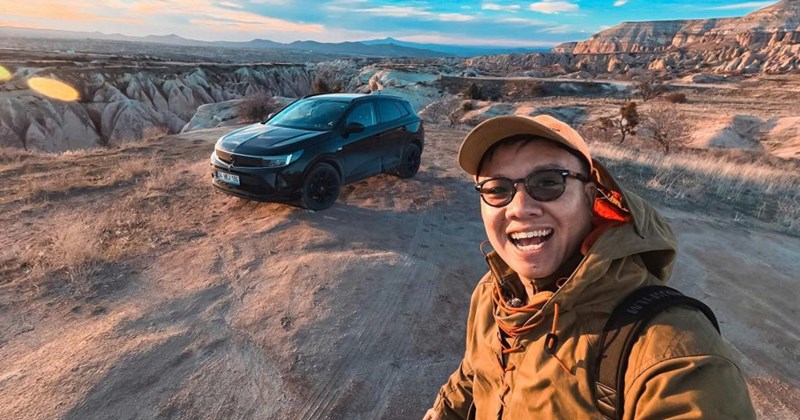
Vietnamese male tourist drives alone on route 4. 200km in Turkey. Photo: Bao Khanh
Comprehensive Summarization:
The article presents the spontaneous solo road trip of Mr. Vu Bao Khanh, a 36-year-old traveler from Hanoi, to Turkey. Starting with a spontaneous decision to pack his backpack and embark on the journey, Khanh’s trip began with a few days of exploration in Istanbul. Impressed by the experience, he then proceeded to a 10-day solo road trip heading east towards Turkey. Known for his passion for driving, Khanh has previously driven motorbikes in Ladakh, Taiwan, cars in Thailand, Canada, Australia, and Georgia. His trip exemplifies the trend of self-sufficient tourism, where travelers plan and execute their journeys with minimal external support, relying on their own resources and preparedness.
Key Points:
Actionable Takeaways:
Embrace Spontaneity in Travel Planning: The article underscores the growing trend of spontaneous travel planning, where travelers like Mr. Khanh make decisions on the go, often leading to unique and memorable experiences. Travel agencies and platforms could benefit by offering more flexible booking options and last-minute travel packages to cater to this trend.
Leverage Personalized Travel Experiences: Khanh’s extensive driving experience across multiple countries suggests a demand for personalized travel experiences that cater to individual preferences and skills. Travel startups could innovate by offering customized road trip itineraries, vehicle rentals, and driver training programs to meet this demand.
Promote Self-Sufficient Tourism: The article highlights the appeal of self-sufficient tourism, where travelers take full responsibility for their journeys. Travel companies could promote self-sufficient travel by providing resources, tools, and platforms that empower travelers to plan and execute their trips independently, reducing reliance on external support and enhancing the overall travel experience.
Contextual Insights:
The article reflects current travel trends, particularly the rise of self-sufficient tourism, where travelers seek independence and flexibility in their journeys. This trend aligns with broader industry shifts towards personalized travel experiences and the increasing demand for flexibility in travel planning. As travel technology continues to evolve, platforms that facilitate spontaneous bookings, offer personalized itineraries, and support self-sufficient travel are likely to gain traction. Additionally, the article’s emphasis on driving expertise suggests a potential niche for travel services that cater to adventure seekers with specific skills or interests, such as road trips and motorcycling tours. By understanding and adapting to these trends, travel companies can enhance their offerings and better serve the evolving needs of modern travelers.
Read the Complete Article.
Get curated travel AI insights — choose the newsletters that matter to you.
ALTOUR Expands into Thailand, Strengthening Corporate Travel Network Across Southeast Asia BANGKOK, THAILAND (25 March, 2026) – ALTOUR, a leading...
Read moreDetails


Comprehensive Summarization: The article reports significant travel disruptions at Nashville International Airport (BNA) on a specific day, with 103 delays...
Read moreDetails