The article discusses the urgent need for Turkish hotels to focus on the domestic market to survive the challenges posed by the Middle East conflict in 2026. At the TÜRSAB Tourism Congress in Antalya, industry leaders, including TÜRSAB President Firuz Bağlıkaya, emphasized the importance of slashing domestic prices to maintain occupancy. Despite the initial shock and wave of cancellations due to the conflict, reservations have begun again, indicating a recovery in the tourism sector. However, the industry predicts 2026 will be a “last-minute year,” with travelers opting to book closer to their travel dates rather than months in advance.
Key Points:
Turkish hotels must prioritize the domestic market to survive the 2026 tourism season amidst the Middle East conflict.
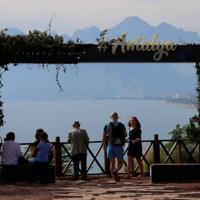
Industry leaders at the TÜRSAB Tourism Congress in Antalya discussed the impact of the conflict on Türkiye’s tourism sector.
Reservations have started again after the initial shock and wave of cancellations due to the conflict.
The tourism sector is expected to be a “last-minute year” in 2026, with travelers booking closer to their travel dates.
Bağlıkaya urged the industry to reduce domestic prices to maintain occupancy.
Actionable Takeaways:
Price Reduction Strategy: Hotels should consider reducing domestic prices to attract more local travelers and maintain occupancy rates. This strategy is crucial as the industry predicts a shift towards last-minute bookings in 2026. By lowering prices, hotels can compete more effectively in the domestic market and capitalize on the increased booking activity closer to travel dates.
Flexible Booking Policies: To accommodate the trend of last-minute bookings, hotels should implement flexible booking policies. This includes offering last-minute discounts, flexible cancellation policies, and easy booking options online. Such policies can help attract spontaneous travelers and reduce the risk of empty rooms due to last-minute cancellations.
Enhanced Marketing to Domestic Markets: Given the focus on the domestic market, hotels should enhance their marketing efforts to target local travelers. This could involve targeted advertising campaigns, partnerships with local travel agencies, and promotional offers specifically designed for domestic tourists. Effective marketing can drive awareness and bookings, ensuring hotels are well-prepared for the anticipated increase in last-minute bookings.
Contextual Insights:
The article reflects the current challenges faced by the Turkish tourism sector due to geopolitical tensions in the Middle East. The recovery in reservations indicates a resilient industry that is adapting to new market dynamics. The prediction of a “last-minute year” in 2026 highlights a shift in consumer behavior, with travelers opting for more spontaneous travel plans. This trend underscores the importance of flexible booking policies and last-minute marketing strategies. Furthermore, the emphasis on slashing domestic prices aligns with broader industry trends towards price competitiveness, especially in regions where geopolitical risks impact travel confidence. By integrating these insights, the travel industry can better navigate the evolving landscape and capitalize on emerging opportunities.