



No products in the cart.
- Latest
- Trending


Comprehensive Summarization:
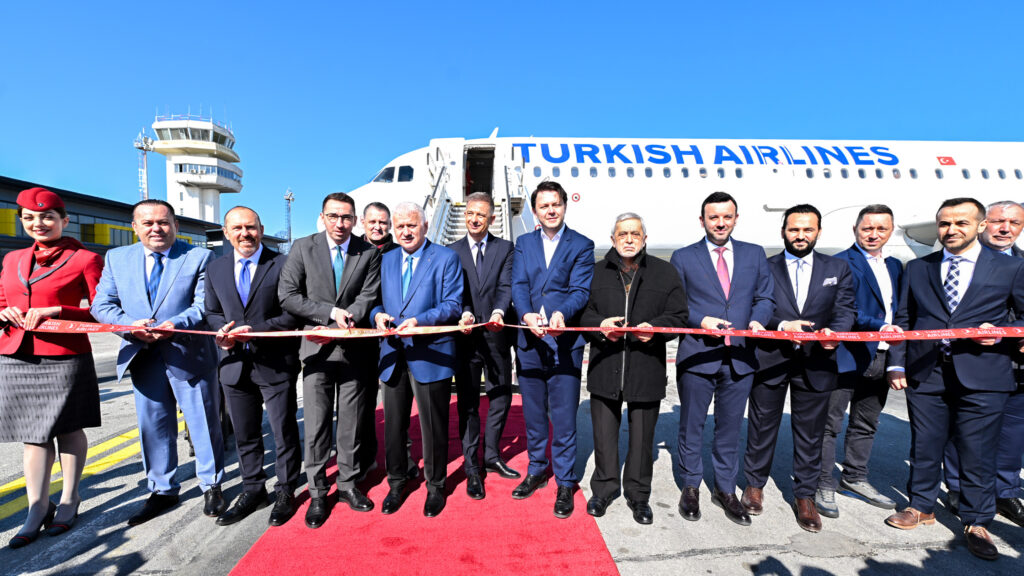
The article reports that Turkey has joined Greece in extending a special one-year visa program for Turkish citizens, facilitating easy access to popular Aegean islands such as Rhodes, Samos, Kalymnos, and Lesvos. This initiative aims to boost local tourism and stimulate economic development in the region. The move is part of broader travel trends that emphasize seamless access and enhanced visitor experiences, aligning with the industry’s push towards innovative travel solutions and economic growth.
Key Points:
Actionable Takeaways:
Enhanced Visa Programs as a Tourism Catalyst: The extension of the visa program underscores the importance of streamlined travel processes in driving tourism. Travel agencies and policymakers should consider implementing similar visa facilitation programs to attract more visitors and stimulate local economies. This approach not only simplifies travel logistics for tourists but also creates opportunities for local businesses to thrive.
Leveraging Regional Cooperation for Economic Growth: The collaboration between Turkey and Greece exemplifies how regional cooperation can be leveraged for mutual economic benefits. Other neighboring countries in the travel industry should explore similar partnerships to enhance cross-border tourism, thereby fostering economic development and cultural exchange.
Contextual Insights:
The extension of the visa program aligns with current travel industry trends that prioritize ease of access and enhanced visitor experiences. As highlighted by thought leaders in the sector, seamless travel solutions are becoming a key differentiator for destinations aiming to attract more tourists. This initiative also reflects a growing emphasis on economic development within the travel sector, where destinations are increasingly viewed as not just tourist attractions but as economic hubs. Furthermore, the move underscores the importance of regional cooperation in the travel industry, where neighboring countries can collaborate to create synergies that benefit all parties involved. As travel tech continues to evolve, such initiatives may pave the way for more innovative solutions that integrate digital platforms with traditional travel services, further enhancing the visitor experience and driving economic growth.
Read the Complete Article.
Get curated travel AI insights — choose the newsletters that matter to you.