







No products in the cart.
- Latest
- Trending

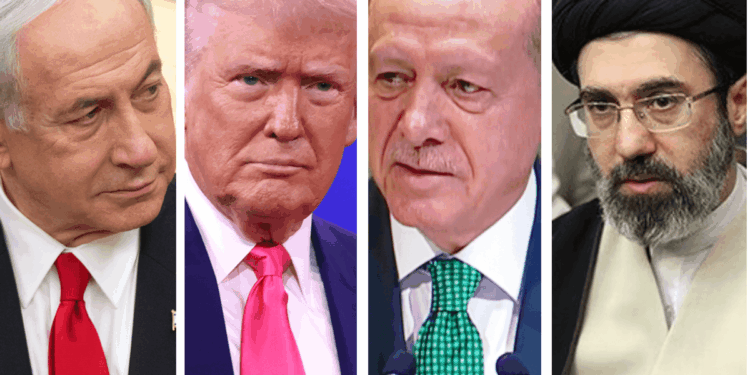
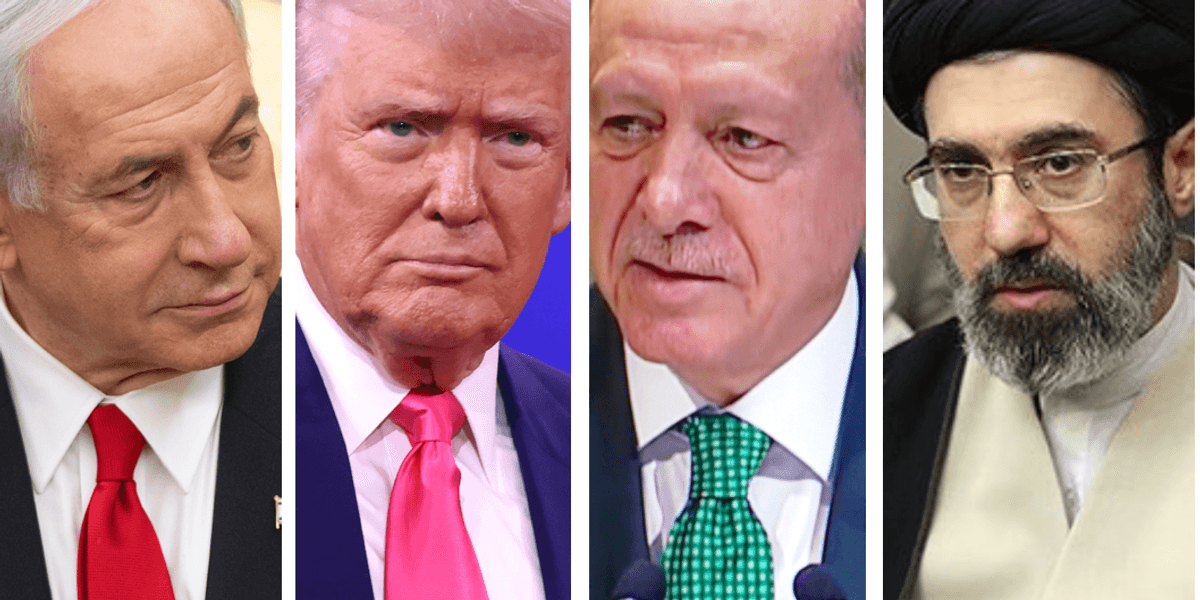
Squeezed between hostile powers, Turkey tries playing it cool
Comprehensive Summarization:
Turkey has been actively advocating for an end to the U.S.-Israeli conflict with Iran since the campaign began late last month. In the weeks leading up to February 28, Turkey joined the Gulf Cooperation Council (GCC) states in lobbying the Trump administration to resolve issues with Tehran through diplomacy rather than war. Turkish leaders believed that limited U.S. or Israeli strikes on Iran would result in widespread fallout. Currently, Turkey is maintaining neutrality and geopolitical balance amidst the escalating conflict, which has spread to the Indian Ocean and the European Union. Turkish President Recep Tayyip Erdogan condemned the U.S. and Israel’s Operation Epic Fury, warning of a “ring of fire” in the Middle East. The article also touches on the latest travel trends and insights from thought leaders, highlighting the importance of geopolitical stability in the travel industry.
Key Points:
Actionable Takeaways:
Geopolitical Stability is Crucial for Travel Industry: The escalating conflict between the U.S., Israel, and Iran has far-reaching implications for the travel industry. Maintaining geopolitical stability is essential for ensuring safe and secure travel, which is a key driver of tourism. Travel companies should closely monitor geopolitical developments and develop contingency plans to mitigate risks associated with regional conflicts.
Diplomacy Over Conflict: The article highlights Turkey’s successful lobbying efforts for diplomatic solutions to the Iran conflict. This underscores the importance of diplomacy in resolving international disputes. Travel companies and policymakers should prioritize diplomatic efforts to prevent conflicts from escalating, as they can have significant negative impacts on travel and tourism.
Expert Insights on Travel Trends: The article references the latest travel trends and insights from thought leaders. Travel startups and fintech innovations are increasingly focusing on enhancing travel experiences while ensuring safety and security. Companies in the travel industry should stay abreast of these trends and consider integrating them into their offerings to meet evolving customer expectations.
Contextual Insights:
The article’s context is deeply rooted in the current geopolitical climate, particularly the tensions between the U.S., Israel, and Iran. These tensions have broader implications for the travel industry, as geopolitical instability can lead to travel advisories, border closures, and disruptions in air and sea travel. The importance of neutrality and diplomacy, as demonstrated by Turkey’s actions, is a critical factor in maintaining the flow of international travel. Furthermore, the article’s inclusion of travel trends and insights from thought leaders underscores the need for the travel industry to adapt to changing global dynamics. Innovations in travel technology, such as enhanced security measures and digital travel solutions, are becoming increasingly important in navigating the complexities of modern travel. By leveraging these insights, travel companies can position themselves to capitalize on emerging opportunities while mitigating risks associated with geopolitical uncertainties.
Read the Complete Article.
Get curated travel AI insights — choose the newsletters that matter to you.
ALTOUR Expands into Thailand, Strengthening Corporate Travel Network Across Southeast Asia BANGKOK, THAILAND (25 March, 2026) – ALTOUR, a leading...
Read moreDetails


Comprehensive Summarization: Turkey has been actively advocating for an end to the U.S.-Israeli conflict with Iran since the campaign began...
Read moreDetails