








No products in the cart.
- Latest
- Trending


United Arab Emirates Joins Turkey, Jordan, Oman, Qatar, Bahrain, And More Countries In Suffering Tou...
Comprehensive Summarization:
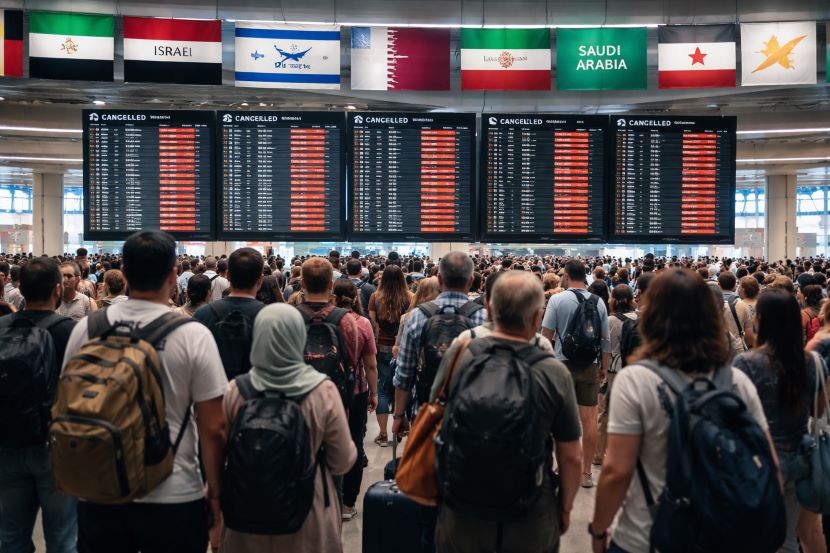
The article highlights the severe downturn in the tourism industry across the Middle East, including the United Arab Emirates, Turkey, Jordan, Oman, Qatar, Bahrain, and other countries. This downturn is primarily attributed to escalating regional tensions, particularly the ongoing conflict between the US, Israel, and Iran. The conflict has led to a wave of flight cancellations and hotel booking disruptions, causing international travelers to reconsider their travel plans. The article underscores the significant impact of geopolitical events on the travel sector, emphasizing the need for the industry to adapt to such volatile conditions.
Key Points:
Actionable Takeaways:
Diversify Travel Offerings: Travel companies should diversify their offerings to include alternative destinations that are less affected by regional conflicts. This strategy can help mitigate the impact of geopolitical tensions on their business and attract travelers seeking safer travel options.
Enhance Digital Communication: Improve communication strategies to inform potential travelers about the current situation and reassure them about safety measures. Utilize digital platforms to provide real-time updates and transparent information, which can help build trust and encourage bookings.
Invest in Risk Management: Develop robust risk management strategies that include monitoring geopolitical developments and having contingency plans in place. This could involve partnerships with local authorities and travel insurance providers to offer comprehensive support to travelers.
Contextual Insights:
The article reflects the current state of the travel industry, where geopolitical events can have a profound impact on travel demand and consumer behavior. The recent conflict between the US, Israel, and Iran serves as a stark reminder of how quickly travel trends can shift due to external factors. This situation underscores the importance of adaptability and resilience in the travel sector. Experts suggest that the industry must leverage technology and innovation to stay ahead of such challenges. For instance, advancements in digital travel solutions, such as AI-driven risk assessment tools and virtual travel experiences, can help mitigate the risks associated with geopolitical instability. Additionally, thought leaders emphasize the need for collaboration among industry stakeholders to develop shared strategies for navigating turbulent times. By integrating these insights, the travel industry can better position itself to withstand and recover from future disruptions caused by geopolitical tensions.
Read the Complete Article.
Get curated travel AI insights — choose the newsletters that matter to you.
ALTOUR Expands into Thailand, Strengthening Corporate Travel Network Across Southeast Asia BANGKOK, THAILAND (25 March, 2026) – ALTOUR, a leading...
Read moreDetails


Comprehensive Summarization: The article highlights the severe downturn in the tourism industry across the Middle East, including the United Arab...
Read moreDetails