









No products in the cart.
- Latest
- Trending


US Joins Turkey, Israel, Greece, Cyprus, and More Countries in Battling Ultimate Tourism Collapse, U...
Comprehensive Summarization:
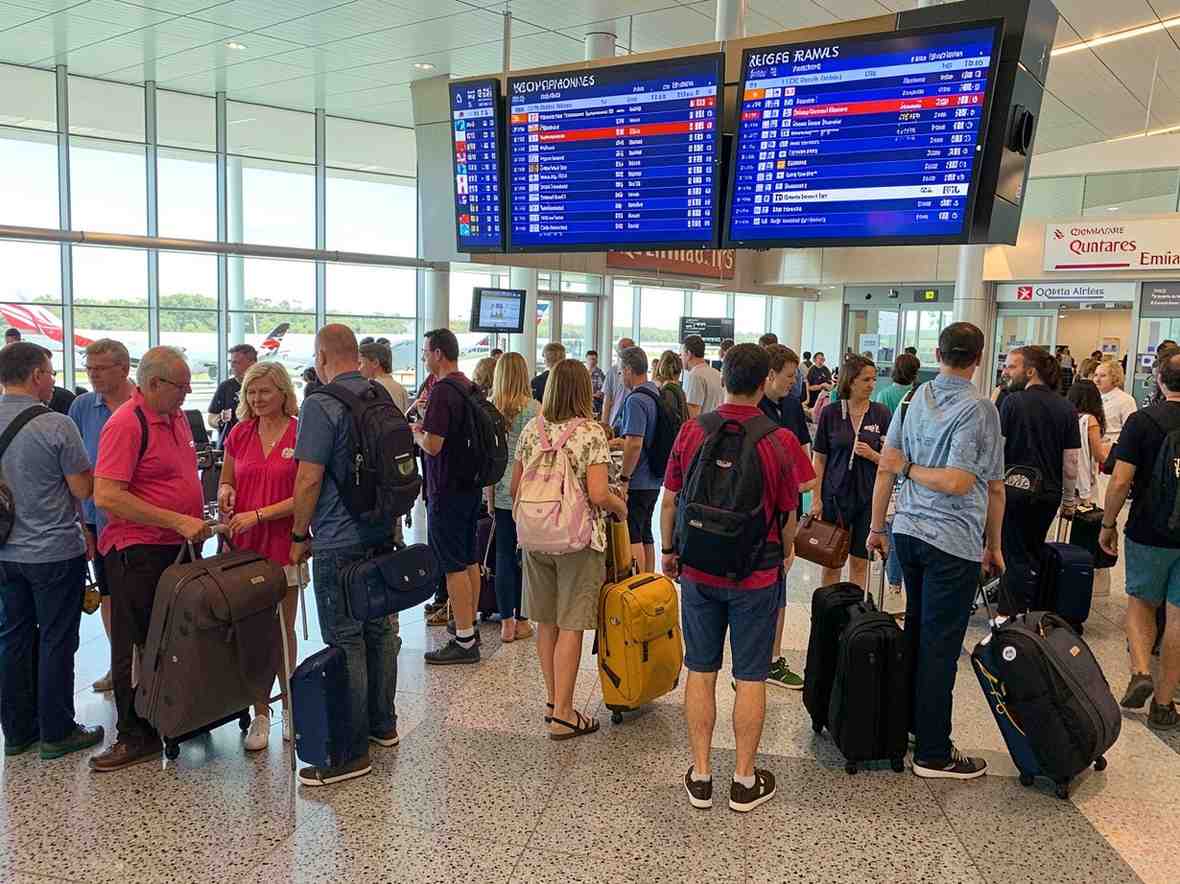
The article highlights the significant impact of the Iran war on global travel, particularly focusing on the tourism decline in countries like Turkey, Israel, Greece, and Cyprus. The conflict has led to airspace closures, heightened safety concerns, and a surge in flight cancellations, resulting in unprecedented levels of booking cancellations. This situation is crippling the tourism industry, as travelers adjust their plans and global flight operations are rerouted or canceled. The article underscores the urgent need for the travel industry to adapt to these disruptions, emphasizing the importance of flexibility and innovation in response to the evolving global travel landscape.
Key Points:
Actionable Takeaways:
Adaptation Strategies for Travel Agencies: Travel agencies should develop flexible booking policies and offer travel insurance options that cover cancellations and rescheduling due to geopolitical events. This proactive approach can help mitigate the financial impact on both agencies and travelers, ensuring they remain competitive in a volatile market.
Investment in Travel Tech Solutions: The crisis presents an opportunity for travel startups and fintech companies to innovate in areas such as digital payment solutions, virtual tour experiences, and real-time travel advisories. By leveraging technology, these companies can provide enhanced services and support to travelers, helping them navigate disruptions more effectively.
Collaboration and Communication: Travel companies should enhance communication with their clients by providing transparent updates on travel advisories, safety measures, and alternative travel options. Collaborating with governments and international bodies to share information and coordinate responses can also help in managing the crisis more effectively.
Contextual Understanding:
The article is set against the backdrop of a global geopolitical crisis, specifically the Iran war, which has had a profound impact on international travel. The focus on countries like Turkey, Israel, Greece, and Cyprus underscores the widespread nature of the disruption, affecting major tourist destinations. The emphasis on airspace closures, safety concerns, and flight cancellations highlights the multifaceted challenges faced by the travel industry. The article also touches on the broader implications for the travel sector, including the need for adaptability and the potential for technological innovation to address these challenges. By integrating insights from thought leaders, the article provides a forward-looking perspective on how the industry can evolve in response to such disruptions.
Handling Different Article Types:
The article falls under the category of a news blurb, providing a concise overview of a significant event affecting the travel industry. It presents factual information without presenting opinions or analyses. The structured output format is suitable for summarizing such articles, ensuring clarity and relevance for a professional audience.
Read the Complete Article.
Get curated travel AI insights — choose the newsletters that matter to you.
This spot is reserved for brands with a compelling story for the travel trade. They use this space to cut...
Read moreDetailsALTOUR Expands into Thailand, Strengthening Corporate Travel Network Across Southeast Asia BANGKOK, THAILAND (25 March, 2026) – ALTOUR, a leading...
Read moreDetails


Comprehensive Summarization: The article highlights the significant impact of the Iran war on global travel, particularly focusing on the tourism...
Read moreDetails