


![African countries feel impact of war on Iran [Africanews Today]](https://images.traveltrade.today/wp-content/uploads/2026/03/Iran-Iraq-Wars-Economic-Impact-on-African-Travel-Industry.jpg)




No products in the cart.
- Latest
- Trending


Thousands Of Passengers Stuck in Asia As China, Japan, Thailand, Qatar, UAE and More Cancel 388 and ...
Comprehensive Summarization:
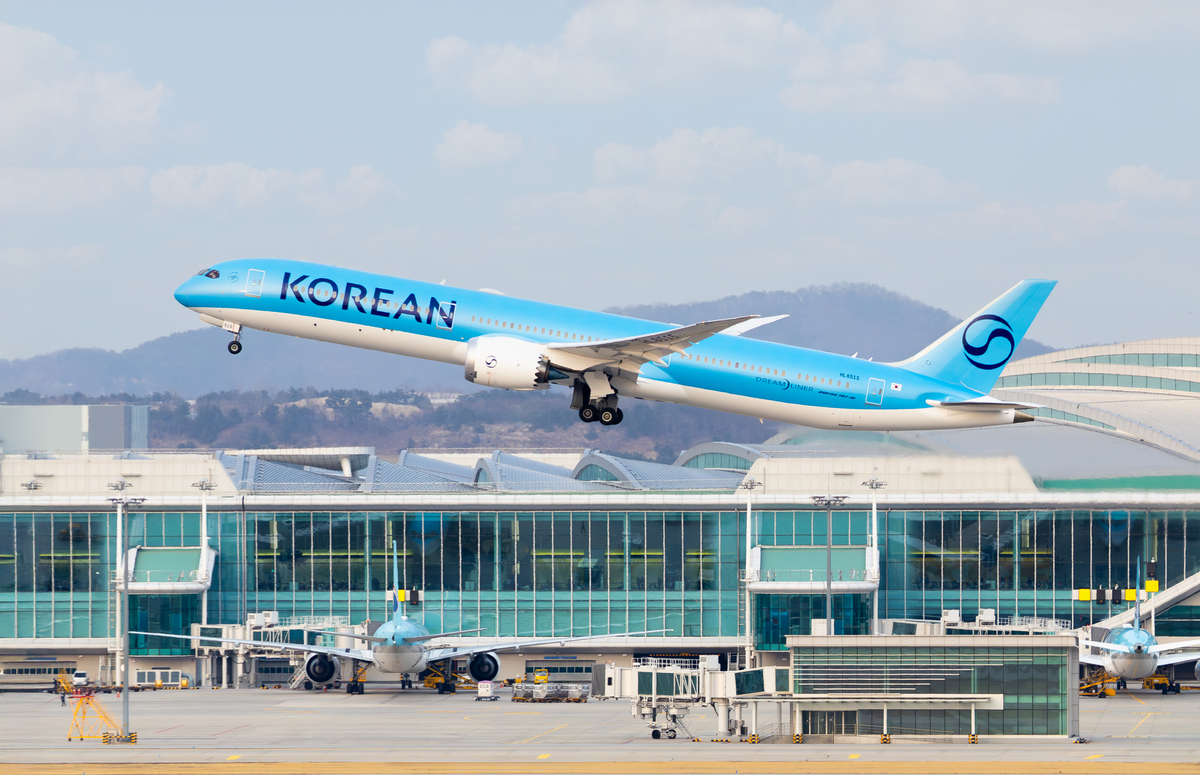
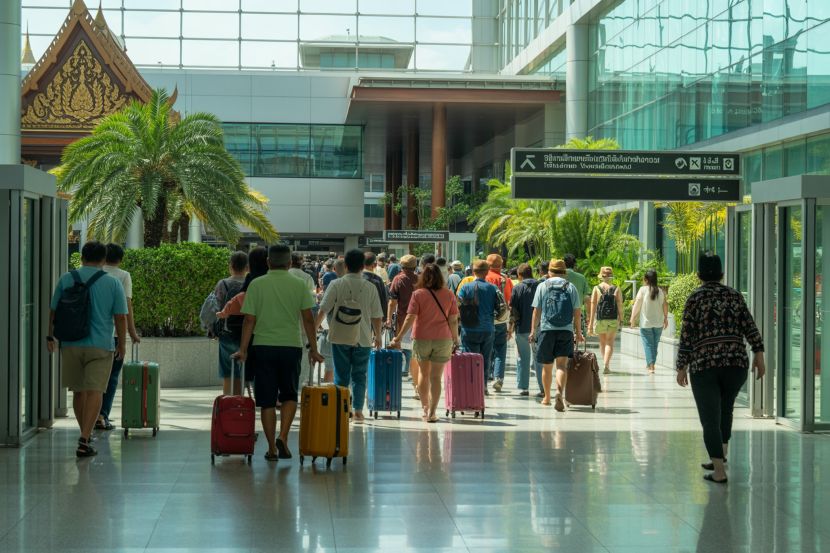
The article reports a significant disruption in the Asian travel sector, with thousands of passengers stranded due to the cancellation of 388 flights and delays affecting over 5,200 others. This disruption impacted major airlines including IndiGo, ANA Wings, Malino Air, Emirates, and others, across cities such as Beijing, Jakarta, Tokyo, Riyadh, and Dubai. The cancellation and delays were caused by an unspecified large-scale event, leading to widespread travel disruptions in the region. The article highlights the challenges faced by airlines and passengers in maintaining travel schedules amidst such disruptions, emphasizing the need for robust contingency planning and communication strategies in the travel industry.
Key Points:
Actionable Takeaways:
Implement Robust Crisis Management Plans: Airlines and travel agencies should develop and regularly update crisis management plans to handle large-scale disruptions effectively. This includes clear communication protocols with passengers and stakeholders to manage expectations and minimize confusion.
Enhance Real-Time Communication Systems: Invest in advanced communication technologies to provide real-time updates to passengers. This can include mobile apps, SMS alerts, and social media updates to keep travelers informed about flight status changes and alternative arrangements.
Focus on Passenger Experience: Prioritize passenger experience by offering flexible rebooking options, compensation for inconveniences, and support services to mitigate the impact of flight disruptions. This can enhance customer loyalty and satisfaction during challenging times.
Contextual Insights:
The article reflects the current challenges faced by the travel industry in managing large-scale disruptions, particularly in regions with high air traffic like Asia. The disruptions underscore the importance of technological advancements in travel tech, such as real-time flight tracking and automated communication systems, which can help airlines and passengers navigate unforeseen challenges more efficiently. Furthermore, the incident highlights the growing reliance on fintech solutions for managing travel-related expenses and compensations, ensuring that airlines can swiftly address financial aspects of disruptions. As the travel industry continues to evolve, integrating these technological and operational innovations will be crucial for maintaining resilience and ensuring a seamless travel experience for passengers.
Read the Complete Article.
Get curated travel AI insights — choose the newsletters that matter to you.
ALTOUR Expands into Thailand, Strengthening Corporate Travel Network Across Southeast Asia BANGKOK, THAILAND (25 March, 2026) – ALTOUR, a leading...
Read moreDetails


Comprehensive Summarization: The article reports a significant disruption in the Asian travel sector, with thousands of passengers stranded due to...
Read moreDetails