Abu Dhabi’s tourism sector experienced a record-breaking year in 2025, welcoming 26.6 million visitors. This surge in international arrivals, led by India, solidifies Abu Dhabi’s position as one of the Middle East’s fastest-growing cultural and leisure destinations. The growth was driven by strong hotel revenues, rising global air connectivity, and expanding cultural infrastructure. These factors collectively underscore Abu Dhabi’s emergence as a key player in the Middle East’s tourism landscape, attracting a diverse range of visitors and reinforcing its status as a cultural and leisure hub.
Key Points:
Abu Dhabi welcomed 26.6 million visitors in 2025, marking a record-breaking performance for the tourism sector.
India led the surge in international arrivals, contributing significantly to the growth of Abu Dhabi’s tourism.
Strong hotel revenues, rising global air connectivity, and expanding cultural infrastructure were the primary drivers of the sector’s growth.
The expansion of cultural infrastructure highlights Abu Dhabi’s commitment to enhancing its appeal as a cultural and leisure destination.
Actionable Takeaways:
Investment in Cultural Infrastructure: Abu Dhabi’s focus on expanding cultural infrastructure presents an opportunity for travel startups and tourism-related businesses to innovate and cater to the growing demand for cultural experiences. This trend underscores the importance of integrating cultural experiences into travel itineraries to attract a broader audience.
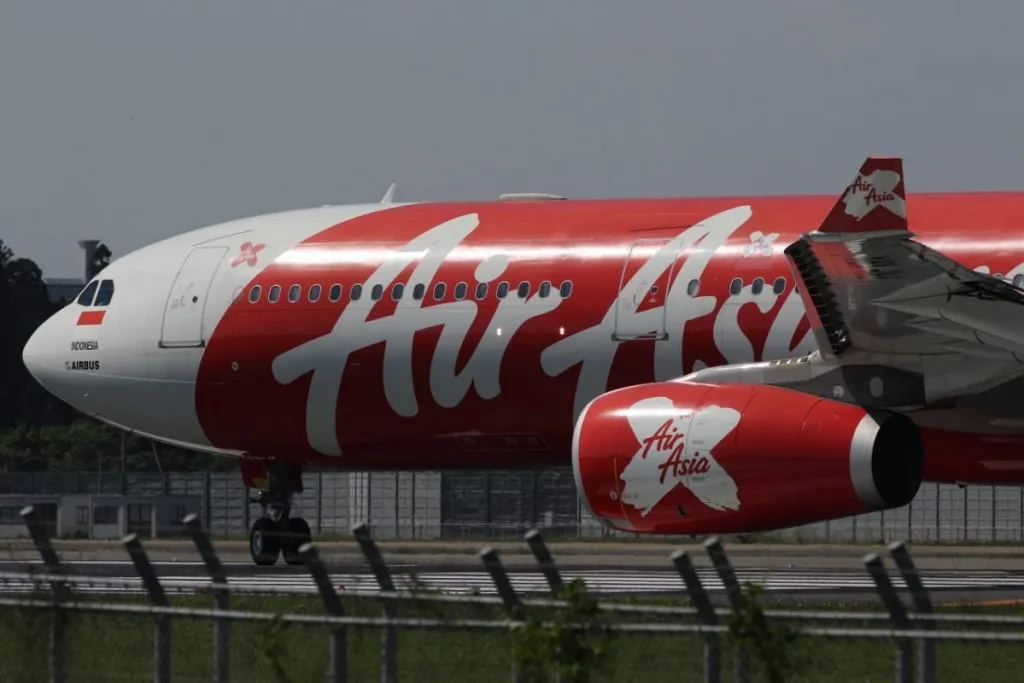
Leveraging Rising Air Connectivity: The increase in global air connectivity has played a crucial role in boosting Abu Dhabi’s tourism. Travel companies and airlines can capitalize on this trend by enhancing their connectivity offerings, potentially leading to increased tourist arrivals and revenue growth in the sector.
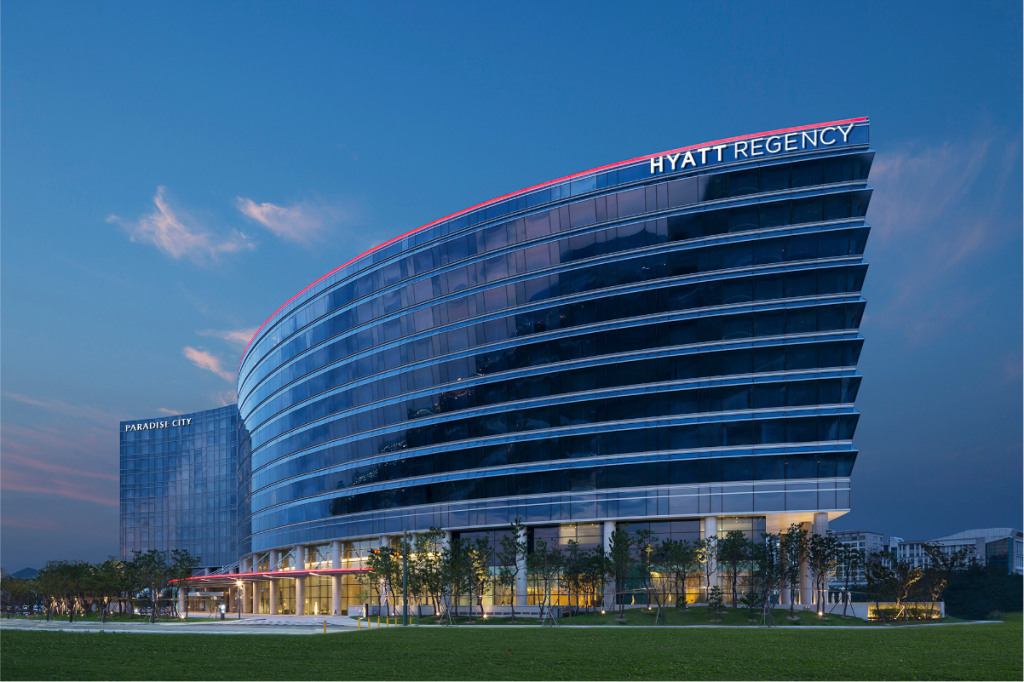
Hotel Revenue Growth: The strong performance of hotel revenues indicates a robust demand for accommodations in Abu Dhabi. This presents an opportunity for hoteliers to innovate and enhance their offerings, such as luxury experiences, wellness retreats, or themed stays, to attract a diverse range of visitors and maximize revenue.
Contextual Insights:
The article reflects the current trends in the Middle East’s tourism sector, where cultural and leisure destinations are gaining prominence. The surge in visitors from India highlights the region’s appeal to diverse markets, suggesting that travel companies should tailor their marketing strategies to target these emerging markets effectively. Furthermore, the emphasis on expanding cultural infrastructure aligns with the broader industry trend of integrating cultural experiences into travel offerings. This trend is likely to continue, with thought leaders predicting a shift towards more immersive and culturally rich travel experiences. The growth in hotel revenues also underscores the importance of sustainable and high-quality hospitality services, as travelers increasingly seek unique and memorable stays. Overall, the article provides valuable insights into the evolving dynamics of Abu Dhabi’s tourism sector and offers actionable recommendations for stakeholders in the travel industry.
Comprehensive Summarization: Abu Dhabi's tourism sector experienced a record-breaking year in 2025, welcoming 26.6 million visitors. This surge in international...