



No products in the cart.
- Latest
- Trending

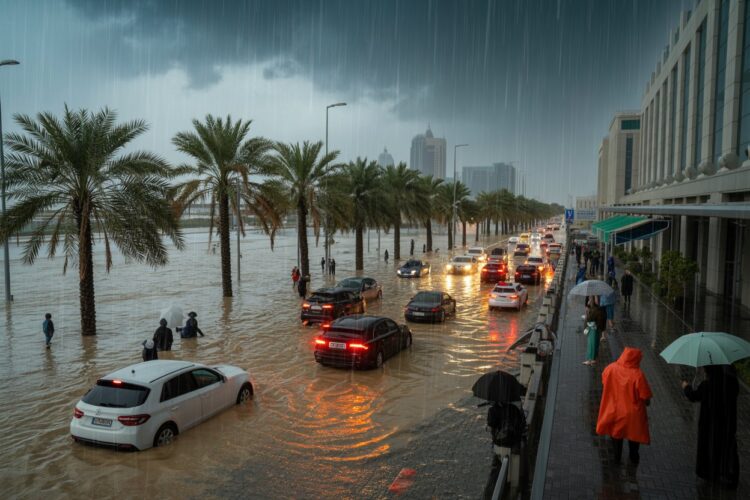
Ajman, UAE Lashed by Rare Mega‑Storm as Year’s Worth of Rain in Hours Floods Roads, Batters Coastlin...
Comprehensive Summarization:
Ajman, UAE experienced a rare mega-storm on March 25, 2026, resulting in unprecedented rainfall and severe flooding. The storm caused significant disruption to travel, with roads inundated, coastlines battered, and tourists, families, and commuters forced to alter their travel plans. The article highlights the city’s transformation into a maze of flooded streets, emphasizing the impact on daily life and travel logistics in the region. The event underscores the vulnerability of coastal areas to extreme weather and the challenges faced by the travel industry in managing such disruptions.
Key Points:
Actionable Takeaways:
Invest in Weather Resilience Infrastructure: Travel companies and local governments should invest in resilient infrastructure to mitigate the impact of extreme weather events. This includes flood defenses, improved drainage systems, and real-time weather monitoring to enable proactive travel advisories.
Enhance Travel Flexibility Policies: Travel companies should develop flexible booking policies that allow customers to easily modify or cancel travel plans in response to severe weather alerts. This can help minimize financial losses and maintain customer satisfaction during unforeseen disruptions.
Leverage Real-Time Data for Travel Planning: Utilize real-time weather data and predictive analytics to provide travelers with accurate and timely information. This can help them make informed decisions about their travel itineraries, reducing the impact of weather-related disruptions on their travel experiences.
Contextual Insights:
The rare mega-storm in Ajman, UAE, underscores the growing vulnerability of coastal regions to extreme weather events, a trend exacerbated by climate change. This incident highlights the need for the travel industry to adapt to increasingly unpredictable weather patterns. The focus on weather resilience infrastructure and flexible travel policies reflects a broader industry trend towards enhancing safety and customer experience in the face of climate-related challenges. As travel startups and fintech innovators continue to develop solutions for real-time data integration and flexible booking systems, the industry is poised to become more resilient against such disruptions. This event serves as a reminder of the importance of proactive planning and technological adaptation in the travel sector to ensure continuity and customer trust amidst evolving global challenges.
Read the Complete Article.
Get curated travel AI insights — choose the newsletters that matter to you.
This spot is reserved for brands with a compelling story for the travel trade. They use this space to cut...
Read moreDetailsALTOUR Expands into Thailand, Strengthening Corporate Travel Network Across Southeast Asia BANGKOK, THAILAND (25 March, 2026) – ALTOUR, a leading...
Read moreDetails


Comprehensive Summarization: Ajman, UAE experienced a rare mega-storm on March 25, 2026, resulting in unprecedented rainfall and severe flooding. The...
Read moreDetails