






No products in the cart.
- Latest
- Trending

British Joins Air France, Delta, KLM, Lufthansa, Singapore, Turkish and More Popular Airlines Extend...
Comprehensive Summarization:
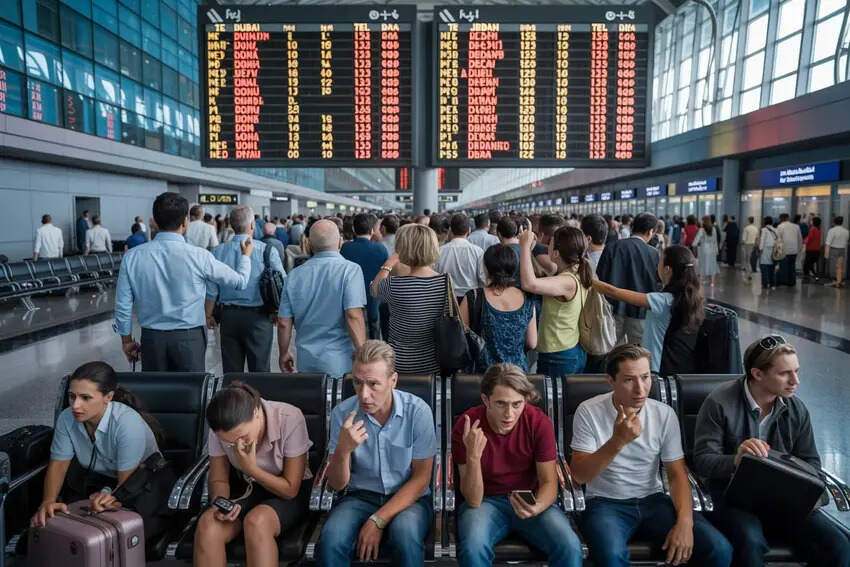
The article reports that British Airways has joined a list of major airlines, including Air France, Delta, KLM, Lufthansa, Singapore Airlines, and Turkish Airlines, in extending flight cancellations to Dubai, Tel Aviv, Jeddah, and Doha due to escalating tensions in the Middle East. This development is part of a broader context of heightened geopolitical instability affecting travel and tourism in the region. The article underscores the challenges faced by the travel industry in maintaining operational continuity amidst geopolitical uncertainties, highlighting the need for flexible travel policies and robust contingency planning.
Key Points:
Actionable Takeaways:
Flexible Travel Policies: Airlines should implement flexible cancellation and rescheduling policies to accommodate travelers affected by geopolitical uncertainties. This approach can help mitigate the financial impact on both airlines and passengers, fostering trust and loyalty during turbulent times.
Enhanced Communication: Airlines must enhance communication with passengers regarding flight status changes. Clear and timely updates can help manage passenger expectations and reduce anxiety, which is crucial in times of heightened geopolitical tensions.
Invest in Travel Insurance: Travel insurance providers should offer enhanced coverage options that include geopolitical risks. This can provide travelers with peace of mind and financial protection in the event of flight cancellations or disruptions due to regional instability.
Contextual Insights:
The article reflects the ongoing challenges faced by the travel industry in the face of geopolitical tensions. The Middle East has historically been a region of geopolitical volatility, and recent escalations have led to widespread flight cancellations, impacting travel and tourism. This situation highlights the importance of adaptability and resilience in the travel sector. Airlines and travel companies must continuously innovate their policies and offerings to address the evolving needs of travelers in uncertain times. Furthermore, the integration of advanced technologies, such as AI-driven predictive analytics, can help airlines anticipate and mitigate the impacts of geopolitical disruptions, ensuring smoother operations and enhanced customer satisfaction. The current context underscores the need for the travel industry to remain agile and responsive to geopolitical developments, leveraging technology and strategic planning to navigate challenges effectively.
Read the Complete Article.
Get curated travel AI insights — choose the newsletters that matter to you.
This spot is reserved for brands with a compelling story for the travel trade. They use this space to cut...
Read moreDetailsALTOUR Expands into Thailand, Strengthening Corporate Travel Network Across Southeast Asia BANGKOK, THAILAND (25 March, 2026) – ALTOUR, a leading...
Read moreDetails


Comprehensive Summarization: The article reports that British Airways has joined a list of major airlines, including Air France, Delta, KLM,...
Read moreDetails