





No products in the cart.
- Latest
- Trending


Comprehensive Summarization:
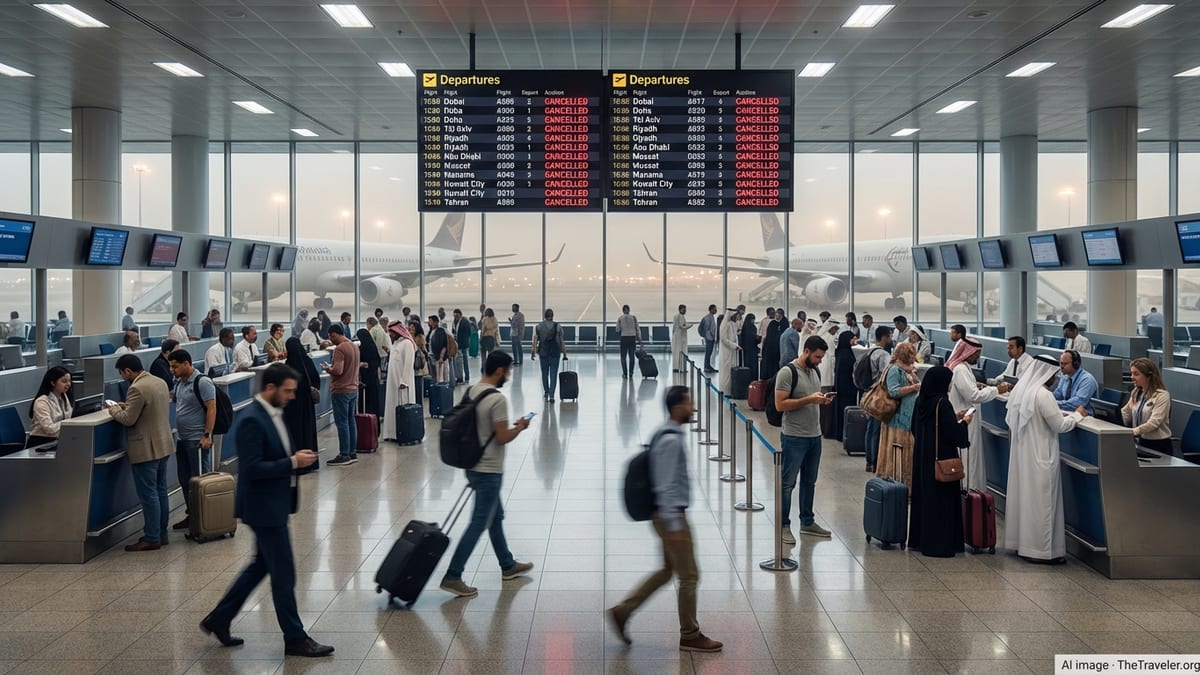
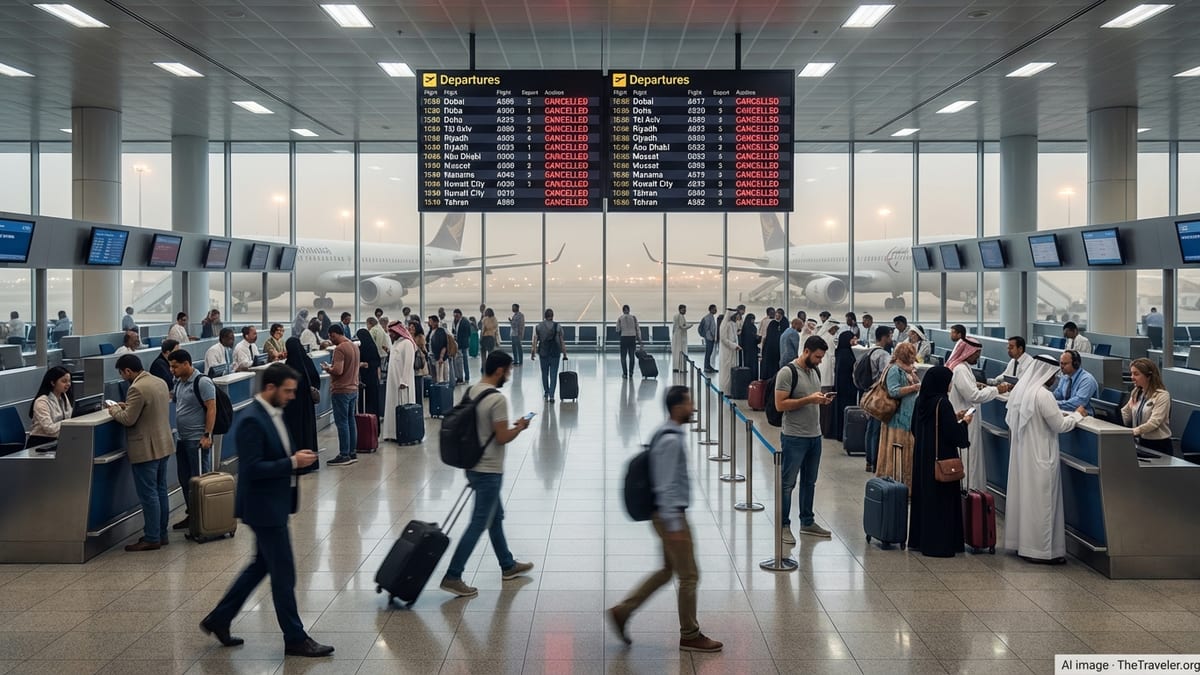
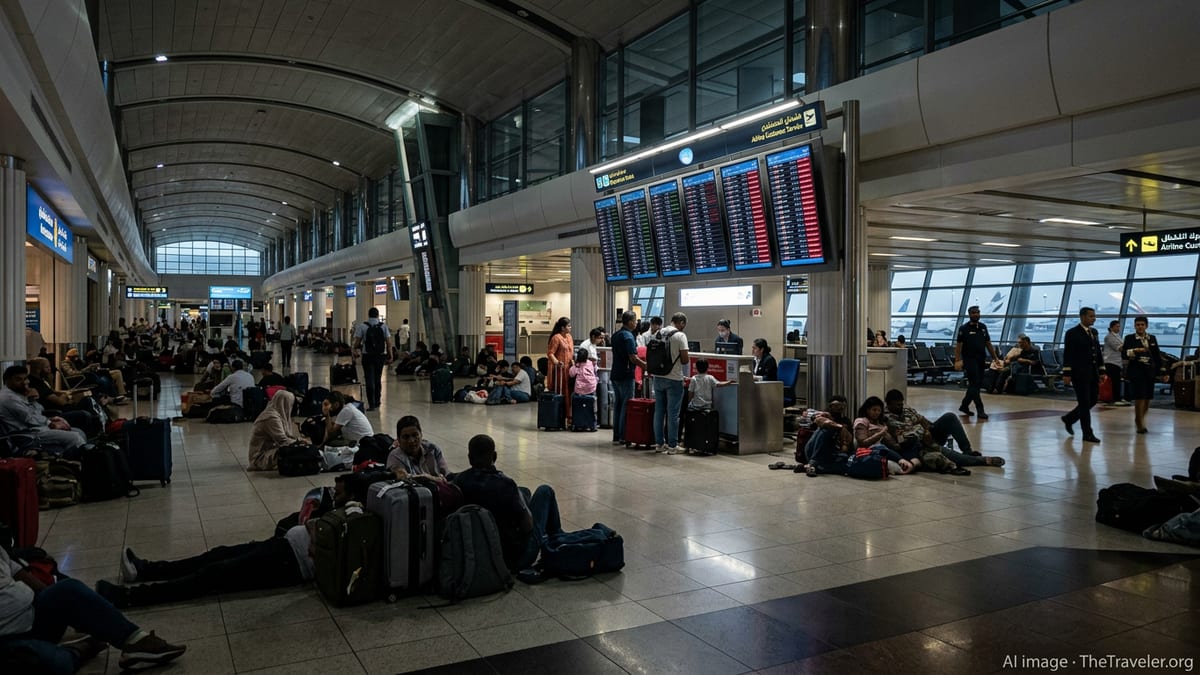
The article reports on significant disruptions at Dubai International Airport in the UAE, where 90 flights were delayed and 6 were canceled. This disruption affected major airlines including Emirates, Air India, and Lufthansa, impacting routes to key destinations such as London, Frankfurt, New York, Mumbai, and Sydney. The incident highlights the vulnerabilities in the travel sector, particularly in managing large-scale operational disruptions. The article also touches on broader travel and tourism trends, emphasizing the need for robust contingency planning and the impact of such disruptions on both airlines and passengers.
Key Points:
Actionable Takeaways:
Enhanced Operational Resilience: Airlines and airports should invest in advanced operational planning and real-time monitoring systems to mitigate the impact of flight disruptions. This includes predictive analytics for weather and other potential disruptions, ensuring smoother operations and reduced passenger inconvenience.
Communication Strategies: Airlines should improve communication strategies to promptly inform passengers of delays or cancellations. Clear and timely updates can help manage passenger expectations and reduce stress during travel disruptions.
Focus on Passenger Experience: The incident highlights the importance of prioritizing passenger experience during disruptions. Airlines should offer enhanced support services, such as rebooking options, compensation, and assistance with ground transportation, to mitigate the negative impact on passenger satisfaction.
Contextual Insights:
The disruptions at Dubai International Airport reflect broader challenges faced by the global travel industry, particularly in managing large-scale operational issues. The incident underscores the importance of technological advancements in travel tech, such as real-time tracking systems and predictive analytics, which can help airlines and airports anticipate and respond to disruptions more effectively. Furthermore, the article aligns with current industry trends emphasizing the need for robust contingency planning and improved passenger communication strategies. As the travel sector continues to evolve, integrating these insights can help stakeholders navigate future challenges and enhance overall resilience in the face of operational disruptions.
Read the Complete Article.
Get curated travel AI insights — choose the newsletters that matter to you.
ALTOUR Expands into Thailand, Strengthening Corporate Travel Network Across Southeast Asia BANGKOK, THAILAND (25 March, 2026) – ALTOUR, a leading...
Read moreDetails

Comprehensive Summarization: The article from Global Affairs Canada updates its travel advisory, advising Canadian citizens to avoid non-essential travel to...
Read moreDetails