



No products in the cart.
- Latest
- Trending

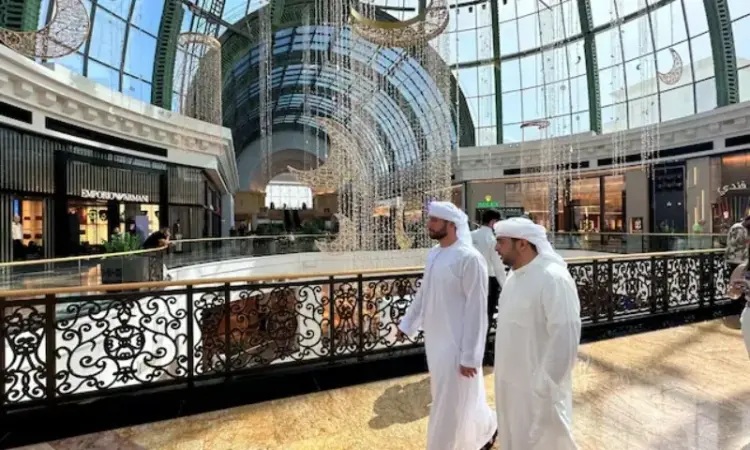
Dubai luxury stores hit by Iran war slowdown - Pakistan Today
Comprehensive Summarization:
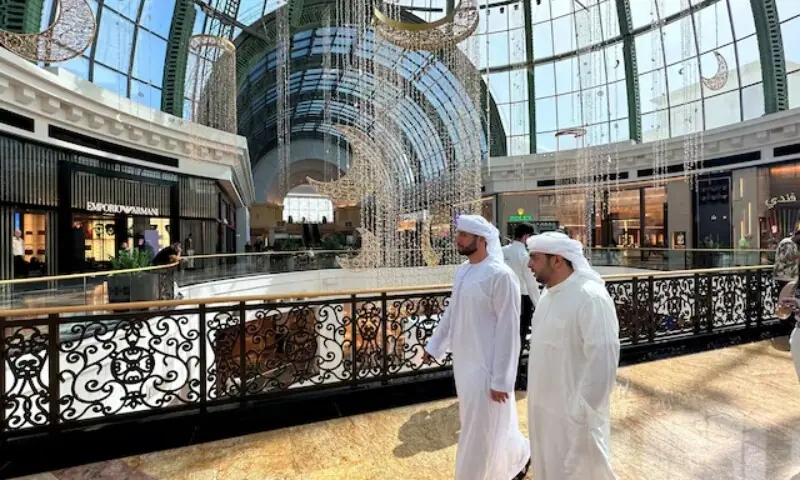
Dubai’s luxury retail sector is experiencing a decline in customer traffic due to the ongoing conflict involving Iran, which is disrupting tourism and travel across the Middle East. Analysts predict a sharp decline in Middle East luxury sales in March, with Dubai being one of the hardest-hit regions. High-end retailers in Dubai are seeing fewer customers, with sales staff at upscale malls spending long periods waiting for patrons. This situation highlights the vulnerability of luxury retail to geopolitical tensions and their broader impact on regional travel.
Key Points:
Actionable Takeaways:
Diversification of Revenue Streams: Luxury retailers in Dubai should explore diversifying their revenue streams beyond traditional sales. This could include offering exclusive online shopping experiences, virtual showrooms, or partnerships with travel agencies to offer luxury travel packages. This strategy could mitigate the impact of tourism disruptions and maintain revenue stability.
Investment in Digital Transformation: The article highlights the need for luxury retailers to adapt to changing consumer behaviors, especially in the wake of travel disruptions. Investing in digital transformation, such as enhancing online shopping experiences, implementing AI-driven personalized recommendations, and leveraging data analytics for better customer insights, can help retailers stay relevant and competitive in a post-pandemic, geopolitically sensitive market.
Strengthening Regional Partnerships: Given the regional impact of geopolitical tensions, luxury retailers in Dubai should consider strengthening partnerships with regional travel agencies, hospitality providers, and local influencers. These collaborations can help drive indirect tourism and retail sales by promoting Dubai as a luxury destination despite the challenges. Such partnerships can also provide valuable insights into regional travel trends and consumer preferences.
Contextual Insights:
The decline in luxury retail sales in Dubai is a direct consequence of the ongoing conflict involving Iran, which has led to a decrease in tourism and travel across the region. This situation is emblematic of the broader challenges faced by luxury retailers in regions affected by geopolitical instability. The article underscores the importance of adaptability and innovation in the face of such disruptions. As the travel industry continues to evolve, with a growing emphasis on digital experiences and personalized services, luxury retailers must leverage technology and strategic partnerships to navigate these challenges. The insights from thought leaders suggest that the future of luxury retail will increasingly hinge on the ability to offer seamless, tech-driven experiences that cater to the evolving expectations of affluent travelers. By focusing on these areas, luxury retailers can not only weather the current storm but also position themselves for sustained growth in a post-pandemic world.
Read the Complete Article.
Get curated travel AI insights — choose the newsletters that matter to you.
ALTOUR Expands into Thailand, Strengthening Corporate Travel Network Across Southeast Asia BANGKOK, THAILAND (25 March, 2026) – ALTOUR, a leading...
Read moreDetails


Comprehensive Summarization: The article reports that Tourism Malaysia has re-engaged with Pakistan’s travel industry by participating in the Pakistan Travel...
Read moreDetails