



No products in the cart.
- Latest
- Trending


Comprehensive Summarization:
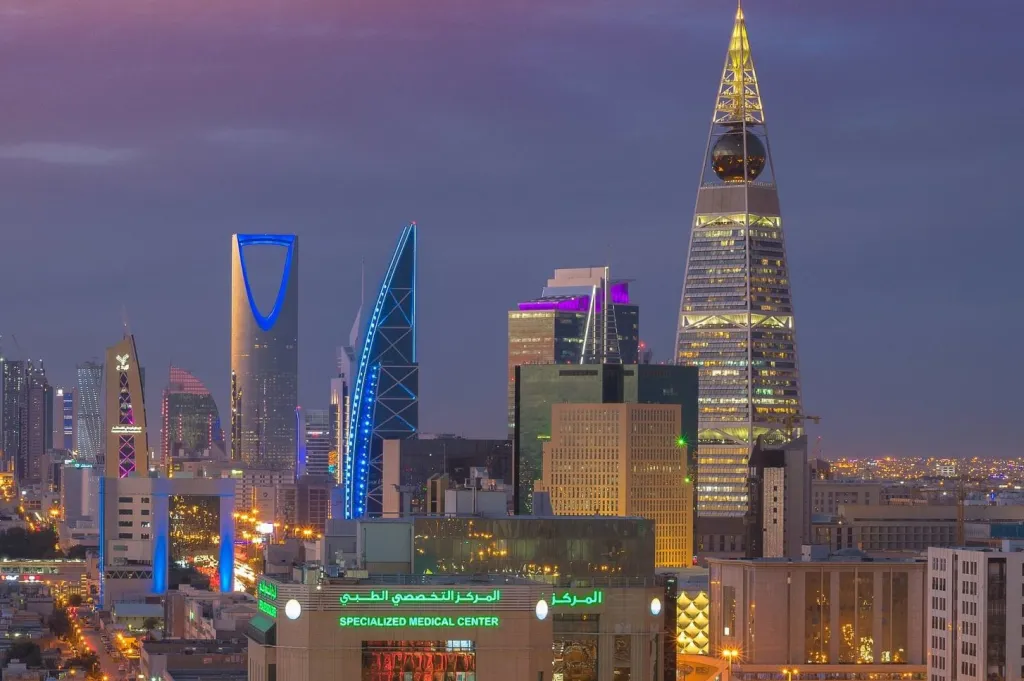
The article discusses the significant impact of the recent conflict between the US and Israel on Iran, and its subsequent effect on the tourism industry, particularly in Dubai. As of February 28, 2024, around 1.3 million British tourists had visited Dubai, making it the most popular destination in the Middle East for UK holidaymakers. However, the conflict led to a rapid collapse of the tourism industry within hours of the first US-Israeli attack on Iran. The article highlights the immediate and severe repercussions of geopolitical events on the travel sector, emphasizing the vulnerability of tourism to global political tensions.
Key Points:
Actionable Takeaways:
Contextual Insights:
The article underscores the vulnerability of the travel industry to geopolitical events, a critical consideration for stakeholders in the sector. Recent trends indicate an increased awareness among travel companies about the need for robust risk management strategies. The collapse of Dubai’s tourism industry within hours of the conflict highlights the sector’s dependency on global political stability. Forward-looking insights suggest that the industry must increasingly focus on technological innovations for real-time risk assessment and adaptive business models. This includes leveraging data analytics for predictive analytics, enhancing cybersecurity to protect against digital threats, and utilizing blockchain for secure transactions and transparent operations. These measures not only safeguard the industry against immediate crises but also position it for long-term resilience and growth in an increasingly uncertain global landscape.
Read the Complete Article.
Get curated travel AI insights — choose the newsletters that matter to you.
This spot is reserved for brands with a compelling story for the travel trade. They use this space to cut...
Read moreDetailsALTOUR Expands into Thailand, Strengthening Corporate Travel Network Across Southeast Asia BANGKOK, THAILAND (25 March, 2026) – ALTOUR, a leading...
Read moreDetails

Comprehensive Summarization: Nick Fry, the chairman of Motion Applied, attempted to modify two upcoming trips in March. The first change...
Read moreDetails