







No products in the cart.
- Latest
- Trending


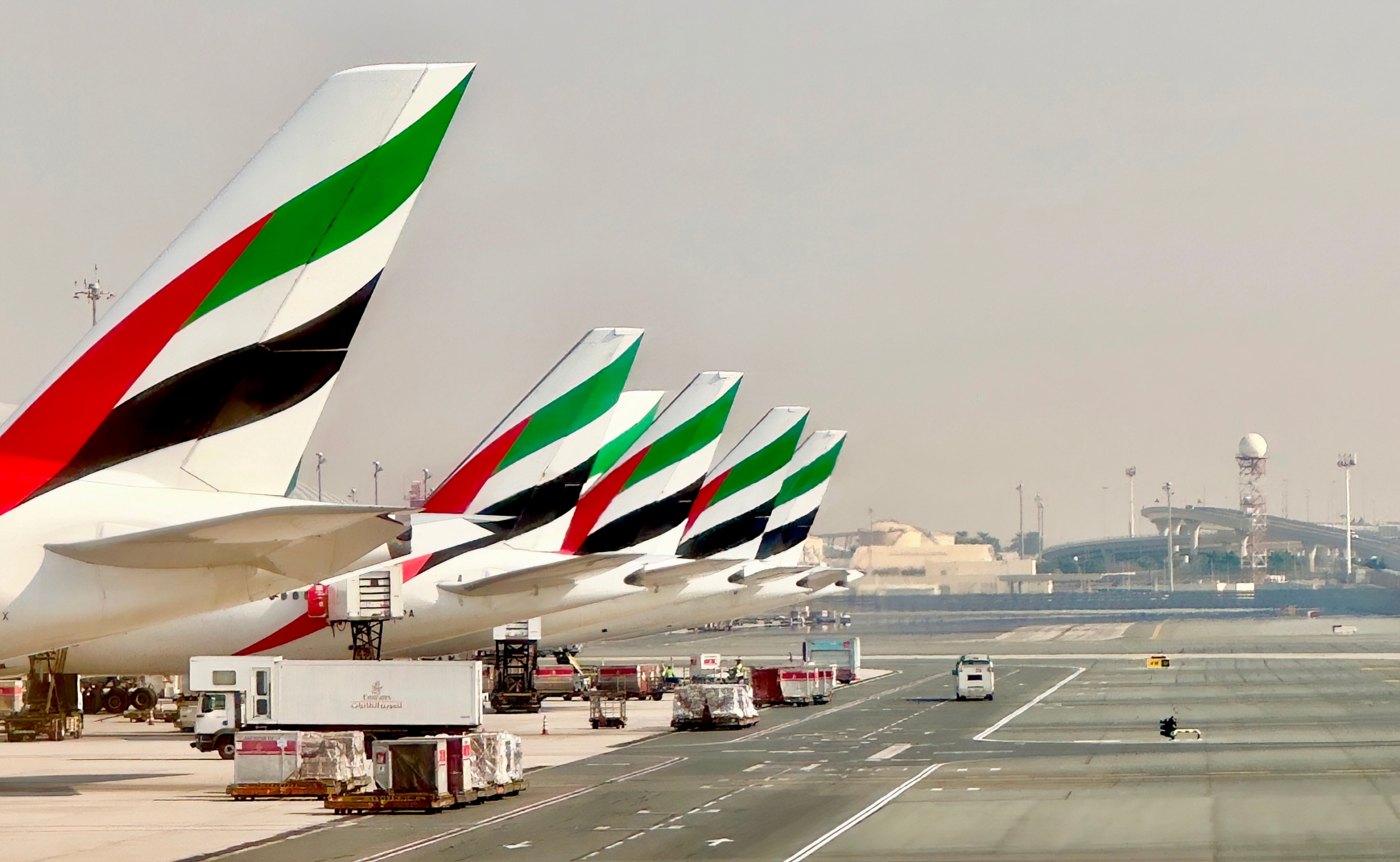
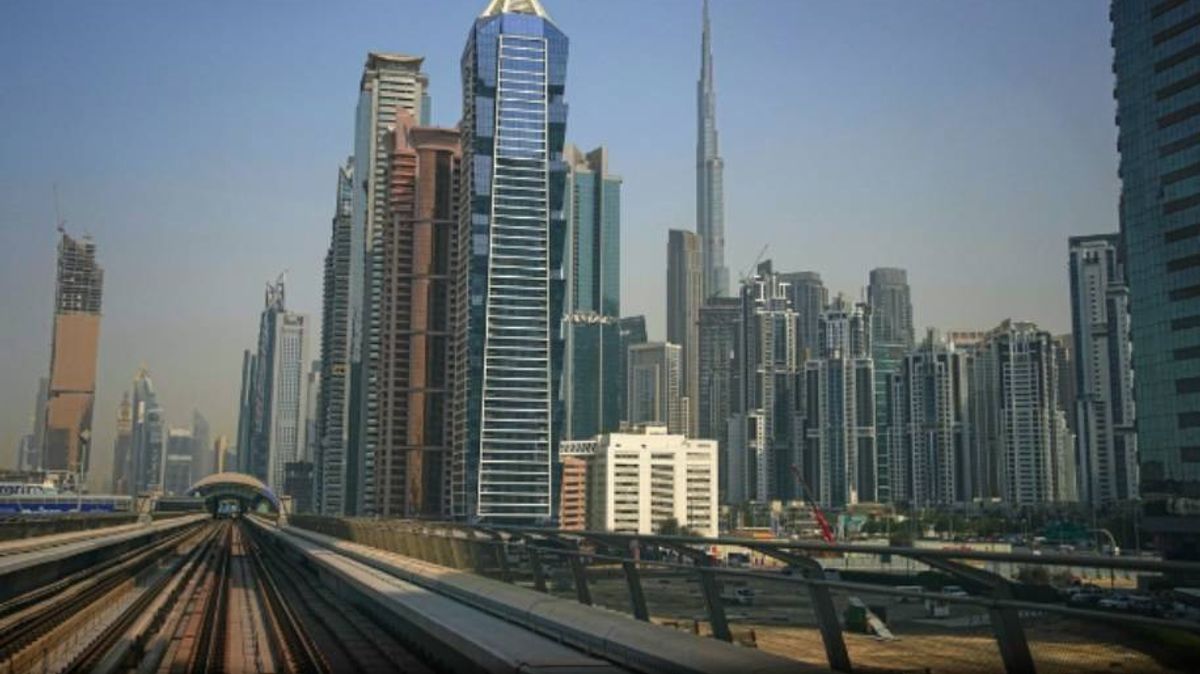
Panic in Dubai as city 'abandoned' by tourists - beaches left empty | World | News
Comprehensive Summarization:
Dubai’s hospitality industry is experiencing significant challenges due to the ongoing conflict in the Middle East. The war, which began on February 28, has led to the closure of airspace and cancellation of holidays, resulting in a sharp decline in occupancy levels for hotels. Currently, occupancy rates across Dubai hotels have fallen to 15-20% of the normal levels for this time of year. This situation has forced many staff members to take pay cuts and go on unpaid leave, severely impacting the local businesses that rely on tourism. The chief business officer of Wego, Natasha Sideris, highlighted these issues, emphasizing the severe financial strain on the hospitality sector in Dubai.
Key Points:
Actionable Takeaways:
Implement Flexible Staffing Strategies: Hotels should consider flexible staffing models, such as hiring temporary workers or adjusting schedules, to manage the impact of reduced occupancy and staff shortages. This approach can help maintain operational efficiency while minimizing financial losses.
Diversify Revenue Streams: To offset the decline in hotel occupancy, businesses should explore diversifying revenue streams. This could include offering additional services such as event planning, corporate meetings, or luxury experiences that are less dependent on traditional tourism.
Enhance Digital Marketing Efforts: With travel restrictions and reduced foot traffic, hotels must leverage digital marketing strategies to reach potential guests. Utilizing targeted online advertising, social media campaigns, and partnerships with travel influencers can help attract bookings and maintain revenue.
Contextual Insights:
The current conflict in the Middle East has had a profound impact on Dubai’s hospitality industry, reflecting broader vulnerabilities in the global travel sector. The decline in occupancy rates and financial strain on businesses underscore the importance of adaptability and resilience in the face of geopolitical instability. As the travel industry continues to evolve, innovations in digital marketing and flexible staffing models are becoming increasingly crucial. These strategies not only help mitigate the immediate effects of disruptions but also position businesses to capitalize on emerging opportunities in the post-pandemic travel landscape. Thought leaders emphasize the need for startups and fintech solutions to support the industry’s recovery, offering tools for enhanced financial management and customer engagement.
Read the Complete Article.
Get curated travel AI insights — choose the newsletters that matter to you.
ALTOUR Expands into Thailand, Strengthening Corporate Travel Network Across Southeast Asia BANGKOK, THAILAND (25 March, 2026) – ALTOUR, a leading...
Read moreDetails


Comprehensive Summarization: Dubai's hospitality industry is experiencing significant challenges due to the ongoing conflict in the Middle East. The war,...
Read moreDetails