







No products in the cart.
- Latest
- Trending

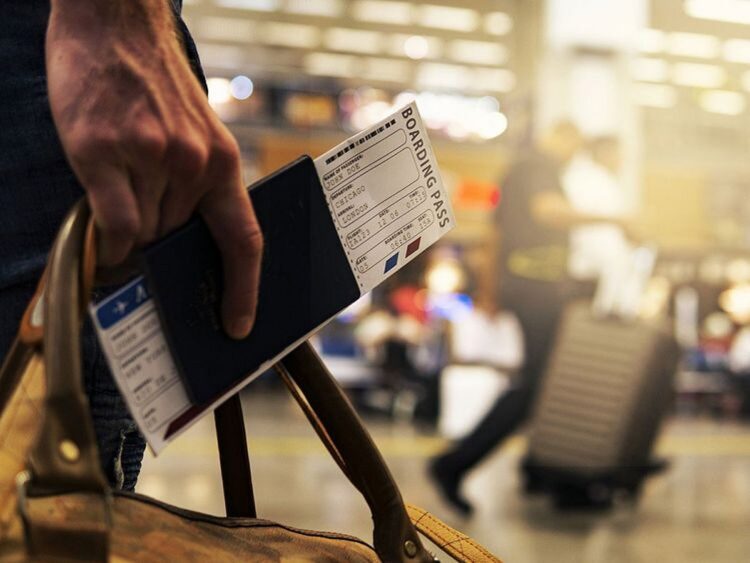
Rising jet fuel prices amid ongoing airspace disruptions continue to push airfares higher and reshape global travel patterns.
Comprehensive Summarization:
The article discusses the impact of capacity cuts on the travel industry, specifically focusing on airlines reducing their flight plans to manage rising costs. United Airlines has cut planned flights by 5%, Scandinavian Airlines is canceling at least 1,000 flights this month, and Air New Zealand has trimmed capacity by around 5%, canceling over 1,100 services. These reductions are tightening the supply of available seats globally, leading to upward pressure on fares. The article also touches on broader travel trends and insights from thought leaders, highlighting the need for airlines to adjust their networks and schedules in response to these changes.
Key Points:
Actionable Takeaways:
Adjust Pricing Strategies: Airlines should consider dynamic pricing strategies to adapt to the increased demand for seats and higher fares. This approach can help maximize revenue despite the reduced capacity.
Optimize Network Efficiency: Airlines should review and optimize their network efficiency to ensure that the reduced capacity is utilized effectively. This could involve focusing on high-demand routes and adjusting schedules to better match passenger demand.
Invest in Technology: To manage the increased operational costs and competitive pressures, airlines should invest in advanced travel tech solutions. This could include AI-driven scheduling, predictive analytics for demand forecasting, and customer relationship management systems to enhance customer experience and loyalty.
Contextual Insights:
The article reflects the current challenges faced by the travel industry due to rising operational costs and the need for airlines to adapt their strategies to maintain profitability. The trend of capacity cuts and fare increases is indicative of a broader shift in the industry towards more cost-conscious operations. This context is crucial for understanding the urgency for airlines to innovate and adapt. Furthermore, the emphasis on technological advancements and efficient network management highlights the importance of leveraging travel tech to stay competitive. As the industry continues to evolve, thought leaders suggest that startups and fintech innovations will play a significant role in shaping future travel solutions, offering new ways to optimize operations and enhance customer experiences.
Read the Complete Article.
Get curated travel AI insights — choose the newsletters that matter to you.
ALTOUR Expands into Thailand, Strengthening Corporate Travel Network Across Southeast Asia BANGKOK, THAILAND (25 March, 2026) – ALTOUR, a leading...
Read moreDetails


Comprehensive Summarization: The article discusses the impact of capacity cuts on the travel industry, specifically focusing on airlines reducing their...
Read moreDetails