
























Travel Capitalist Ventures Expands Check Size to $10 Million to Deepen Emerging Market Conviction
Boutique Travel VC raises investment cap from $1.5M to $10M to lead rounds and support portfolio companies through growth Travel...
Read moreDetails

Comprehensive Summarization:
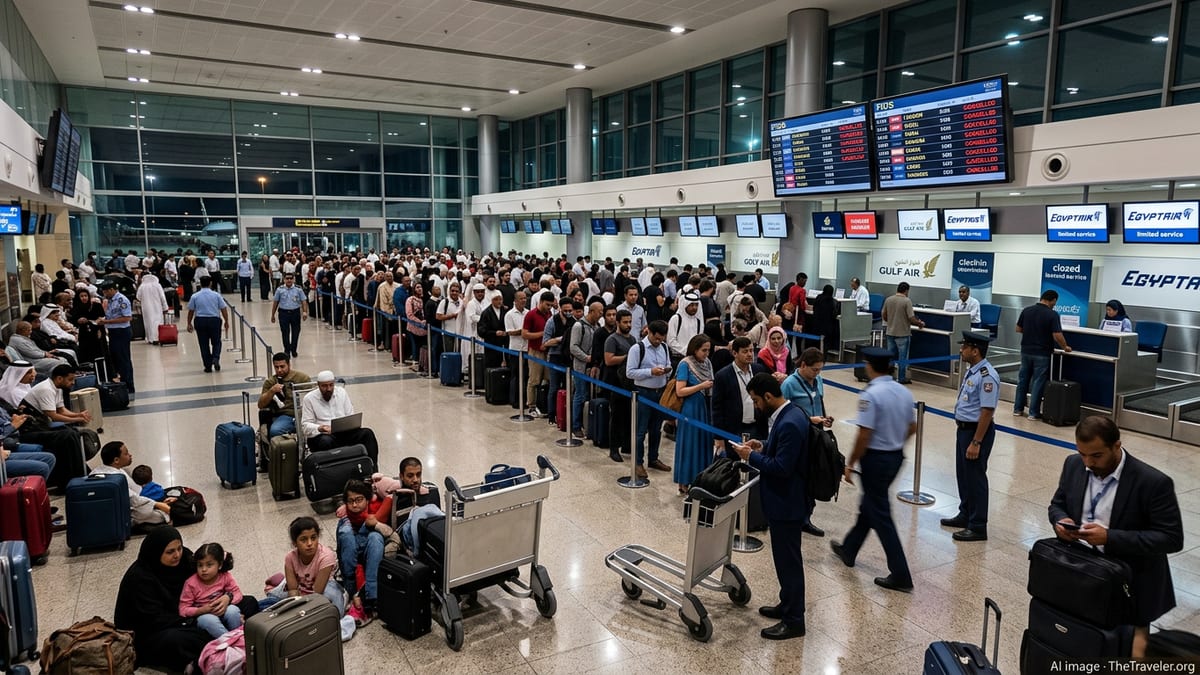
The article reports on significant disruptions in the Middle East travel sector, with Bahrain, Saudi Arabia, Oman, and the UAE canceling 15 flights, resulting in 195 delays. This disruption affects major airlines such as Gulf Air, Saudia, Emirates, and IndiGo, impacting operations in Dubai, Jeddah, Riyadh, and Amsterdam. The article underscores the impact on travel and tour operations, highlighting the challenges faced by airlines and the broader travel industry in maintaining service continuity amidst such disruptions.
Key Points:
Actionable Takeaways:
Implement Flexible Cancellation Policies: Airlines should consider adopting more flexible cancellation policies to mitigate the impact of unexpected disruptions. This can help retain customer trust and reduce financial losses due to cancellations.
Enhance Real-Time Communication: Airlines and travel agencies should improve real-time communication with passengers regarding flight status updates. This proactive approach can help manage passenger expectations and reduce frustration during disruptions.
Invest in Resilient IT Systems: The article highlights the importance of robust IT systems in managing disruptions. Investing in advanced, resilient IT infrastructure can help airlines quickly adapt to changes and minimize delays.
Contextual Insights:
The disruptions in the Middle East travel sector reflect broader trends in the industry, such as the increasing reliance on technology for operational efficiency and passenger communication. The article aligns with current industry insights that emphasize the need for agility and adaptability in travel operations. As the travel sector continues to evolve, innovations in travel tech and fintech are likely to play a crucial role in enhancing resilience and improving customer experiences. The ability to quickly adapt to disruptions, as seen in the current situation, will be a key differentiator for airlines and travel companies in maintaining market competitiveness.
Read the Complete Article.
Boutique Travel VC raises investment cap from $1.5M to $10M to lead rounds and support portfolio companies through growth Travel...
Read moreDetails



