


















Travel Capitalist Ventures Expands Check Size to $10 Million to Deepen Emerging Market Conviction
Boutique Travel VC raises investment cap from $1.5M to $10M to lead rounds and support portfolio companies through growth Travel...
Read moreDetails
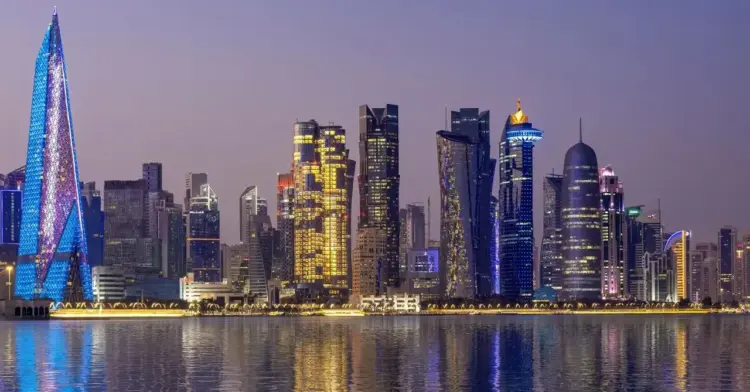
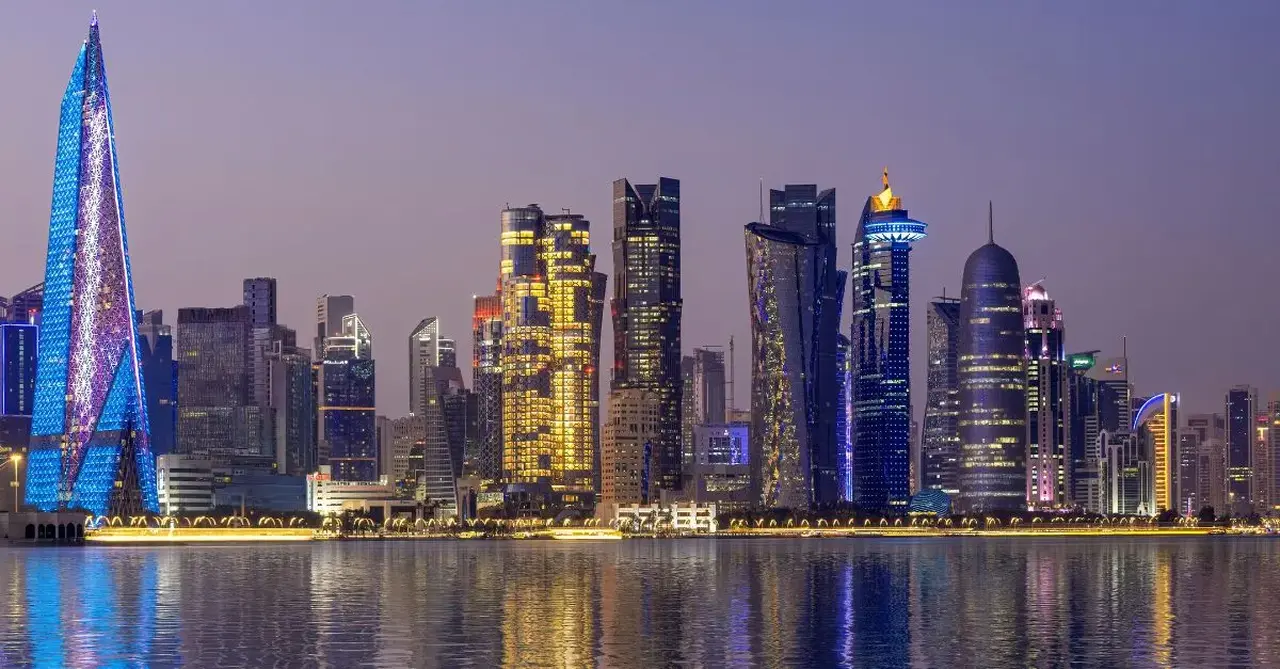
Qatar joins UAE in funding extended stays for hotel guests
Comprehensive Summarization:
Qatar Tourism has announced that it will cover the costs of extended hotel stays and meals for passengers stranded in the country due to the closure of regional airspace following US-Israeli attacks on Iran on February 28, 2024. This move comes as the Gulf state continues to accommodate around 8,000 passengers in transit. In response to this situation, Qatar Tourism issued a circular to hotel managers on March 2, requesting them to extend stays for affected guests. The article also touches on broader travel industry trends and insights from thought leaders, highlighting the importance of adaptability and support in challenging times.
Key Points:
Actionable Takeaways:
Enhanced Support for Stranded Travelers: Qatar Tourism’s initiative to cover extended stays and meals demonstrates a proactive approach to supporting stranded travelers during crises. This could set a precedent for other travel hubs to follow, potentially improving customer satisfaction and loyalty in times of crisis.
Importance of Flexibility in Hotel Policies: The request for hotels to extend guest stays highlights the need for flexible policies in the hospitality industry. Such flexibility can be crucial in managing unexpected disruptions, ensuring guest comfort, and maintaining operational continuity.
Broader Industry Implications: The situation underscores the interconnectedness of global travel networks and the need for coordinated responses from tourism boards and hospitality stakeholders. It also emphasizes the importance of real-time communication and support mechanisms to manage crises effectively.
Contextual Insights:
The article’s context is deeply rooted in the current geopolitical tensions and their direct impact on the travel industry. The closure of regional airspace and the subsequent increase in stranded passengers highlight the vulnerability of the travel sector to external shocks. This scenario is reflective of broader industry trends where adaptability and rapid response mechanisms are becoming increasingly critical. Thought leaders in the travel sector have been advocating for more resilient supply chains, flexible policies, and enhanced support systems for travelers during disruptions. Qatar Tourism’s proactive measures align with these trends, showcasing a forward-thinking approach to crisis management. Furthermore, the article’s mention of broader travel industry trends and insights from thought leaders suggests a growing emphasis on technological solutions and innovative strategies to mitigate the impact of such disruptions. This forward-looking perspective is crucial for the industry to navigate future uncertainties and maintain its competitive edge.
Read the Complete Article.
Boutique Travel VC raises investment cap from $1.5M to $10M to lead rounds and support portfolio companies through growth Travel...
Read moreDetails



Comprehensive Summarization: Qatar Tourism has announced that it will cover the costs of extended hotel stays and meals for passengers...
Read moreDetails
