


No products in the cart.
- Latest
- Trending

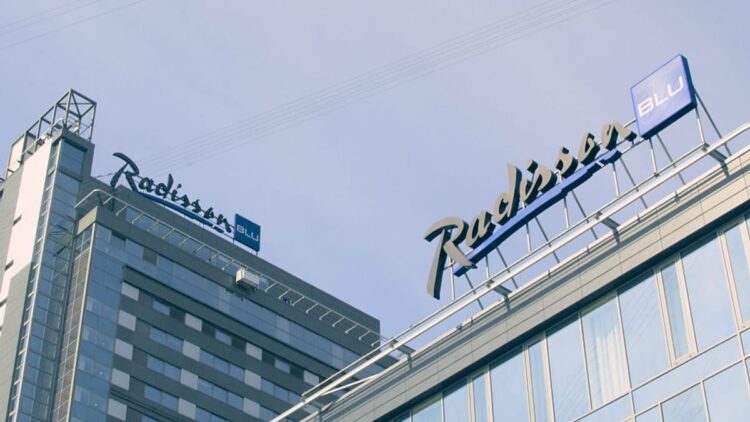
Saudi Hotels Hold Steady as UAE Hospitality Faces New Pressures
Comprehensive Summarization:
The article discusses contrasting trends in the Middle East’s tourism sector, highlighting Saudi Arabia’s hotel sector showing surprising resilience while the United Arab Emirates (UAE) faces softer booking curves, rapid new supply, and rising regional uncertainty. Saudi hospitality benefits from structural reform and domestic demand, indicating a robust recovery and growth trajectory in the Saudi market. In contrast, the UAE is grappling with increased competition and external uncertainties, which are impacting its tourism industry. The article underscores the importance of structural reforms, domestic demand, and the challenges posed by new supply and regional instability in shaping the future of tourism in the Gulf region.
Key Points:
Actionable Takeaways:
Contextual Insights:
The contrasting trends in Saudi Arabia’s and UAE’s tourism sectors reflect broader challenges and opportunities in the Middle East’s travel industry. Saudi Arabia’s resilience can be attributed to strategic investments in structural reforms and a focus on domestic demand, showcasing the importance of government-led initiatives in driving tourism growth. On the other hand, the UAE’s struggles underscore the vulnerabilities associated with rapid expansion and external factors such as regional instability. This situation highlights the need for adaptive strategies in tourism management, emphasizing the role of technology, innovation, and market diversification in navigating uncertainties. As the travel industry continues to evolve, staying informed about these dynamics is crucial for making informed decisions and leveraging opportunities for growth and sustainability.
Read the Complete Article.
Get curated travel AI insights — choose the newsletters that matter to you.
ALTOUR Expands into Thailand, Strengthening Corporate Travel Network Across Southeast Asia BANGKOK, THAILAND (25 March, 2026) – ALTOUR, a leading...
Read moreDetails


Comprehensive Summarization: The article discusses contrasting trends in the Middle East's tourism sector, highlighting Saudi Arabia's hotel sector showing surprising...
Read moreDetails