








No products in the cart.
- Latest
- Trending

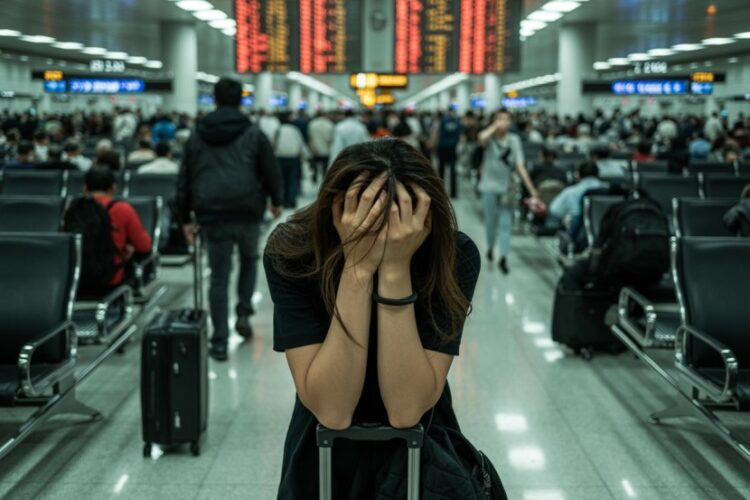
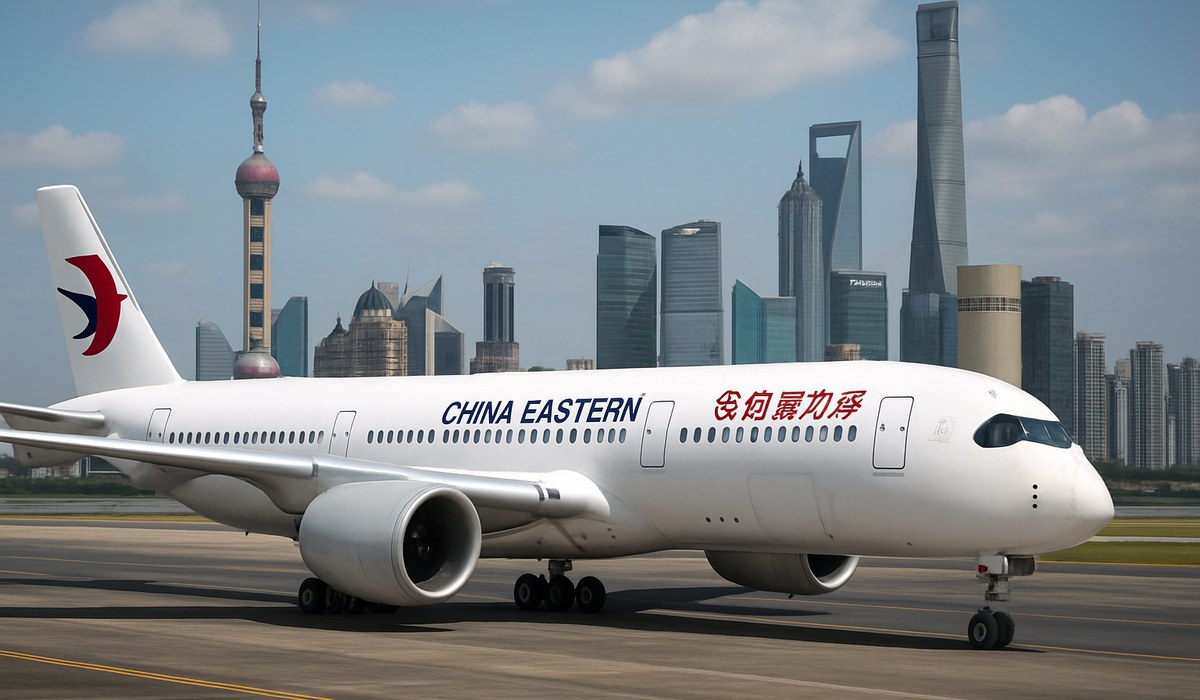
Thousands Of Passengers Suffer In Asia As Thailand, Singapore, Japan, UAE, Malaysia, China, South Ko...
Comprehensive Summarization:
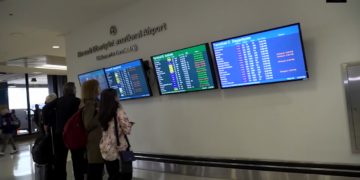
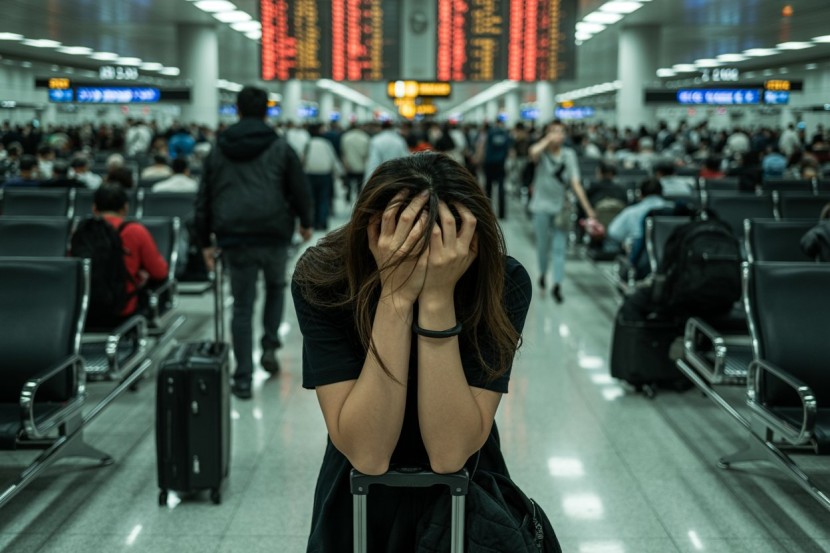
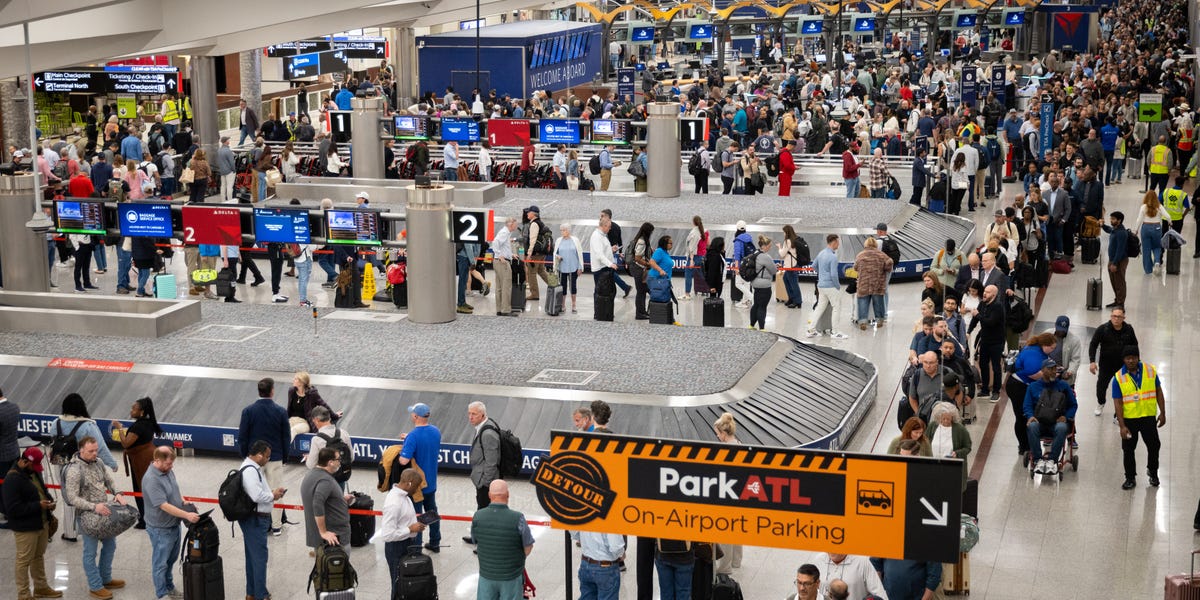
The article reports on widespread flight disruptions affecting thousands of passengers across several Asian countries, including Thailand, Singapore, Japan, Malaysia, UAE, China, South Korea, and Indonesia. The disruptions led to 1,892 flight delays and 88 cancellations, impacting major airlines such as Emirates, Japan Airlines, AirAsia, and Malindo Air. The disruptions occurred on March 27, 2026, causing significant inconvenience for travelers in Bangkok, Dubai, Incheon, and other affected locations. The article highlights the impact on major airlines and the broader travel industry, emphasizing the challenges faced by passengers and the operational difficulties faced by airlines in managing such widespread disruptions.
Key Points:
Actionable Takeaways:
Enhanced Communication Protocols: Airlines should implement more robust communication protocols to keep passengers informed about delays and cancellations in real-time. This can help manage passenger expectations and reduce frustration during disruptions.
Increased Flexibility in Ticket Policies: Travelers should be encouraged to opt for more flexible ticket policies that allow for changes or refunds in case of flight disruptions. This can mitigate the financial impact on passengers and improve their overall travel experience.
Investment in Technology for Resilience: Airlines and airports should invest in advanced technology and systems to better predict and manage disruptions. This includes real-time flight tracking, predictive analytics for weather and operational issues, and improved coordination between airlines and airports.
Contextual Insights:
The article reflects the ongoing challenges faced by the travel industry in managing disruptions caused by various factors, including weather, operational issues, and geopolitical events. The widespread nature of the disruptions across multiple countries underscores the interconnectedness of the global travel network and the need for coordinated responses. Recent trends indicate a growing reliance on technology to enhance operational resilience and improve passenger experience during disruptions. Thought leaders in the travel industry emphasize the importance of innovation in travel tech to build more resilient systems that can quickly adapt to unforeseen challenges. The article also highlights the broader impact on the travel sector, including potential shifts in consumer behavior towards more flexible travel options and increased scrutiny on airline performance and customer service.
Read the Complete Article.
Get curated travel AI insights — choose the newsletters that matter to you.
This spot is reserved for brands with a compelling story for the travel trade. They use this space to cut...
Read moreDetailsALTOUR Expands into Thailand, Strengthening Corporate Travel Network Across Southeast Asia BANGKOK, THAILAND (25 March, 2026) – ALTOUR, a leading...
Read moreDetails


Comprehensive Summarization: The article discusses how airlines such as Delta Air Lines, United Airlines, and Allegiant are waiving change fees...
Read moreDetails