
















Travel Capitalist Ventures Expands Check Size to $10 Million to Deepen Emerging Market Conviction
Boutique Travel VC raises investment cap from $1.5M to $10M to lead rounds and support portfolio companies through growth Travel...
Read moreDetails

Comprehensive Summarization:
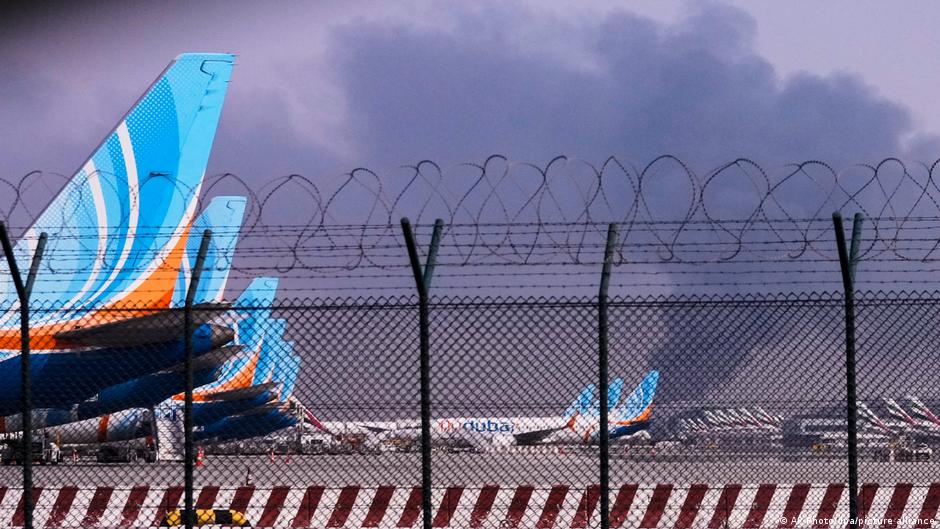
The article reports that the United Arab Emirates (UAE) has joined a coalition of countries including Qatar, Oman, Jordan, Saudi Arabia, Bahrain, Kuwait, Lebanon, Iran, and Israel in activating evacuation routes and travel safety measures for stranded Europeans and Americans across West Asia travel corridors. This move is part of the US and EU’s efforts to ensure the safety of citizens in the region. The article also touches on the latest travel trends and insights from thought leaders, highlighting the importance of safety measures in the travel industry, especially in regions prone to geopolitical tensions.
Key Points:
Actionable Takeaways:
Enhanced Safety Protocols: Travel companies and governments should enhance their safety protocols, especially in regions with geopolitical tensions. This includes improving evacuation routes, ensuring clear communication channels, and providing real-time updates to stranded travelers. This is crucial for maintaining trust and ensuring the safety of travelers.
Collaborative Efforts: The article highlights a collaborative effort between the US, EU, and GCC countries. Travel and tourism stakeholders should foster such collaborative efforts to ensure a unified approach to handling crises and ensuring the safety of citizens. This can lead to more effective crisis management and improved traveler confidence.
Real-Time Information Sharing: With the activation of evacuation routes, there is a need for real-time information sharing among governments, travel companies, and citizens. This can be achieved through dedicated apps or platforms that provide updates on safety measures, evacuation routes, and other relevant information. Real-time information sharing can significantly reduce anxiety and uncertainty among travelers.
Contextual Insights:
The activation of evacuation routes and travel safety measures by the UAE, along with several other Gulf Cooperation Council (GCC) countries, in response to the safety concerns of stranded Europeans and Americans in West Asia, underscores the importance of proactive crisis management in the travel industry. This move is a direct response to the geopolitical tensions in the region, which have raised concerns about the safety of travelers.
In the current context of global travel, where geopolitical tensions and security concerns are prevalent, such measures are not only necessary but also expected. The article also highlights the importance of staying updated with the latest travel trends and insights from thought leaders. This suggests that the travel industry is evolving, with a growing emphasis on safety, security, and real-time information sharing.
Looking ahead, we can expect to see more such collaborative efforts between governments and travel companies to ensure the safety of travelers. The integration of technology, such as real-time information sharing platforms, will likely become more prevalent. Additionally, the industry may see a shift towards more proactive crisis management strategies, where potential risks are identified and mitigated before they escalate into crises.
Handling Different Article Types:
The article in question is a news blurb, providing factual information about a recent development in the travel industry. The summarization, key points, and actionable takeaways are based on the facts and context provided in the article. No opinion pieces or feature articles were present in the content.
Read the Complete Article.
Boutique Travel VC raises investment cap from $1.5M to $10M to lead rounds and support portfolio companies through growth Travel...
Read moreDetails


Comprehensive Summarization: The article reports that the United Arab Emirates (UAE) has joined a coalition of countries including Qatar, Oman,...
Read moreDetails
