Comprehensive Summarization:
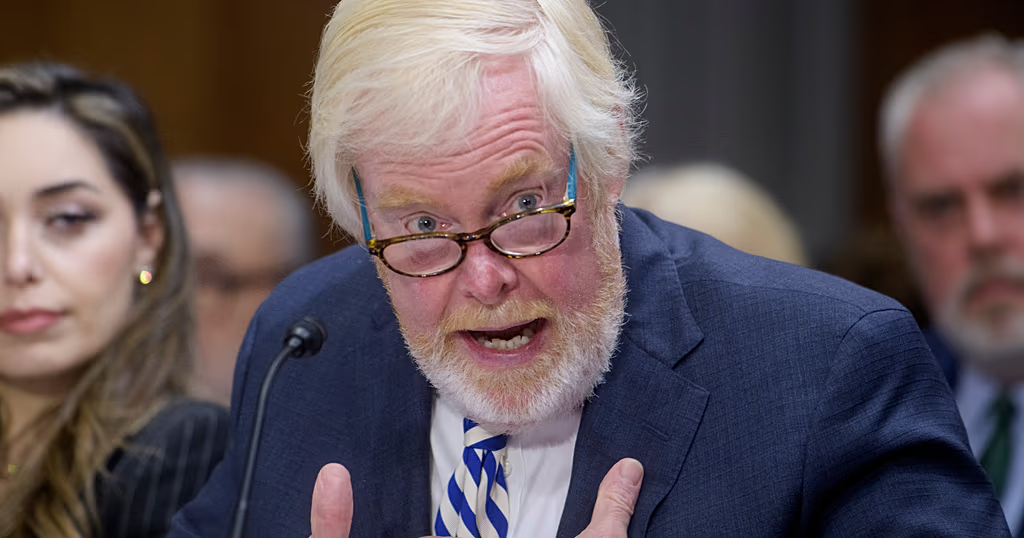
The article reports on a significant diplomatic development where the United States and Iran have agreed to an 11-day conditional ceasefire, effective from April 8, 2024. This ceasefire was brokered by the UAE’s diplomatic adviser, Dr. Anwar Gargash, who addressed the nation in a televised speech. Gargash acknowledged that the UAE has “triumphed in a war we sincerely sought to avoid” and emphasized that the country remains on a “defensive alert.” The ceasefire is expected to lead to a measurable drop in missile launches within 48 hours, signaling a potential restoration of air connectivity in the UAE. The article also touches on the broader context of travel trends and insights from thought leaders, highlighting the importance of diplomatic efforts in stabilizing travel routes and fostering international cooperation.
Key Points:
- The UAE, under the leadership of Dr. Anwar Gargash, has brokered an 11-day conditional ceasefire between the US and Iran, effective April 8, 2024.
- Gargash described the UAE’s role in the ceasefire as a victory in a war it sought to avoid, while maintaining a defensive posture.
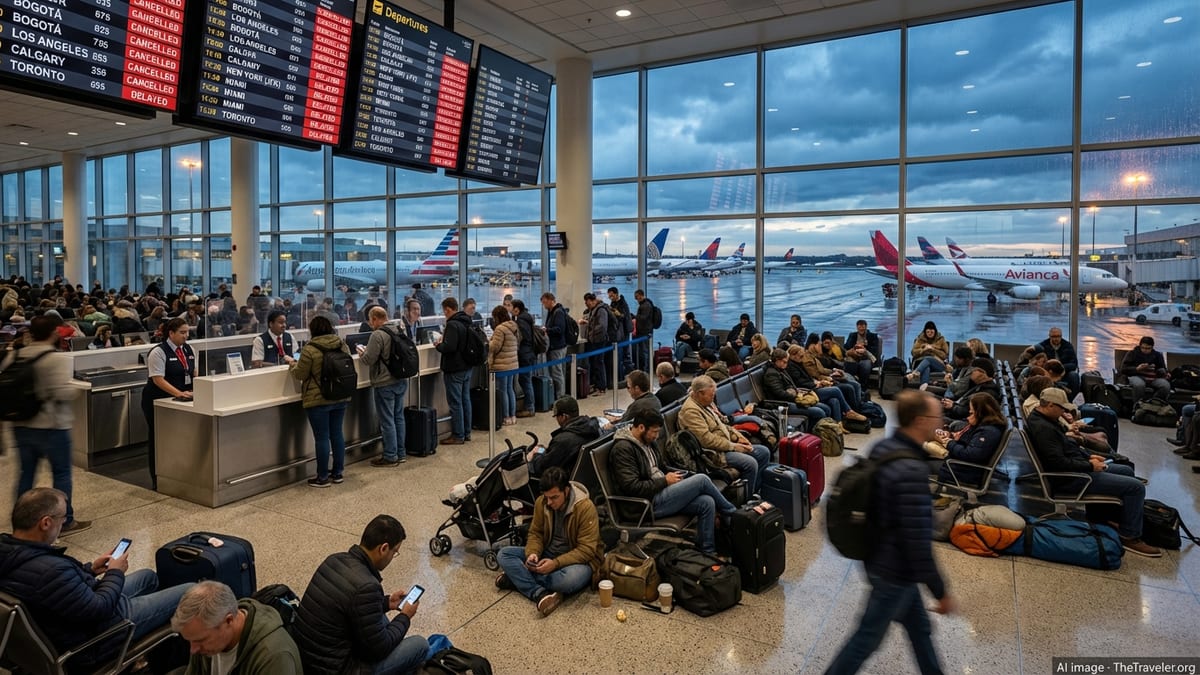
- The ceasefire is anticipated to result in a reduction of missile launches within 48 hours, potentially restoring air connectivity in the region.
- The article underscores the importance of diplomatic efforts in stabilizing travel routes and fostering international cooperation in the travel industry.
Actionable Takeaways:
-
Diplomatic Stability and Travel Industry: The successful ceasefire between the US and Iran could lead to a measurable drop in missile launches within 48 hours, potentially restoring air connectivity in the UAE. This development is crucial for the travel industry as it may facilitate smoother travel routes and boost tourism and business travel in the region. The stability brought by diplomatic efforts can enhance investor confidence and encourage partnerships in travel tech and logistics sectors.
-
Investment in Travel Tech and Diplomacy: The article highlights the role of diplomatic efforts in stabilizing travel routes. For travel startups and fintech companies, this presents an opportunity to invest in technologies that enhance security and streamline travel processes. Innovations in AI-driven security systems, real-time travel advisories, and secure payment solutions could see increased demand as countries prioritize diplomatic stability to support their travel sectors.
Contextual Insights:
The ceasefire between the US and Iran is a significant diplomatic achievement that has immediate implications for the travel industry, particularly in the Middle East. The agreement comes at a time when travel and tourism are recovering from the impacts of the COVID-19 pandemic and geopolitical tensions. The UAE’s diplomatic adviser, Dr. Anwar Gargash, played a pivotal role in negotiating the ceasefire, underscoring the country’s strategic importance in regional diplomacy. This development aligns with current industry trends that emphasize the importance of geopolitical stability for travel and tourism. As the world moves towards post-pandemic recovery, diplomatic efforts like these are likely to become more critical in ensuring the smooth operation of global travel networks. Travel startups and fintech companies should consider how they can leverage this stability to innovate in areas such as secure travel payments, real-time travel advisories, and enhanced security measures for travelers. The focus on diplomatic stability also highlights the need for travel companies to stay informed about geopolitical developments and adapt their strategies accordingly to capitalize on emerging opportunities.
Read the Complete Article.