


















Travel Capitalist Ventures Expands Check Size to $10 Million to Deepen Emerging Market Conviction
Boutique Travel VC raises investment cap from $1.5M to $10M to lead rounds and support portfolio companies through growth Travel...
Read moreDetails
Article Summary:
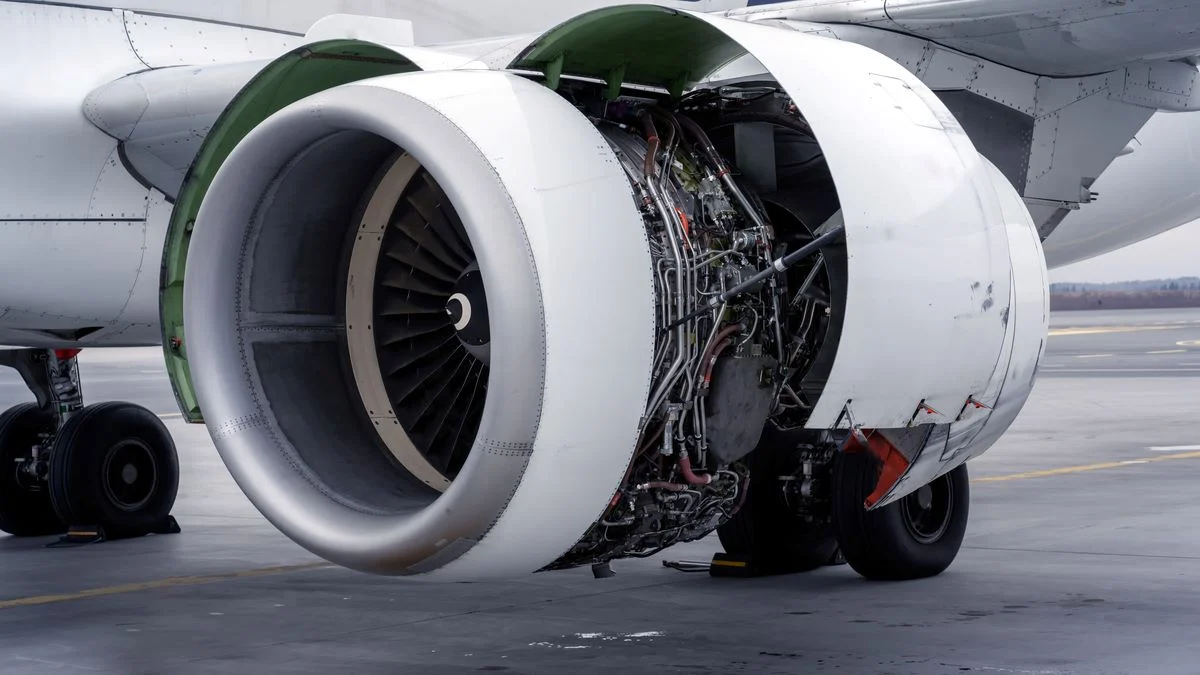
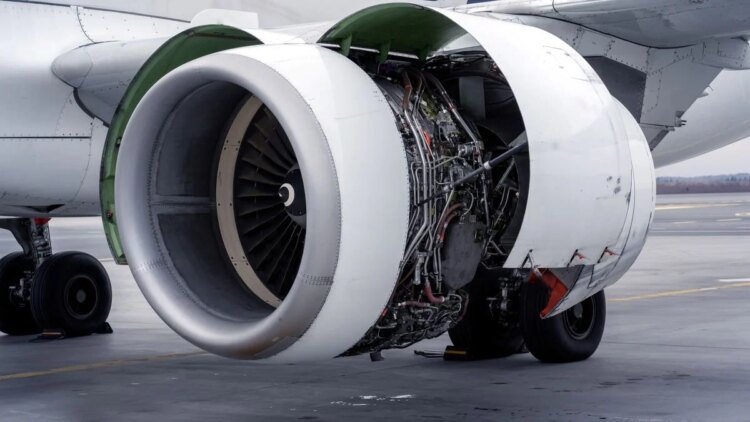
The International Air Transport Association (IATA) has released an updated analysis highlighting ongoing aerospace supply chain bottlenecks that continue to constrain the growth of the aviation industry. According to the report, aircraft availability remains a significant constraint, with delivery shortfalls totaling at least 5,300 aircraft and an order backlog surpassing 17,000 aircraft, equivalent to nearly 60% of the active fleet. The average fleet age has risen to 15.1 years, with aircraft in storage exceeding 5,000 units. The report emphasizes that airlines are facing higher leasing costs, reduced scheduling flexibility, delayed sustainability gains, and increased reliance on suboptimal aircraft types due to these supply chain challenges. Willie Walsh, IATA’s Director General, warns that the industry must accelerate solutions to avoid more acute impacts on top-line growth, environmental performance, and customer service.
Key Points:
Actionable Takeaways:
Contextual Insights:
The article reflects the current state of the aviation industry, where supply chain bottlenecks are a critical issue affecting operational efficiency, financial performance, and sustainability goals. The rising fleet age and storage levels underscore the industry’s struggle with delayed fleet renewal, while the increasing order backlog signals a prolonged period of demand exceeding supply. These challenges are compounded by technological and economic factors, such as longer certification timelines and tariffs affecting production and maintenance costs. The insights provided by IATA highlight the urgent need for innovative solutions to address these systemic issues, emphasizing the importance of collaboration across the supply chain to enhance resilience and reliability. As the industry navigates these challenges, there is a clear opportunity for startups and fintech solutions to play a pivotal role in optimizing supply chain operations, improving fuel efficiency, and managing financial risks associated with aircraft leasing and maintenance.
Read the Complete Article.
Boutique Travel VC raises investment cap from $1.5M to $10M to lead rounds and support portfolio companies through growth Travel...
Read moreDetails



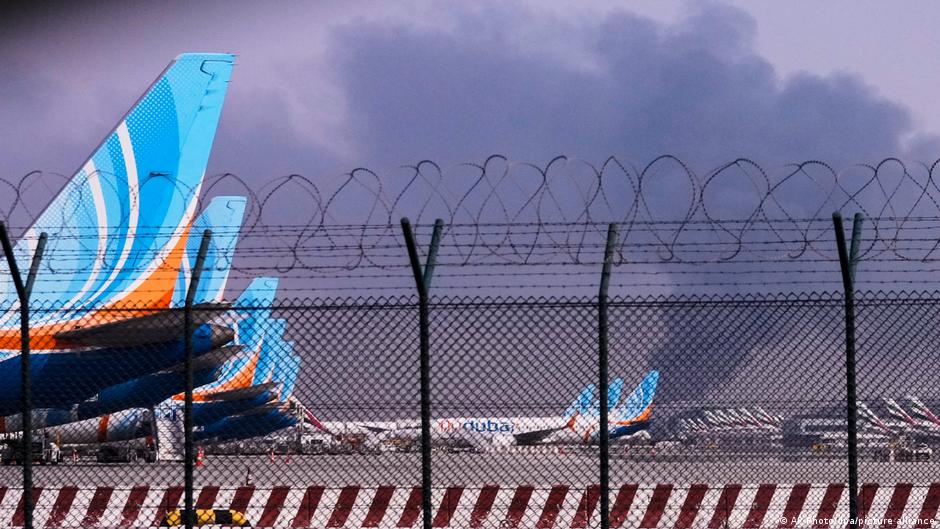
Comprehensive Summarization: Flydubai has announced the cancellation of all Dubai–Budapest flights scheduled for April, effectively ending the three-times-weekly service that...
Read moreDetails
