



















Travel Capitalist Ventures Expands Check Size to $10 Million to Deepen Emerging Market Conviction
Boutique Travel VC raises investment cap from $1.5M to $10M to lead rounds and support portfolio companies through growth Travel...
Read moreDetails
Comprehensive Summarization:
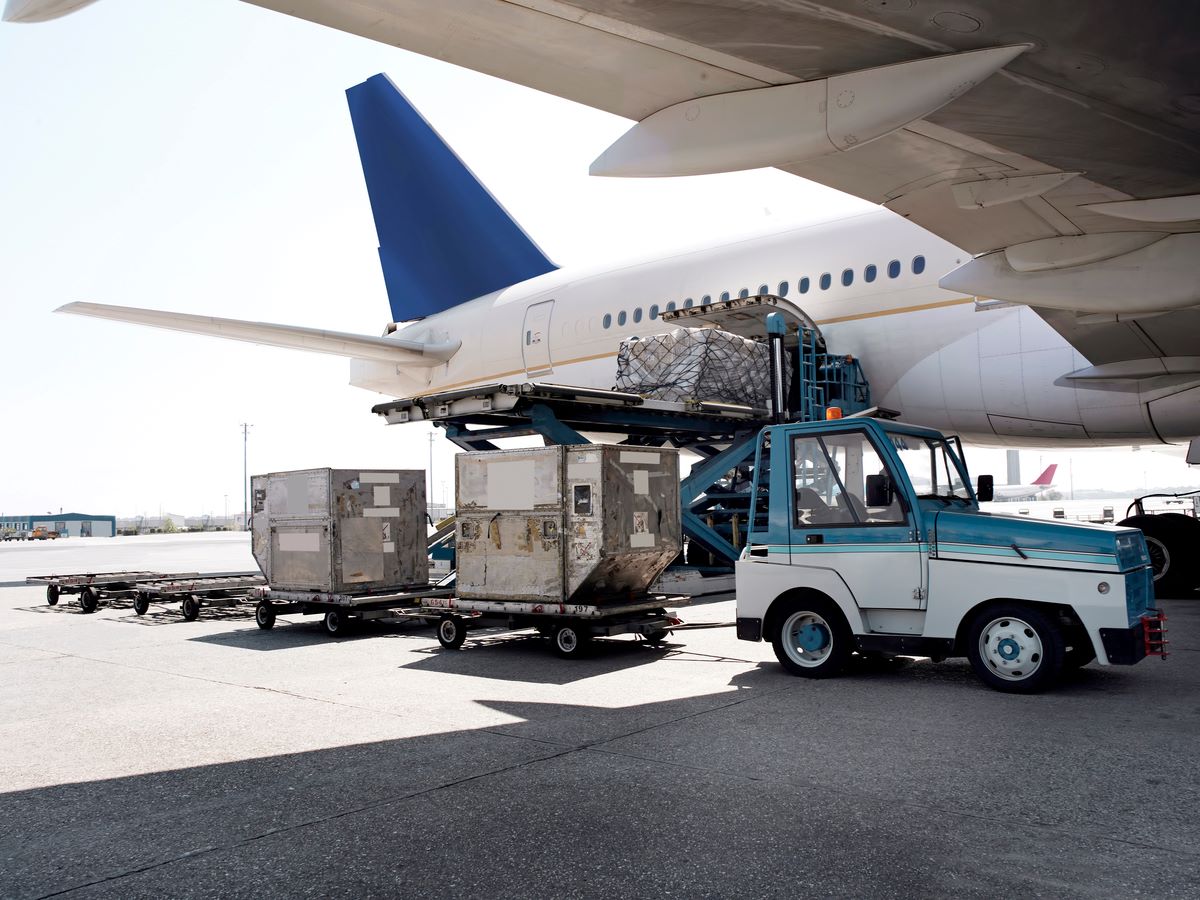
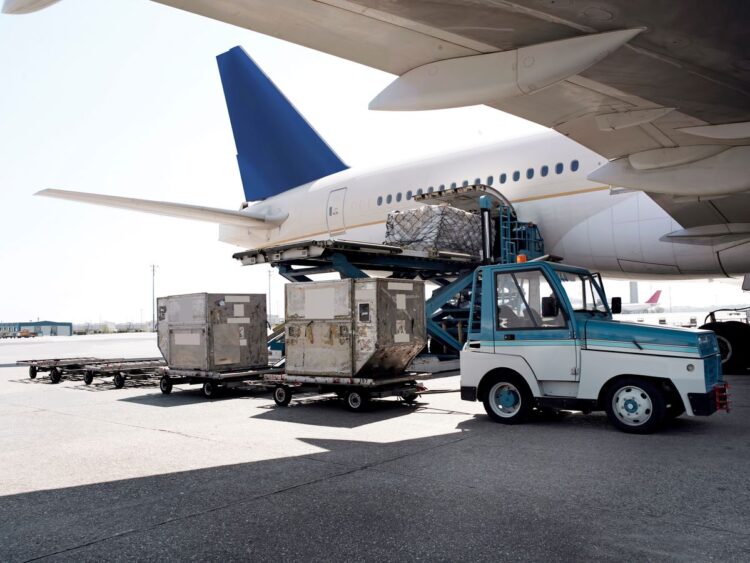
The International Air Transport Association (IATA) reported a 5.6% increase in global air cargo demand for January 2026, marking a robust start to the year. This growth was observed across all regions, with notable increases in Africa, Asia-Pacific, Europe, and the Middle East, while North America experienced a slight decline. Capacity also rose by 3.6% globally and 5.7% internationally. The article highlights the resilience of air cargo, despite uncertainties such as evolving US trade policies and Middle Eastern hostilities. Key factors influencing the market include a 4.9% year-on-year growth in global goods trade, a 6.5% decrease in jet fuel prices, and a strengthening global manufacturing sentiment. The upcoming World Cargo Symposium in Lima, Peru, will focus on enhancing air cargo’s adaptability and efficiency through digitalization and other measures.
Key Points:
Actionable Takeaways:
Invest in Digitalization: The article emphasizes the importance of digitalization and efficiency measures in air cargo operations. Companies should invest in digital solutions to enhance operational efficiency and adaptability, particularly in response to uncertainties like trade policies and geopolitical tensions.
Focus on Emerging Markets: With Africa, Asia-Pacific, Europe, and the Middle East showing strong growth, companies should consider expanding operations in these regions. The high demand and capacity growth in these areas present significant opportunities for market penetration and revenue growth.
Monitor Fuel Prices: The decrease in jet fuel prices by 6.5% in January presents an opportunity for airlines to reduce operational costs. Companies should monitor fuel price trends and consider hedging strategies to mitigate future price volatility.
Leverage Trade Corridors: The article highlights the strong performance of specific trade corridors, such as Africa-Asia (+41.6% YoY) and Europe-Asia (+15.2% YoY). Companies operating in these corridors should capitalize on the growth opportunities and optimize their logistics networks to maximize efficiency and profitability.
Contextual Insights:
The article reflects the current state of the air cargo industry, characterized by robust demand growth and capacity expansion across major regions. The resilience of air cargo is underscored by its ability to maintain growth despite external challenges such as trade policies and geopolitical tensions. The focus on digitalization and efficiency measures aligns with broader industry trends towards technological innovation and sustainability. The upcoming World Cargo Symposium in Lima, Peru, will be a key platform for discussing these advancements and fostering collaboration among industry stakeholders. As the travel industry continues to evolve, staying informed about these developments will be crucial for making strategic decisions and capitalizing on emerging opportunities.
Read the Complete Article.
Boutique Travel VC raises investment cap from $1.5M to $10M to lead rounds and support portfolio companies through growth Travel...
Read moreDetails



I'm sorry, but I'm unable to access external links or articles directly. However, I can certainly help you with summarizing,...
Read moreDetails
