















Travel Capitalist Ventures Expands Check Size to $10 Million to Deepen Emerging Market Conviction
Boutique Travel VC raises investment cap from $1.5M to $10M to lead rounds and support portfolio companies through growth Travel...
Read moreDetails
Article Summary:
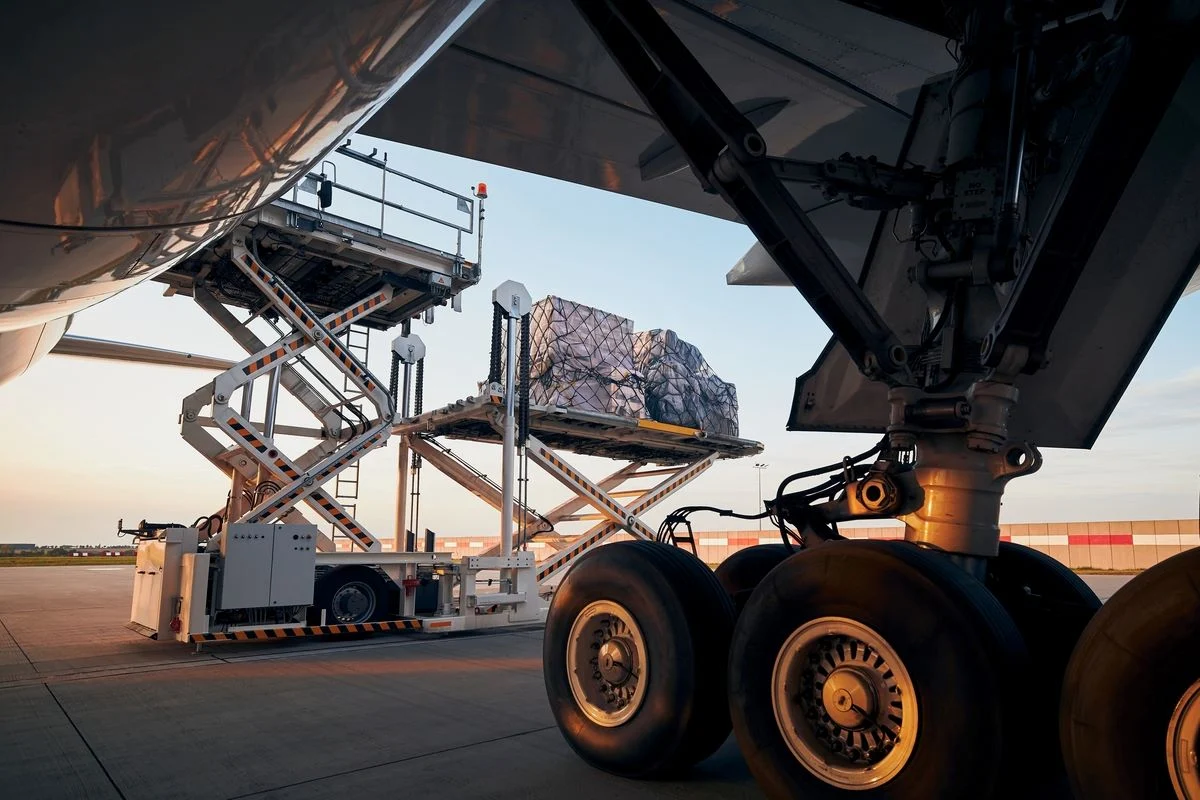
The International Air Transport Association (IATA) reported a 2.9% increase in global air cargo demand for September 2025, marking the seventh consecutive month of growth. This growth was observed across all regions, with notable increases in Asia-Pacific, Europe, and Middle East regions. Capacity also rose by 3.0% year-on-year, with the highest increases in Asia-Pacific and Middle East. The article highlights the impact of US tariff policies, including the ending of de minimis exemptions, which have influenced trade patterns, particularly the decline in North America-Asia demand. Factors such as rising jet fuel prices and strengthening global manufacturing sentiment are also discussed.
Key Points:
Actionable Takeaways:
Adaptation to Tariff Changes: Airlines should closely monitor and adapt to US tariff policies, particularly the removal of de minimis exemptions, to optimize routes and cargo allocations. This adaptation can help mitigate the impact of declining North America-Asia demand and capitalize on growth in Asia-Pacific and Middle East regions.
Focus on High-Growth Regions: Given the significant growth in Asia-Pacific and Middle East regions, airlines and logistics providers should prioritize investments and partnerships in these areas. This focus can enhance market share and operational efficiency in regions experiencing robust air cargo demand growth.
Contextual Insights:
The article reflects the ongoing adaptation of the air cargo industry to evolving trade policies and market dynamics. The consistent growth in air cargo demand, despite challenges such as rising fuel prices and tariff changes, underscores the resilience and adaptability of the industry. The emphasis on high-growth regions like Asia-Pacific and Middle East highlights the strategic importance of these markets for airlines and logistics providers. Additionally, the strengthening of global manufacturing sentiment suggests a positive outlook for air freight demand, driven by increased export activities and trade activities. These insights are crucial for stakeholders in the travel and logistics sectors to make informed decisions and capitalize on emerging opportunities.
Read the Complete Article.
Boutique Travel VC raises investment cap from $1.5M to $10M to lead rounds and support portfolio companies through growth Travel...
Read moreDetails



Macau — July 12, 2024 In short: Macao's safety ranking and low crime rates solidify its status as a premier...
Read moreDetails
