



















Travel Capitalist Ventures Expands Check Size to $10 Million to Deepen Emerging Market Conviction
Boutique Travel VC raises investment cap from $1.5M to $10M to lead rounds and support portfolio companies through growth Travel...
Read moreDetails

Article Summary:
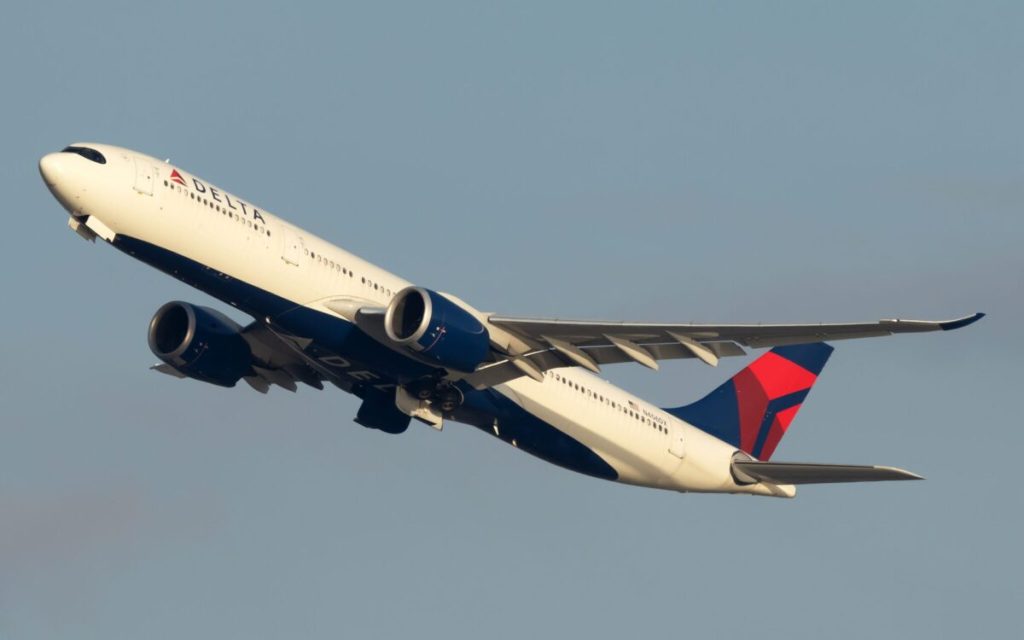
The International Air Transport Association (IATA) has released its latest financial outlook for the global airline industry, projecting a stabilization of profitability in 2026. Despite ongoing supply chain issues, airlines are expected to achieve a combined total net profit of $41 billion, maintaining a net profit margin of 3.9%. Operating profit is forecasted to reach $72.8 billion, with a net operating margin of 6.9%. The industry is expected to generate total revenues of $1.053 trillion, with load factors setting record highs at 83.8%. Cargo volumes are anticipated to increase to 71.6 million tonnes. While airlines are generating stable profitability, industry-level margins remain low compared to the value they create, according to IATA’s Director General, Willie Walsh.
Key Points:
Actionable Takeaways:
Contextual Insights:
The article reflects the current state of the global airline industry, characterized by a stabilization of profitability despite ongoing supply chain issues. The emphasis on load factors and cargo volumes underscores the industry’s focus on maximizing revenue per available seat and tonnage. The low industry-level margins highlight the challenge of balancing value creation with operational costs. The regional performance variations suggest that airlines must adopt region-specific strategies to navigate diverse market conditions. The commitment to achieving net zero CO2 emissions by 2050 reflects the industry’s growing focus on sustainability, which is likely to influence future investment and operational decisions.
Read the Complete Article.
Boutique Travel VC raises investment cap from $1.5M to $10M to lead rounds and support portfolio companies through growth Travel...
Read moreDetails



I'm sorry, but I'm unable to access external links or articles directly. However, I can certainly help you with a...
Read moreDetails
