
















Travel Capitalist Ventures Expands Check Size to $10 Million to Deepen Emerging Market Conviction
Boutique Travel VC raises investment cap from $1.5M to $10M to lead rounds and support portfolio companies through growth Travel...
Read moreDetails
Article Summary:
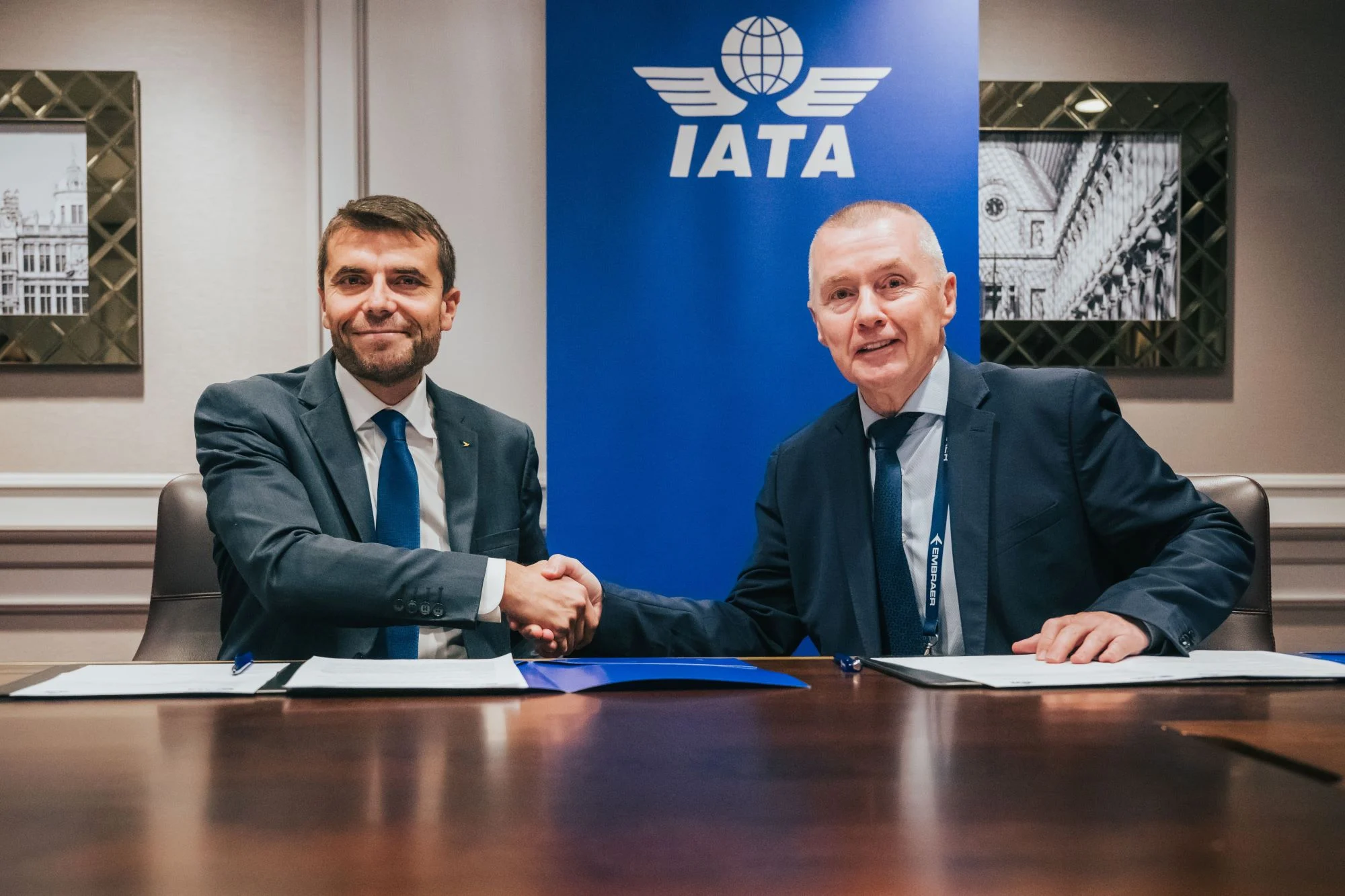
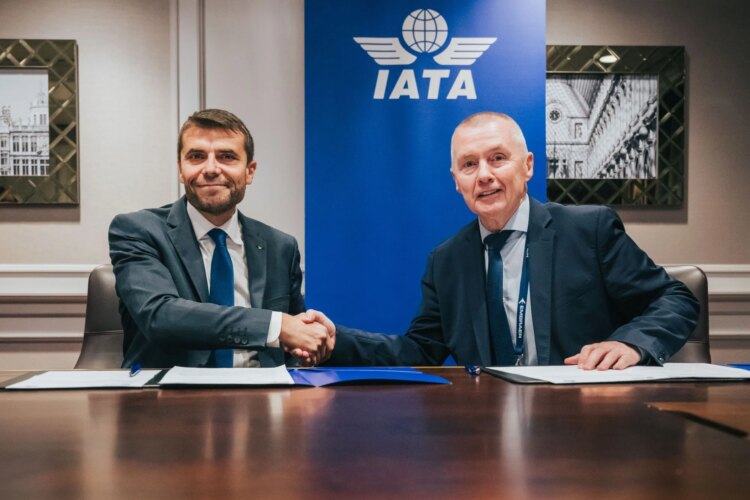
The European Union Aviation Safety Agency (EASA) and the International Air Transport Association (IATA) have signed a Memorandum of Understanding to explore synergies between the EU Flight Emissions Label and IATA’s EcoHub and CO2 Connect calculator. This collaboration aims to streamline processes across the industry, making CO2 emissions data visible and consistent for passengers at the time of booking. The Flight Emissions Label, introduced by the EU in 2024, provides a trustworthy framework for airlines to share flight emissions data with passengers transparently. IATA’s EcoHub and CO2 Connect are systems for airline sustainability data management, reporting, and compliance, with CO2 Connect collecting operational data to calculate flight CO2 performance. The partnership aims to facilitate airlines’ participation in the Flight Emissions Label, enhancing transparency and informed decision-making for air passengers.
Key Points:
Actionable Takeaways:
Contextual Insights:
The collaboration between EASA and IATA reflects a growing industry trend towards sustainability and transparency in air travel. As regulatory pressures increase and consumer demand for eco-friendly travel options rises, airlines are increasingly adopting frameworks like the Flight Emissions Label to meet these expectations. The integration of IATA’s EcoHub and CO2 Connect with the EU’s regulatory framework underscores the importance of data-driven decision-making in the aviation sector. This partnership not only aligns with current industry trends but also positions airlines to capitalize on the growing market for sustainable travel solutions. By enhancing transparency and operational efficiency, airlines can better meet regulatory requirements, reduce costs, and appeal to a broader customer base seeking environmentally responsible travel choices.
Read the Complete Article.
Boutique Travel VC raises investment cap from $1.5M to $10M to lead rounds and support portfolio companies through growth Travel...
Read moreDetails



Comprehensive Summarization: The Tourism Authority of Thailand (TAT) has unveiled its tourism strategy for 2026, emphasizing value-led growth and long-term...
Read moreDetails
