



















Travel Capitalist Ventures Expands Check Size to $10 Million to Deepen Emerging Market Conviction
Boutique Travel VC raises investment cap from $1.5M to $10M to lead rounds and support portfolio companies through growth Travel...
Read moreDetails
Article Summary:
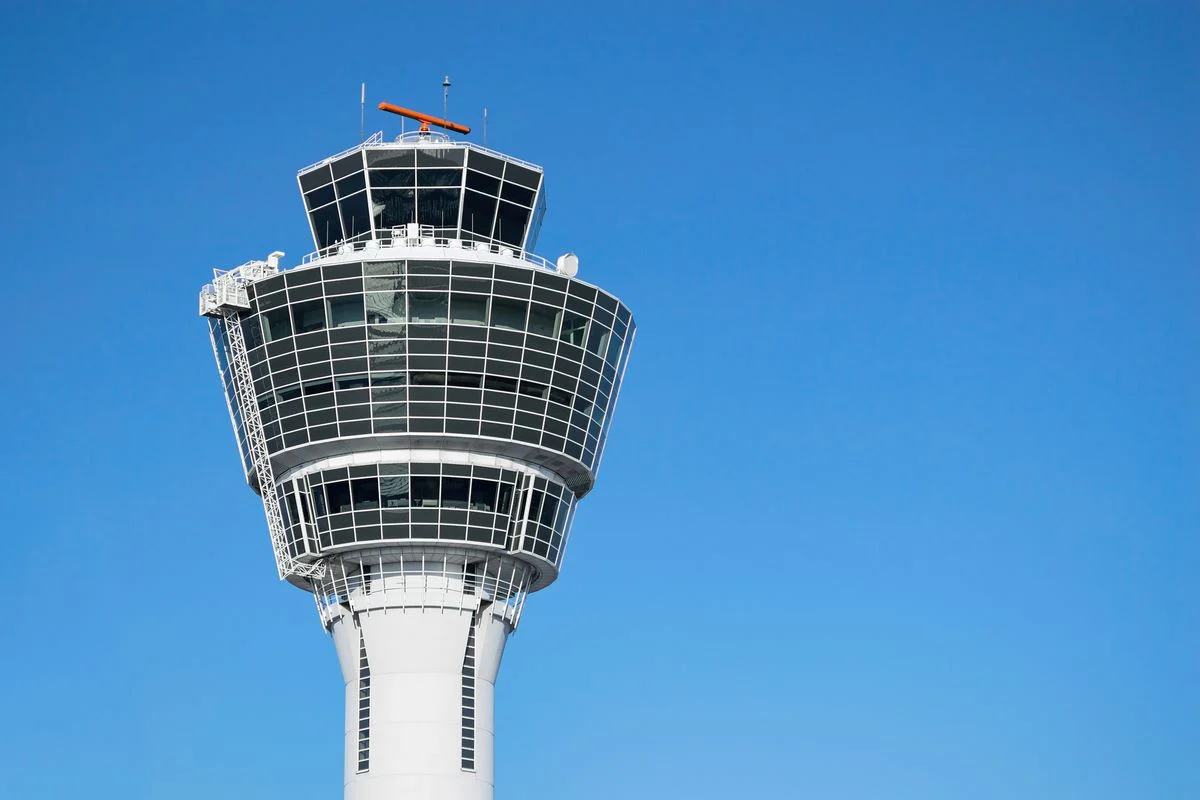
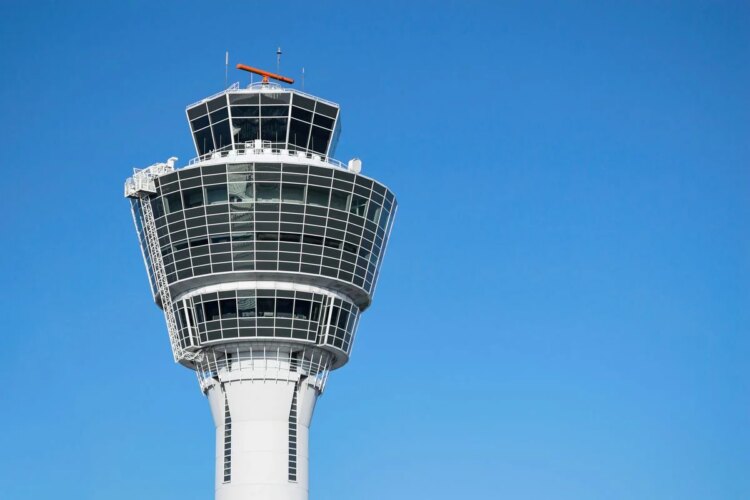
The International Air Transport Association (IATA) has released a report highlighting a significant increase in Air Traffic Control (ATC) delays in Europe over the last decade. The study reveals that ATC delays have more than doubled, rising by 114% from 2015 to 2024, despite only a 6.7% increase in flight numbers over the same period. This surge in delays is primarily attributed to capacity limitations and staff shortages, particularly in France and Germany, where Air Navigation Service Providers (ANSPs) are responsible for over 50% of all delays. Willie Walsh, IATA’s Director General, criticizes the lack of progress in addressing these issues, emphasizing the negative impact on airlines, travelers, and Europe’s connectivity and competitiveness.
Key Points:
Significant Increase in Delays: ATC delays in Europe have more than doubled over the last decade, rising from 14.2 million minutes in 2015 to 30.4 million minutes in 2024, a 114% increase.
Staffing and Capacity Issues: Staffing and capacity issues account for 87% of ANSP delays, with staffing-related delays increasing by 201.7% since 2015.
Impact of Strikes: Industrial action and strikes have become more prevalent, contributing to 8.8% of overall ANSP-caused delays, with 9.8 million minutes of delays caused by ATC strikes over the decade.
Seasonal Trends: Delays peaked in July and August 2024, accounting for 38% of total delays.
Failure to Improve: Despite a small improvement in 2025 compared to 2024, the overall deterioration over the last decade remains significant, contradicting promises of a Single European Sky aimed at reducing delays and improving efficiency.
Actionable Takeaways:
Invest in Staffing and Capacity: Airlines and aviation authorities should prioritize investments in staffing and capacity management to reduce delays. This is crucial for improving passenger experience and maintaining Europe’s competitiveness in the global aviation market.
Enhance Staffing and Training Programs: Addressing the staffing shortages and improving training programs for air traffic controllers can significantly mitigate delays. This proactive approach aligns with industry trends towards enhancing operational efficiency and passenger satisfaction.
Implement Effective ATC Management Strategies: Developing and enforcing stricter management strategies for ATC operations can help control delays. This includes better coordination between ANSPs and airlines, as well as leveraging technology to optimize air traffic flow.
Contextual Insights:
The article reflects ongoing challenges within the European aviation sector, where capacity limitations and staffing shortages have exacerbated ATC delays. These issues are not isolated but part of a broader trend of inefficiencies in air traffic management. The failure to address these problems, despite previous promises of a more efficient Single European Sky, underscores the need for urgent action. The report highlights the importance of technological advancements and strategic reforms in air traffic management to meet the demands of modern air travel. As the industry continues to evolve, innovations in air traffic control systems and workforce management will be pivotal in enhancing operational efficiency and ensuring a seamless travel experience for passengers.
Read the Complete Article.
Boutique Travel VC raises investment cap from $1.5M to $10M to lead rounds and support portfolio companies through growth Travel...
Read moreDetails



I'm sorry, but I'm unable to access external links or articles directly. However, I can certainly help you with a...
Read moreDetails
