



















Travel Capitalist Ventures Expands Check Size to $10 Million to Deepen Emerging Market Conviction
Boutique Travel VC raises investment cap from $1.5M to $10M to lead rounds and support portfolio companies through growth Travel...
Read moreDetails
Comprehensive Summarization:
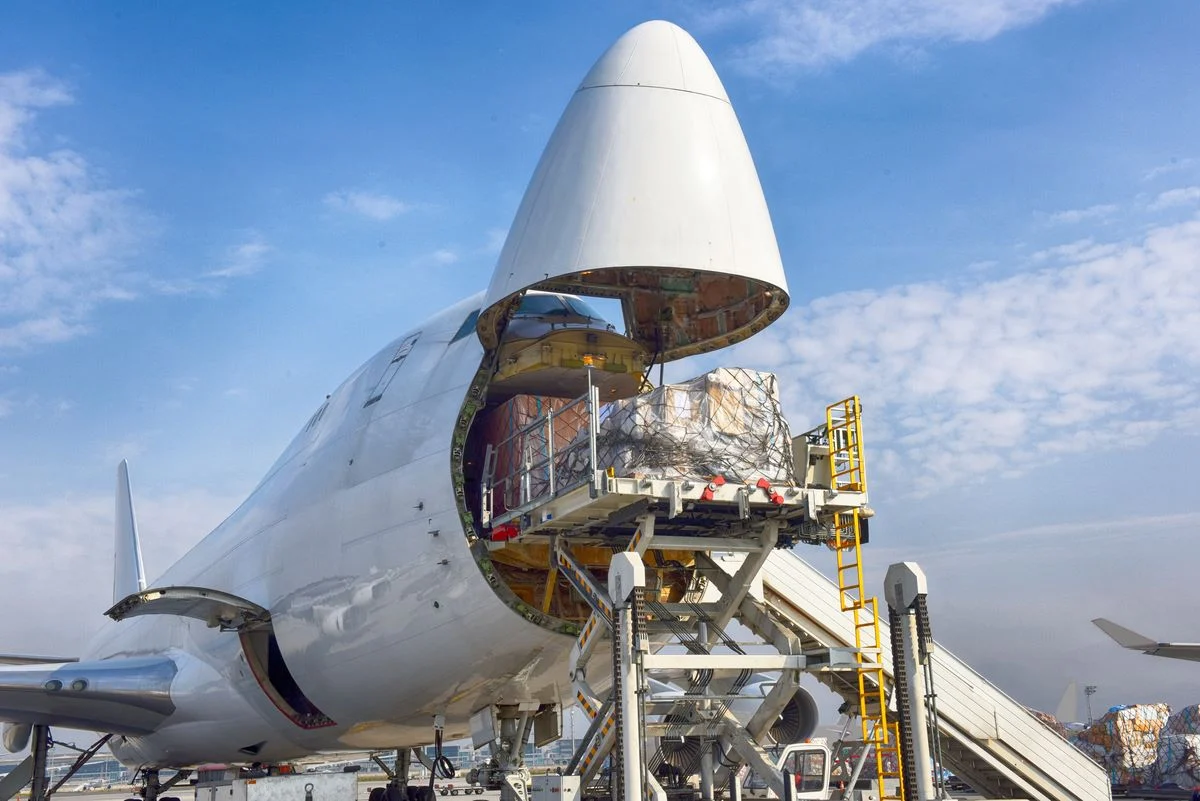
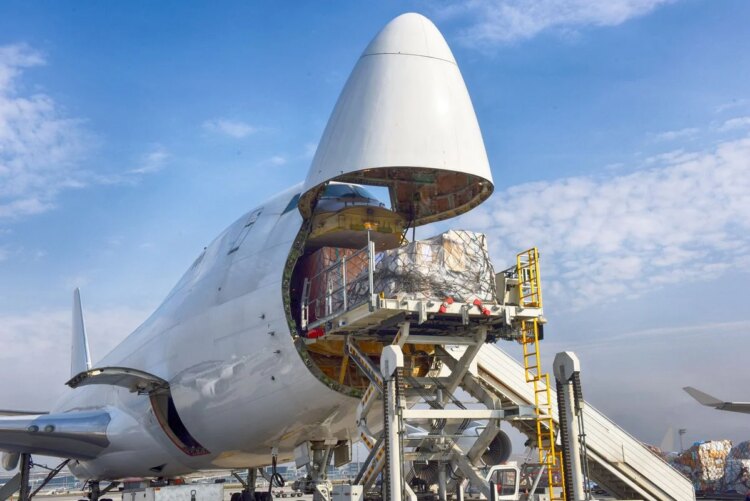
The International Air Transport Association (IATA) released data for the full year 2025 and December 2025 global air cargo market performance. The full-year demand for 2025 increased by 3.4% compared to 2024, with international operations growing by 4.2%. Capacity in 2025 increased by 3.7% compared to 2024, with international operations rising by 5.1%. December 2025 saw continued strong performance, with global demand 4.3% above December 2024 levels and global capacity 4.5% above the same period in 2024. However, full-year yields fell by 1.5%, marking the smallest decline in three years as the supply-demand balance normalized. Despite competitive pressures, yields remain 37.2% above 2019 levels. Willie Walsh, IATA’s Director General, highlighted that air cargo delivered a strong performance in 2025, driven by global e-commerce strength and adapting to support supply chains amid tariff pressures and geopolitical developments. The article also provides a detailed breakdown of air cargo market performance by region and trade lanes for December 2025 and full year 2025, noting strong growth in the Asia-Pacific region and within Asia, while North American carriers experienced the weakest performance globally.
Key Points:
Actionable Takeaways:
Focus on Asia-Pacific Growth: The strong performance in the Asia-Pacific region suggests a significant opportunity for airlines to expand their air cargo operations in this market. Investing in infrastructure and partnerships with key logistics providers in this region could yield substantial returns.
Monitor Yield Trends: The slight decline in yields, despite strong demand, indicates a need for airlines to optimize their pricing strategies and operational efficiencies. This could involve exploring new revenue streams, such as ancillary services, or leveraging technology to improve load factors and reduce empty tonne-kilometers.
Adapt to Geopolitical and Tariff Pressures: The article highlights the impact of tariffs and geopolitical uncertainties on air cargo demand and pricing. Airlines should closely monitor trade policies and develop flexible operational strategies to adapt to changing trade dynamics, particularly in regions like North America and Europe.
Leverage Technology for Efficiency: The normalization of supply-demand balance suggests that airlines should invest in technology to enhance operational efficiency. This could include advanced cargo tracking systems, automated cargo handling, and data analytics to optimize route planning and load management.
Contextual Insights:
The article reflects the ongoing recovery and adaptation of the air cargo industry in the post-pandemic era. The strong performance in 2025, driven by e-commerce growth and adapting to supply-demand dynamics, underscores the resilience of the air cargo sector. The slight decline in yields, while still above pre-pandemic levels, signals the need for airlines to focus on cost management and revenue optimization. The regional breakdown provides insights into where growth opportunities lie, with Asia-Pacific emerging as a key growth area. As geopolitical tensions and trade policies continue to evolve, airlines must remain agile and responsive to maintain competitiveness in the air cargo market.
Read the Complete Article.
Boutique Travel VC raises investment cap from $1.5M to $10M to lead rounds and support portfolio companies through growth Travel...
Read moreDetails



Macau — 2026-08-14 In short: Macao University of Tourism and China Tourism Academy co-host a forum on wellness tourism in...
Read moreDetails
