
















Travel Capitalist Ventures Expands Check Size to $10 Million to Deepen Emerging Market Conviction
Boutique Travel VC raises investment cap from $1.5M to $10M to lead rounds and support portfolio companies through growth Travel...
Read moreDetails
Article Summary:
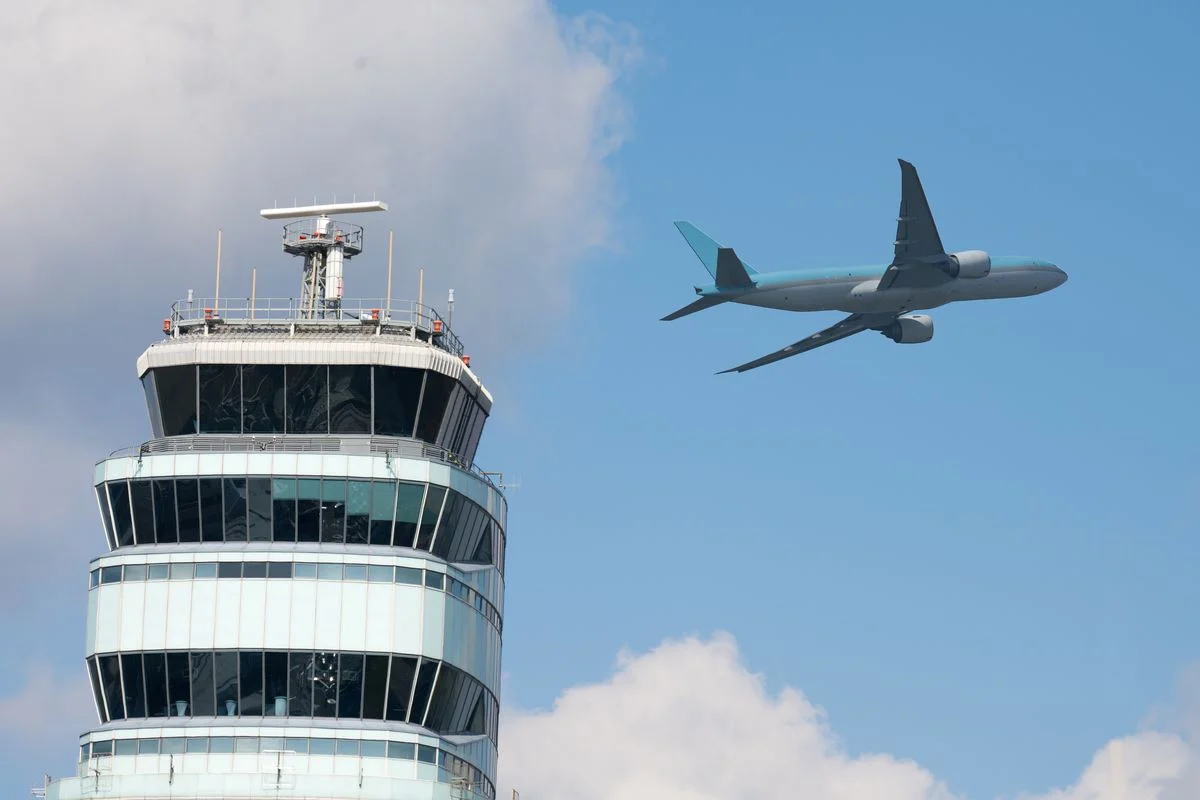
The International Air Transport Association (IATA) has urged the International Telecommunication Union (ITU) and national telecommunications regulators to ensure that 5G and future 6G networks operating near aviation frequencies do not impair radio altimeters and other avionic systems. Ahead of the World Radiocommunication Conference 2027 (WRC-27), IATA submitted a working paper outlining operational scenarios and safety requirements for future spectrum policy. IATA emphasizes the importance of maintaining a minimum separation of 35 ft (11 m) between aircraft and terrestrial 5G transmitters and calls for clear global rules to ensure the safe coexistence of radio altimeters and next-generation telecom networks. The article also highlights persistent 5G challenges, including the expiration of current mitigations and the lack of more resilient radio altimeters before the early 2030s, creating a significant mitigation gap.
Key Points:
Actionable Takeaways:
Regulatory Oversight Required: Regulators must implement clear, consistent safeguards to protect aviation safety during the transition to 5G and 6G networks. Relevance: Ensures aviation safety is prioritized as new technologies are deployed, preventing potential disruptions to flight operations.
Invest in Resilient Radio Altimeters: Airlines should prioritize the development and adoption of more resilient radio altimeters that can withstand 5G interference before they become widely available. Relevance: Addresses the mitigation gap created by the expiration of current mitigations, ensuring continued safe flight operations.
Monitor Spectrum Auctions: Stakeholders should closely monitor upcoming spectrum auctions, particularly in countries where key mitigations are set to expire, to anticipate changes in 5G deployment and potential impacts on aviation. Relevance: Helps airlines and regulators prepare for changes in frequency allocations and implement necessary adjustments to maintain safety standards.
Contextual Insights:
The article reflects the ongoing tension between advancing telecommunications technology and maintaining aviation safety. As global air traffic continues to grow, with IATA representing over 80% of global air traffic, the safe coexistence of radio altimeters and next-generation telecom networks is critical. The expiration of current 5G mitigations and the lack of more resilient radio altimeters highlight the urgency for regulatory intervention. This situation underscores the need for forward-thinking policies that balance innovation with safety, ensuring that the travel industry can embrace technological advancements without compromising the safety of air travel. The insights provided are directly sourced from the article and align with current industry trends, emphasizing the importance of proactive measures to safeguard aviation operations in the face of evolving technology.
Read the Complete Article.
Boutique Travel VC raises investment cap from $1.5M to $10M to lead rounds and support portfolio companies through growth Travel...
Read moreDetails



Comprehensive Summarization: The Tourism Authority of Thailand (TAT) has unveiled its tourism strategy for 2026, emphasizing value-led growth and long-term...
Read moreDetails
