









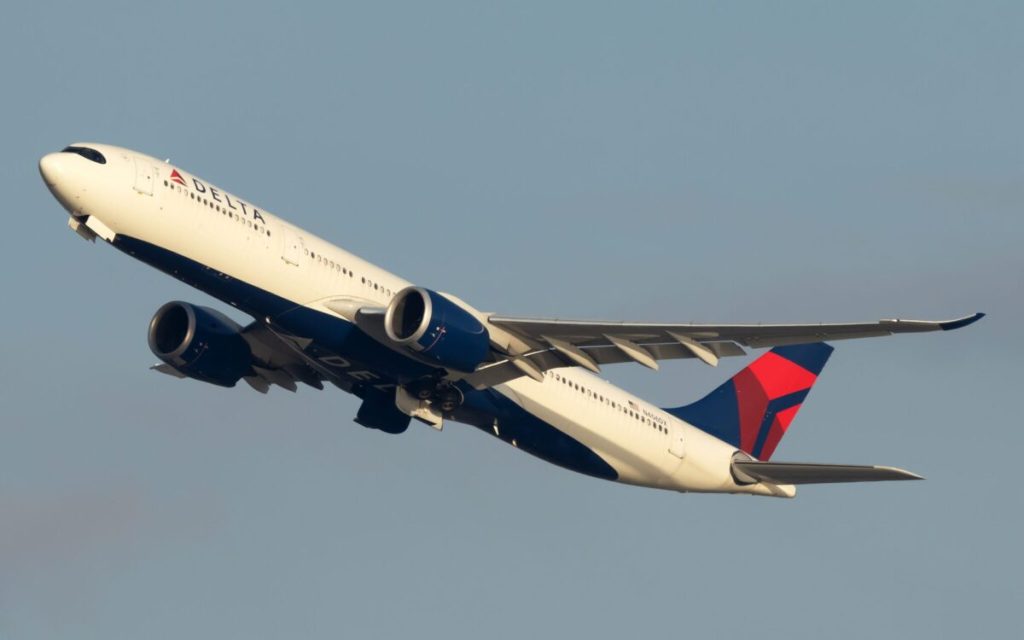












Travel Capitalist Ventures Expands Check Size to $10 Million to Deepen Emerging Market Conviction
Boutique Travel VC raises investment cap from $1.5M to $10M to lead rounds and support portfolio companies through growth Travel...
Read moreDetails
Comprehensive Summarization:
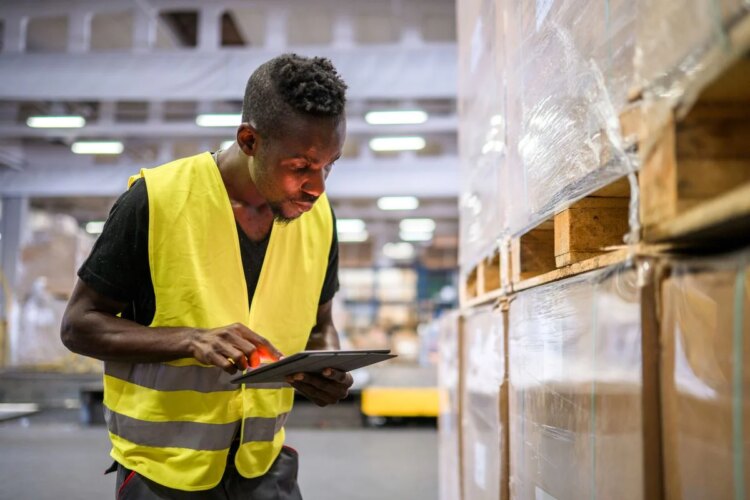
The International Air Transport Association (IATA) is advancing the use of artificial intelligence (AI) in air cargo operations through three key initiatives. These initiatives aim to enhance operational efficiency, strengthen safety and compliance, and accelerate innovation across the global air cargo value chain. The first initiative, an AI Subject Matter Expert (AI SME), is a mobile and web-based application designed to help operational teams quickly find information in IATA cargo and safety publications by asking questions in plain language. The AI SME will initially support the IATA Dangerous Goods Regulations (DGR) and the IATA Cargo Handling Manual (ICHM), with plans to roll out across IATA’s suite of reference publications. The second initiative focuses on leveraging AI to accelerate air cargo’s digital transformation, emphasizing the potential for consistent, interoperable, and globally aligned AI adoption. Brendan Sullivan, IATA’s Global Head of Cargo, highlighted that these initiatives will help maximize AI’s potential, ensuring operations are safer, smarter, and more efficient. For more information, contact IATA’s Corporate Communications at [email protected].
Key Points:
Actionable Takeaways:
Adopt AI SME for Operational Efficiency: Implement the AI SME to streamline access to IATA cargo and safety publications, enabling faster decision-making and improved compliance in time-critical environments. This tool can significantly enhance operational efficiency by providing instant answers to operational queries, reducing the time spent searching through extensive manuals.
Leverage AI for Digital Transformation: Invest in AI technologies to accelerate the digital transformation of air cargo operations. By adopting AI, airlines can achieve more consistent, interoperable, and globally aligned operations, aligning with global aviation standards. This strategic move can lead to safer, smarter, and more efficient air cargo operations, ultimately benefiting the entire supply chain.
Stay Informed on AI Applications: Monitor developments in AI applications within the air cargo sector to stay ahead of industry trends. As AI continues to evolve, staying informed about new tools and methodologies can provide competitive advantages and drive innovation in air cargo operations.
Contextual Insights:
The article reflects IATA’s proactive approach to integrating AI into air cargo operations, a trend increasingly observed across the travel industry. The use of AI SMEs to enhance operational efficiency and compliance aligns with broader industry trends towards digital transformation and automation. As the travel industry continues to evolve, the adoption of AI technologies is becoming essential for maintaining competitive advantage and ensuring operational excellence. The emphasis on interoperability and alignment with global aviation standards underscores the importance of standardization in leveraging AI effectively. Looking forward, the successful implementation of these AI initiatives could set a precedent for other sectors within the travel industry, particularly in areas such as logistics, supply chain management, and customer service automation. The focus on safety and compliance through AI also highlights the industry’s commitment to maintaining high standards in an increasingly complex operational environment.
Read the Complete Article.
Boutique Travel VC raises investment cap from $1.5M to $10M to lead rounds and support portfolio companies through growth Travel...
Read moreDetails



Comprehensive Summarization: British Airways has announced a series of significant changes to its flight operations in response to heightened regional...
Read moreDetails
