















Travel Capitalist Ventures Expands Check Size to $10 Million to Deepen Emerging Market Conviction
Boutique Travel VC raises investment cap from $1.5M to $10M to lead rounds and support portfolio companies through growth Travel...
Read moreDetails
Article Summary:
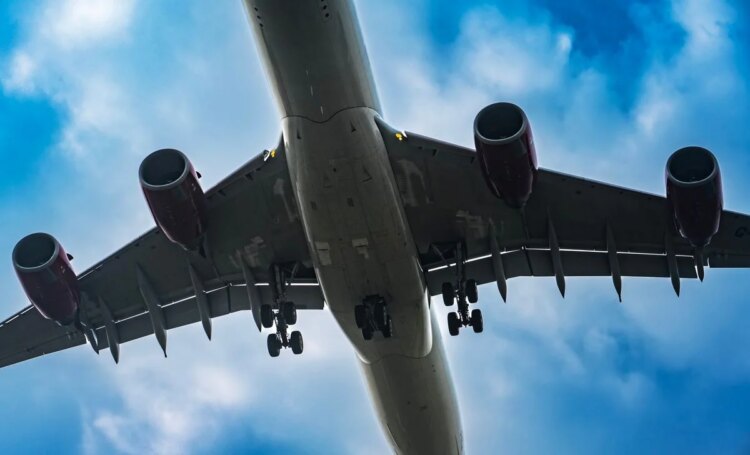
The International Air Transport Association (IATA), along with governments from Japan, Malaysia, and other industry stakeholders, issued a joint statement at COP30 urging global reaffirmation of the International Civil Aviation Organization (ICAO)’s leadership in addressing aviation emissions. The statement emphasizes the need for a unified approach to achieve net zero carbon emissions by 2050, stressing the importance of ICAO as the sole global authority for regulating international aviation emissions. Key points include the strengthening of the Carbon Offsetting and Reduction Scheme for International Aviation (CORSIA), the urgent implementation of Article 6 of the Paris Agreement, and caution against fragmented or unilateral measures that could divert funds from actual emission-reduction investments. The signatories caution that taxes and levies, such as ticket taxes, are not effective climate solutions and could harm connectivity and developing economies.
Key Points:
ICAO’s Central Role: The statement reaffirms ICAO’s authority under the UNFCCC and Kyoto Protocol as the sole body for regulating international aviation emissions, urging all states to uphold ICAO’s leadership and avoid duplicating mechanisms.
Strengthening CORSIA: Signatories call for enhanced implementation of CORSIA, which is crucial for achieving net zero emissions by 2050. CORSIA’s First Phase (2024-26) is expected to generate significant climate finance, supporting emission-reduction projects, particularly in developing countries.
Urgent Implementation of Article 6: The statement emphasizes the need for host countries to operationalize Article 6 of the Paris Agreement, issue Letters of Authorization (LoAs), and enable the release of CORSIA-Eligible Emissions Units (EEUs) to mobilize international climate finance and support sustainable development.
Actionable Takeaways:
Strengthen CORSIA Implementation: Governments should prioritize enhancing CORSIA’s implementation to ensure it meets its target of offsetting nearly 2 billion credits by 2035. This will directly support high-quality, independently verified emission-reduction projects, particularly in developing countries, advancing the Paris Agreement’s objectives and promoting sustainable development.
Operationalize Article 6: Host countries must take immediate steps to operationalize Article 6 of the Paris Agreement, issue Letters of Authorization (LoAs), and enable the release of CORSIA-Eligible Emissions Units (EEUs). This will mobilize international climate finance and support sustainable development, ensuring that aviation contributes to global climate goals without compromising connectivity.
Contextual Insights:
The joint statement by IATA and its stakeholders underscores the critical need for a coordinated global approach to address aviation emissions. With aviation being a catalyst for global connectivity and economic development, the industry must reaffirm ICAO’s leadership and accelerate climate action. The emphasis on CORSIA and Article 6 highlights the importance of robust global carbon markets in scaling up climate finance opportunities, which are central to the Baku to Belem Roadmap. This context aligns with current industry trends, where sustainability and connectivity are paramount. The statement also reflects the ongoing challenge of balancing environmental goals with the sector’s economic and connectivity imperatives, particularly for developing economies and Small Island States. As the travel industry continues to evolve, these insights provide a forward-looking perspective on the necessary steps to achieve net zero emissions while maintaining the sector’s vital role in global connectivity.
Read the Complete Article.
Boutique Travel VC raises investment cap from $1.5M to $10M to lead rounds and support portfolio companies through growth Travel...
Read moreDetails



Macau — July 12, 2024 In short: Macao's safety ranking and low crime rates solidify its status as a premier...
Read moreDetails
