Article Summary:
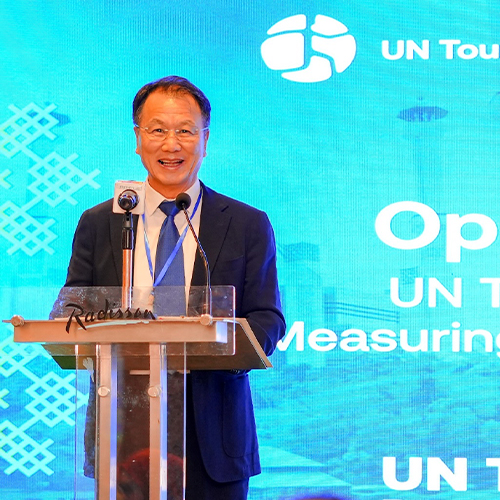
The Regional Workshop on Measuring the Sustainability of Tourism in Asia and the Pacific, held in Bandar Seri Begawan, Brunei Darussalam from November 18–20, 2025, convened over 100 participants from 11 UN Tourism Member States. Hosted by the Ministry of Primary Resources and Tourism of Brunei Darussalam, the workshop aimed to share experiences and practical approaches to measuring tourism sustainability. The event featured high-level dialogues and technical sessions focusing on the economic, social, and environmental dimensions of tourism sustainability. Delegates represented National Tourism Authorities, National Statistics Offices, and other key institutions, alongside international experts. The workshop combined discussions with practical sessions to address the multifaceted aspects of sustainable tourism, providing a platform for collaboration and knowledge exchange among key stakeholders in the region.
Key Points:
-
Participation and Representation: The workshop was attended by more than 100 participants from 11 UN Tourism Member States, including National Tourism Authorities, National Statistics Offices, and other key institutions. International experts also participated, highlighting a collaborative approach to the topic.
-
Focus on Sustainability: The primary focus of the workshop was on measuring the sustainability of tourism in Asia and the Pacific. This included discussions on the economic, social, and environmental dimensions of tourism, aiming to provide a comprehensive understanding of sustainable practices in the region.
-
Collaborative Platform: The event served as a platform for sharing experiences and learning practical approaches to tourism sustainability. This collaborative environment facilitated the exchange of knowledge and best practices among diverse stakeholders.
-
High-Level Dialogue and Technical Sessions: The workshop combined high-level dialogues with technical and participatory sessions. These sessions aimed to address the complexities of tourism sustainability, providing practical insights and solutions for stakeholders.
Actionable Takeaways:
-
Enhanced Collaboration Among Stakeholders: The workshop emphasized the importance of collaboration among National Tourism Authorities, National Statistics Offices, and other key institutions. This takeaway suggests that fostering stronger partnerships and information sharing among these entities can lead to more effective implementation of sustainable tourism practices across the region.
-
Comprehensive Approach to Sustainability: The focus on measuring the economic, social, and environmental dimensions of tourism sustainability provides a holistic framework for stakeholders. This approach encourages a balanced consideration of all aspects of tourism, ensuring that sustainability initiatives are well-rounded and impactful.
-
Utilization of International Expertise: The inclusion of international experts in the workshop underscores the value of leveraging global knowledge and best practices. This takeaway suggests that integrating international perspectives can enhance the effectiveness of sustainability initiatives, providing innovative solutions and insights that may not be available locally.
Contextual Insights:
The Regional Workshop on Measuring the Sustainability of Tourism in Asia and the Pacific reflects a growing global emphasis on sustainable tourism practices. As the travel industry continues to recover and evolve, there is an increasing recognition of the need to balance economic growth with environmental and social responsibility. The workshop’s focus on practical approaches to sustainability aligns with current industry trends, where stakeholders are increasingly prioritizing sustainability as a core component of their operations.
In the context of travel tech and fintech, the workshop highlights the importance of integrating sustainable practices into digital platforms and financial systems. For instance, the development of eco-friendly travel apps, carbon offsetting technologies, and sustainable payment solutions can significantly contribute to reducing the environmental impact of tourism. Furthermore, the workshop’s emphasis on collaboration suggests that partnerships between travel startups, fintech companies, and traditional tourism stakeholders can drive innovation and accelerate the adoption of sustainable practices.
As the travel industry continues to navigate the challenges posed by global events and changing consumer preferences, the insights from this workshop provide a valuable roadmap for stakeholders. By focusing on comprehensive sustainability measures, fostering collaboration, and leveraging international expertise, the travel sector can enhance its resilience and contribute to a more sustainable future.
Read the Complete Article.