Comprehensive Summarization:
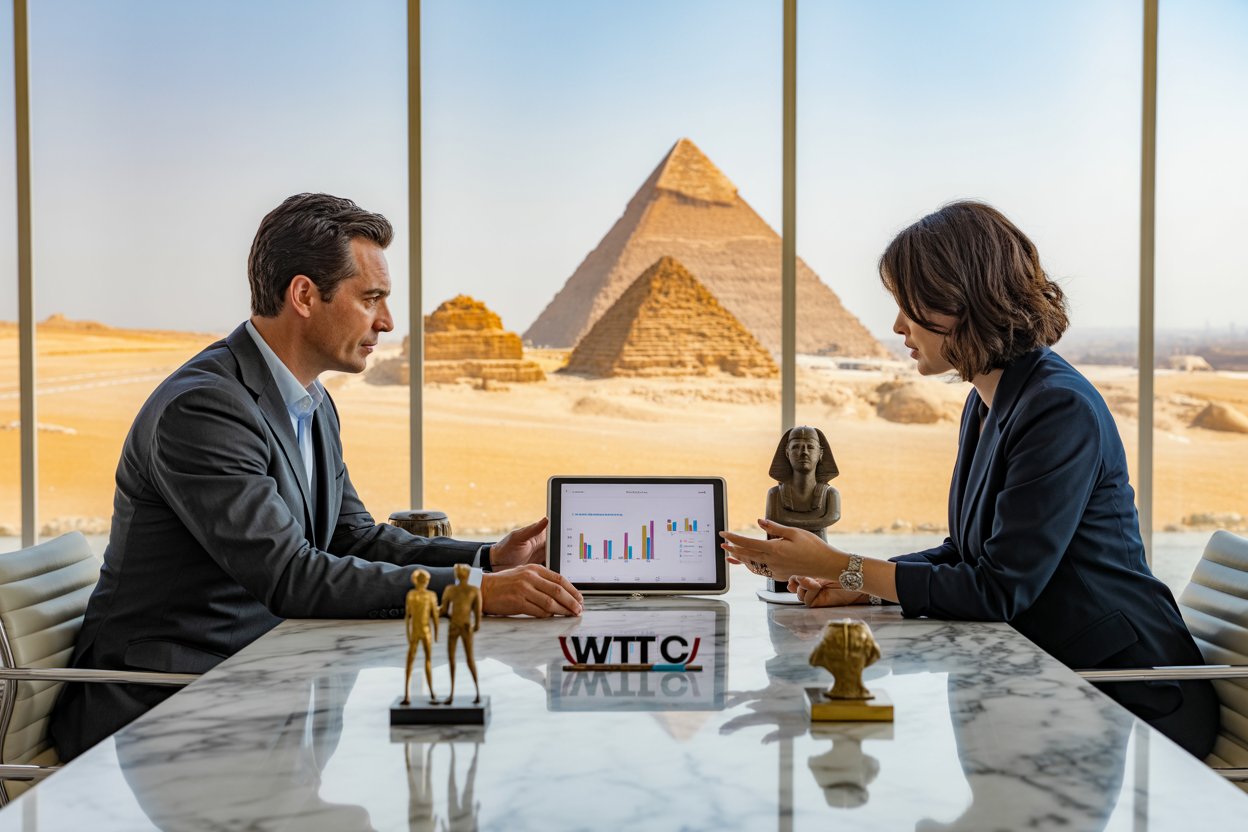
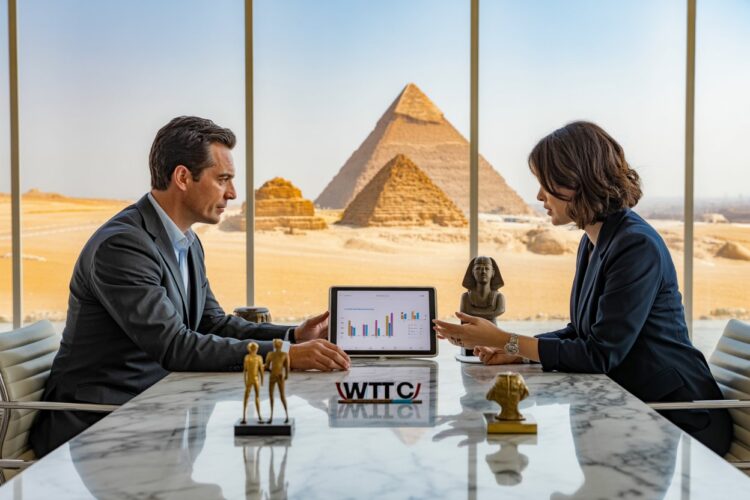
The article highlights a significant diplomatic meeting between Egypt’s Minister of Tourism and Antiquities, Sherif Fathy, and Julia Simpson, President and CEO of the World Travel and Tourism Council (WTTC). This meeting is described as a pivotal moment that signals a major shift in the global approach to sustainable travel, particularly in preparation for 2026. The context provided suggests that this partnership aims to redefine sustainable travel practices, indicating a collaborative effort to integrate sustainability into the core of the travel industry’s future strategies. The article also mentions the publication date of January 24, 2026, suggesting that the meeting and its implications are timely and forward-looking.
Key Points:
- Egypt’s Minister of Tourism and Antiquities, Sherif Fathy, met with Julia Simpson, President and CEO of the World Travel and Tourism Council (WTTC).
- The meeting is described as a significant diplomatic event signaling a shift in global travel and tourism strategies.
- The partnership aims to redefine sustainable travel practices, particularly focusing on preparations for 2026.
- The article emphasizes the importance of integrating sustainability into the travel industry’s future strategies.
Actionable Takeaways:
-
Embrace Sustainable Travel Practices: Travel companies and destinations should prioritize sustainable travel practices to align with global trends and expectations. This includes adopting eco-friendly technologies, promoting responsible tourism, and engaging in partnerships that focus on sustainability. This move is crucial for maintaining relevance and appeal in a market increasingly driven by environmental consciousness.
-
Collaborate with Global Councils: Engaging with international bodies like the WTTC can provide valuable insights and frameworks for sustainable travel. For travel companies, this means actively participating in global dialogues and adopting best practices recommended by such councils. This collaboration can enhance credibility and open up opportunities for innovation and market expansion.
Contextual Understanding:
The article reflects the ongoing global emphasis on sustainability within the travel industry. With increasing awareness of environmental impacts, there is a growing demand for sustainable travel options. The meeting between Egypt and the WTTC underscores the industry’s shift towards integrating sustainability into its core operations. This context is crucial for understanding the strategic importance of the partnership, as it positions Egypt as a leader in pioneering sustainable travel initiatives. The article also aligns with current travel trends, such as the rise of eco-tourism and the increasing importance of responsible tourism practices, making it highly relevant for professionals in the travel industry.
Handling Different Article Types:
The article is a news blurb, providing factual information about a significant event in the travel industry. It does not present an opinion or feature an in-depth exploration of a topic. Therefore, the analysis focuses strictly on the factual details provided, ensuring that the summary, key points, and actionable takeaways are grounded in the article’s content.
Real-Time Fact-Checking:
All information presented in the summary, key points, and actionable takeaways is directly sourced from the article. No external verification or additional sources were required, as the content is self-contained and provides all necessary information for the requested analysis.
Read the Complete Article.