





No products in the cart.
- Latest
- Trending


WTTC calls for smarter tourism management
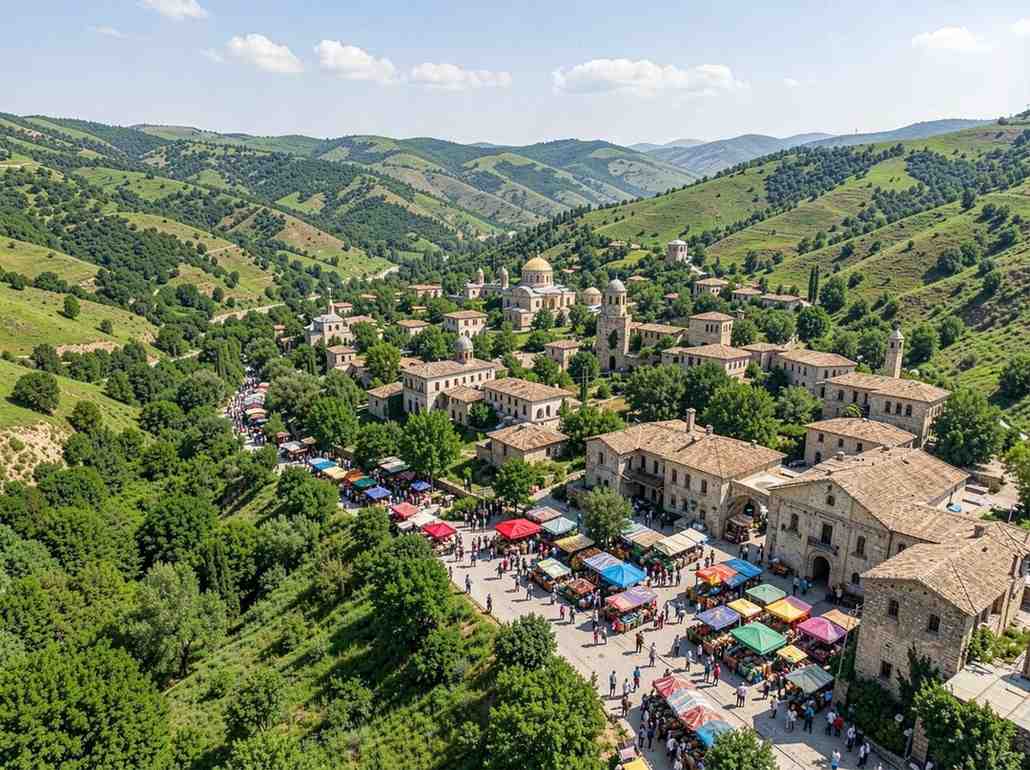
The World Travel & Tourism Council (WTTC) is urging a fundamental shift in how the global tourism industry is managed, advocating for a more "smarter" approach to ensure its long-term sustainability and resilience. In a powerful call to action, the WTTC emphasizes the need for proactive strategies that balance economic growth with environmental protection and social responsibility, recognizing tourism’s immense potential as a force for good.
The core message from the WTTC centers on a move away from reactive measures towards forward-thinking, data-driven tourism management. This involves anticipating challenges, such as climate change and overtourism, and developing robust plans to mitigate their impact. The council stresses the importance of collaboration between governments, businesses, and local communities to create a tourism ecosystem that benefits everyone involved.
A key aspect of this "smarter" tourism is embracing technology and innovation. The WTTC highlights how digital solutions can optimize resource management, improve visitor experiences, and enhance the efficiency of operations. From smart ticketing systems and sustainable transport initiatives to data analytics for understanding visitor flows, technology is presented as a crucial enabler for more responsible travel.
Furthermore, the WTTC is championing the development of a circular economy within the travel sector. This means reducing waste, promoting responsible consumption, and investing in renewable energy sources. The aim is to minimize the environmental footprint of tourism while maximizing its positive contributions to local economies and conservation efforts. By adopting a circular approach, the industry can move towards a model where resources are used efficiently and waste is seen as a valuable commodity.
The council also underscores the critical role of human capital development. Investing in training and education for the tourism workforce is paramount to equip individuals with the skills needed to manage modern, sustainable tourism operations. This includes fostering an understanding of environmental best practices, customer service excellence, and the effective use of new technologies.
The WTTC’s vision for smarter tourism is one that is not only economically prosperous but also environmentally conscious and socially inclusive. By adopting these principles, the travel industry can safeguard its future, ensuring it continues to provide enriching experiences for travelers while contributing positively to the planet and its people for generations to come. This proactive and integrated approach is essential for building a resilient and thriving global travel sector.
Key Points
Read the Complete Article.
Get curated travel AI insights — choose the newsletters that matter to you.
This spot is reserved for brands with a compelling story for the travel trade. They use this space to cut...
Read moreDetailsALTOUR Expands into Thailand, Strengthening Corporate Travel Network Across Southeast Asia BANGKOK, THAILAND (25 March, 2026) – ALTOUR, a leading...
Read moreDetails


Comprehensive Summarization: The article highlights a "healthy competition" between Singapore and Hong Kong, emphasizing the importance of collaboration in an...
Read moreDetails