












Travel Capitalist Ventures Expands Check Size to $10 Million to Deepen Emerging Market Conviction
Boutique Travel VC raises investment cap from $1.5M to $10M to lead rounds and support portfolio companies through growth Travel...
Read moreDetails
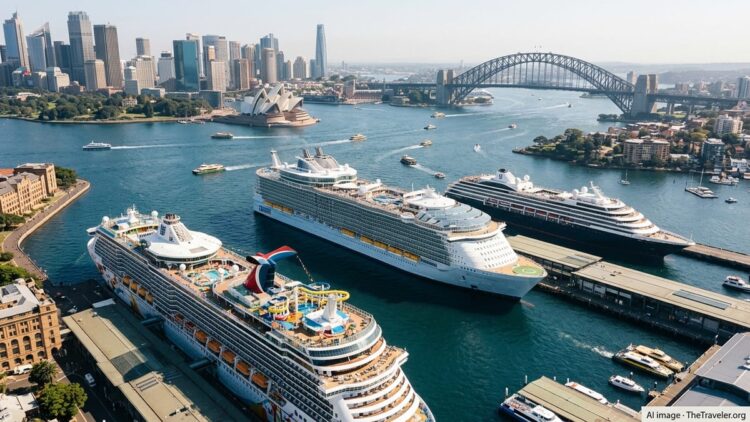
UK Rises Among Global Tourism Powerhouses, WTTC Finds
Comprehensive Summarization:
The United Kingdom is highlighted as one of the world’s leading tourism powerhouses, alongside the United States, Italy, Spain, Greece, Australia, and France. This recognition comes from the World Travel & Tourism Council (WTTC), which reports that the UK is experiencing record economic gains as part of a global travel surge. The article emphasizes the UK’s emergence at the forefront of this travel boom, underscoring its significance in the global tourism landscape. The focus is on the economic impact of this surge, positioning the UK as a key player in the recovery and growth of the travel industry.
Key Points:
Actionable Takeaways:
Contextual Insights:
The article reflects the current state of the travel industry, which is experiencing a significant recovery phase following the global disruptions caused by the COVID-19 pandemic. The emergence of the UK as a leading tourism destination underscores the resilience and adaptability of the sector. Recent trends indicate a shift towards experiential travel, where travelers seek unique, immersive experiences over traditional sightseeing. Additionally, the integration of technology in travel, such as mobile apps for seamless booking and navigation, has become a critical factor in enhancing customer satisfaction and operational efficiency. Thought leaders emphasize the importance of sustainability and responsible tourism practices, aligning with global efforts to mitigate the environmental impact of travel. These insights suggest that the future of the travel industry lies in balancing economic growth with environmental stewardship and technological innovation.
Read the Complete Article.
Boutique Travel VC raises investment cap from $1.5M to $10M to lead rounds and support portfolio companies through growth Travel...
Read moreDetails




