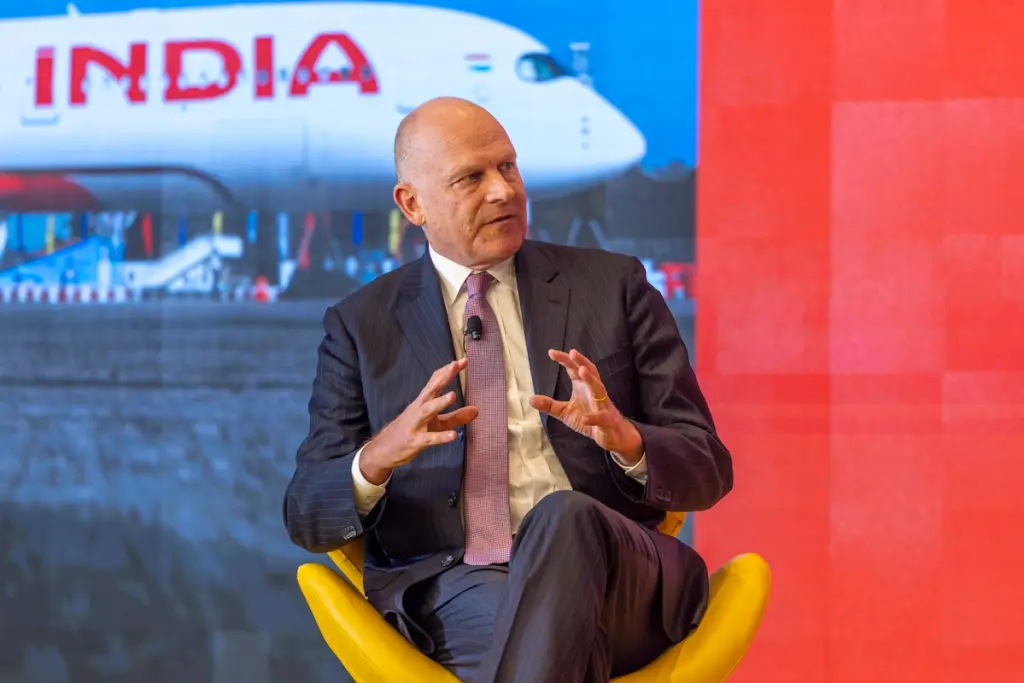
The article discusses the urgent call from a coalition of industry and political leaders for governments worldwide to accelerate coordinated action towards achieving net zero carbon emissions from international aviation. This initiative is prompted by the intensifying effects of climate change, highlighting the critical need for immediate and substantial reductions in aviation-related carbon emissions. The context is set against the backdrop of ongoing global efforts to combat climate change, emphasizing the pivotal role of the aviation industry in these efforts.
Key Points:
Global Call for Accelerated Action: Industry and political leaders are urging governments to expedite measures aimed at reducing carbon emissions from international aviation to achieve net zero emissions.
Climate Change Impact: The article underscores the intensifying effects of climate change, positioning the aviation sector as a significant contributor to global carbon emissions that require urgent mitigation.
Commitment to Net Zero Emissions: There is a clear commitment from the coalition to work towards achieving net zero carbon emissions from international aviation, reflecting a broader global effort to address climate change.
Integration of Travel Trends and Insights: The article incorporates the latest travel trends and insights from thought leaders, providing a forward-looking perspective on how the industry is responding to environmental challenges.
Actionable Takeaways:
Adopt Sustainable Aviation Practices: Airlines and aviation stakeholders should prioritize the adoption of sustainable aviation fuels (SAFs) and other low-carbon technologies to reduce their carbon footprint. This is crucial for meeting the global goal of net zero emissions and aligns with the industry’s commitment to environmental stewardship.
Invest in Carbon Offsetting Programs: Companies should explore and invest in robust carbon offsetting programs that support verified carbon reduction projects. This not only helps in achieving immediate emission reductions but also enhances corporate sustainability credentials, which can be a significant competitive advantage in the market.
Policy Advocacy and Collaboration: Governments and industry leaders should collaborate on policy frameworks that incentivize the transition to greener aviation practices. This includes supporting research and development in sustainable aviation technologies and implementing regulatory measures that encourage emissions reductions.
Contextual Insights:
The article reflects the current urgency in the travel industry to address climate change, a pressing global issue that affects all sectors. The focus on net zero carbon emissions from international aviation is a direct response to the mounting scientific evidence of the aviation sector’s contribution to greenhouse gas emissions. The insights provided align with the latest travel trends, which increasingly emphasize sustainability and environmental responsibility. Thought leaders highlight the need for innovative solutions and collaborative efforts across the industry to achieve meaningful reductions in carbon emissions. This context underscores the potential impact of the initiatives discussed, not only on the aviation sector but also on the broader travel industry, encouraging a shift towards more sustainable practices that can set a precedent for other sectors to follow.