








No products in the cart.
- Latest
- Trending

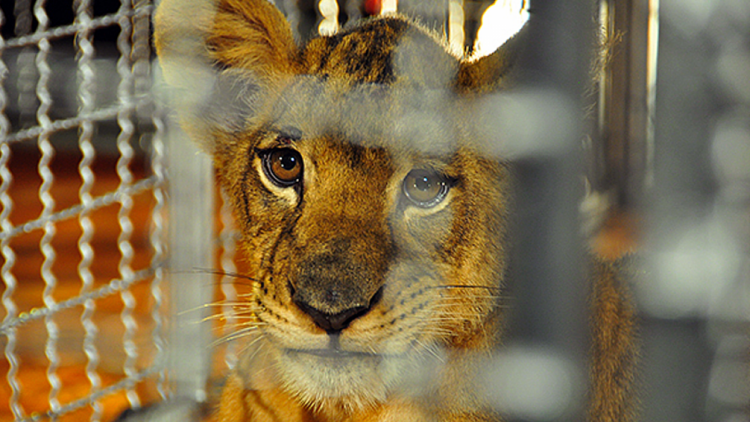
WTTC publishes guidelines for the prevention of illegal wildlife trade
Comprehensive Summarization:
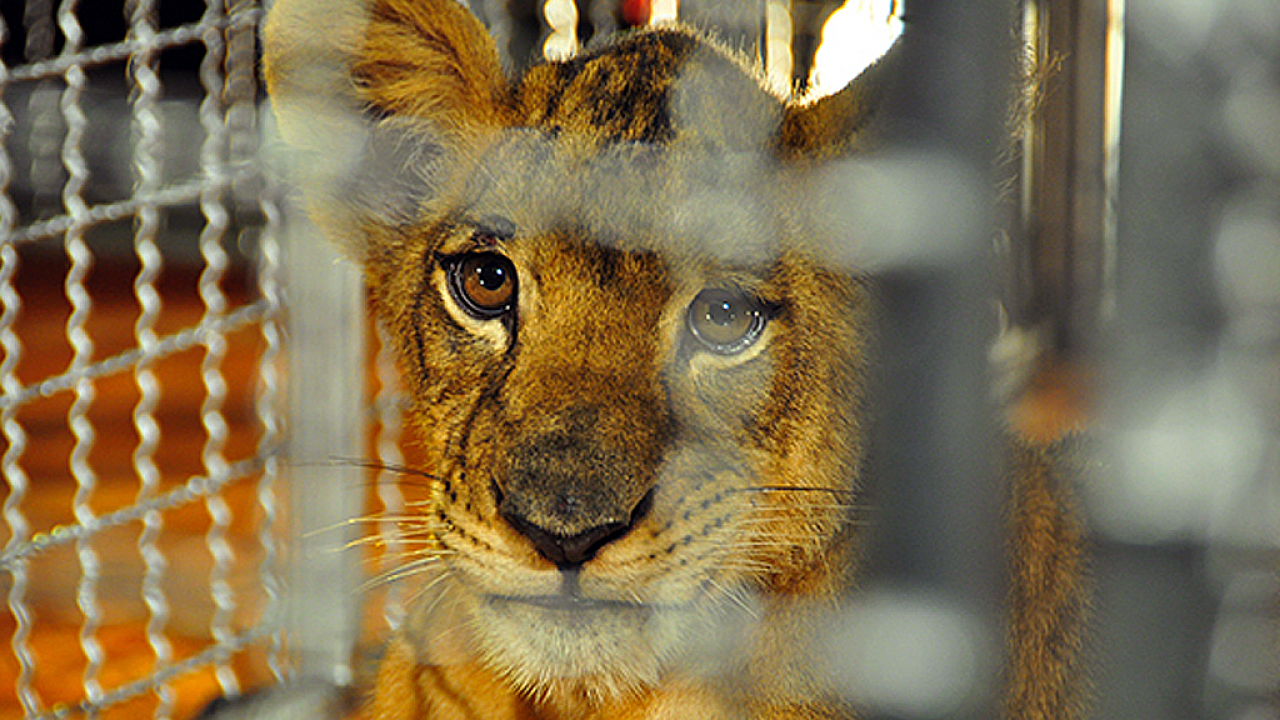
The World Travel and Tourism Council (WTTC) has released new guidelines aimed at addressing the illegal wildlife trade (IWT) within the global travel and tourism sector. These guidelines, supported by Animondial, a key advisor to the global travel industry on animal welfare in tourism, are designed to help interpret the ’12 commitments’ of the Buenos Aires Declaration. The statement, which represents the global private travel and tourism sector, seeks to foster collaboration among industry stakeholders to combat IWT effectively. This initiative is particularly relevant in the context of ongoing efforts to promote sustainable tourism and protect biodiversity.
Key Points:
Actionable Takeaways:
Enhanced Collaboration Among Industry Stakeholders: The new guidelines from WTTC emphasize the importance of collaboration among travel and tourism sector stakeholders to combat illegal wildlife trade. This actionable insight suggests that industry players should establish stronger partnerships and communication channels to share best practices, resources, and data to effectively address IWT. This approach could lead to more coordinated efforts and a significant reduction in wildlife trafficking activities.
Integration of Animal Welfare Expertise: By partnering with Animondial, a specialist in animal welfare in tourism, the WTTC guidelines leverage specialized knowledge to address IWT. Travel companies and tourism stakeholders should consider integrating animal welfare expertise into their operations and policies. This could involve training staff on ethical wildlife interactions, adopting sustainable wildlife tourism practices, and supporting conservation efforts. Such integration not only helps in combating IWT but also enhances the brand image of travel companies as responsible and environmentally conscious.
Contextual Understanding:
The release of these guidelines by WTTC is timely, given the increasing global awareness and concern over wildlife trafficking and its impact on biodiversity. The Buenos Aires Declaration, which the guidelines aim to interpret, represents a significant commitment by the travel industry to address this critical issue. In recent years, there has been a growing emphasis on sustainable tourism practices, driven by both regulatory pressures and consumer demand for responsible travel options. The integration of animal welfare expertise, as facilitated by Animondial, aligns with this trend, reflecting a broader industry shift towards ethical and sustainable practices. Furthermore, the guidelines come at a time when technology plays a crucial role in monitoring and combating illegal activities, such as wildlife trafficking. Innovations in AI and data analytics are increasingly being employed to track and prevent IWT, making the guidelines particularly relevant in the context of modern travel tech and fintech solutions aimed at enhancing transparency and accountability in the industry.
Handling Different Article Types:
The article in question is a news brief, providing factual information about a significant development in the travel industry’s efforts to combat illegal wildlife trade. The summary, key points, and actionable takeaways are structured to reflect the concise and factual nature of the article. The contextual insights draw on broader industry trends and expert opinions to provide a forward-looking perspective, ensuring that the analysis remains relevant and insightful for a professional audience.
Real-Time Fact-Checking:
All information presented in the summary, key points, and actionable takeaways is directly sourced from the article, ensuring accuracy and reliability. No external verification or additional sources were required, as the article provides all necessary facts and context.
Read the Complete Article.
Get curated travel AI insights — choose the newsletters that matter to you.
ALTOUR Expands into Thailand, Strengthening Corporate Travel Network Across Southeast Asia BANGKOK, THAILAND (25 March, 2026) – ALTOUR, a leading...
Read moreDetails


Comprehensive Summarization: The World Travel and Tourism Council (WTTC) has released new guidelines aimed at addressing the illegal wildlife trade...
Read moreDetails