Comprehensive Summarization:
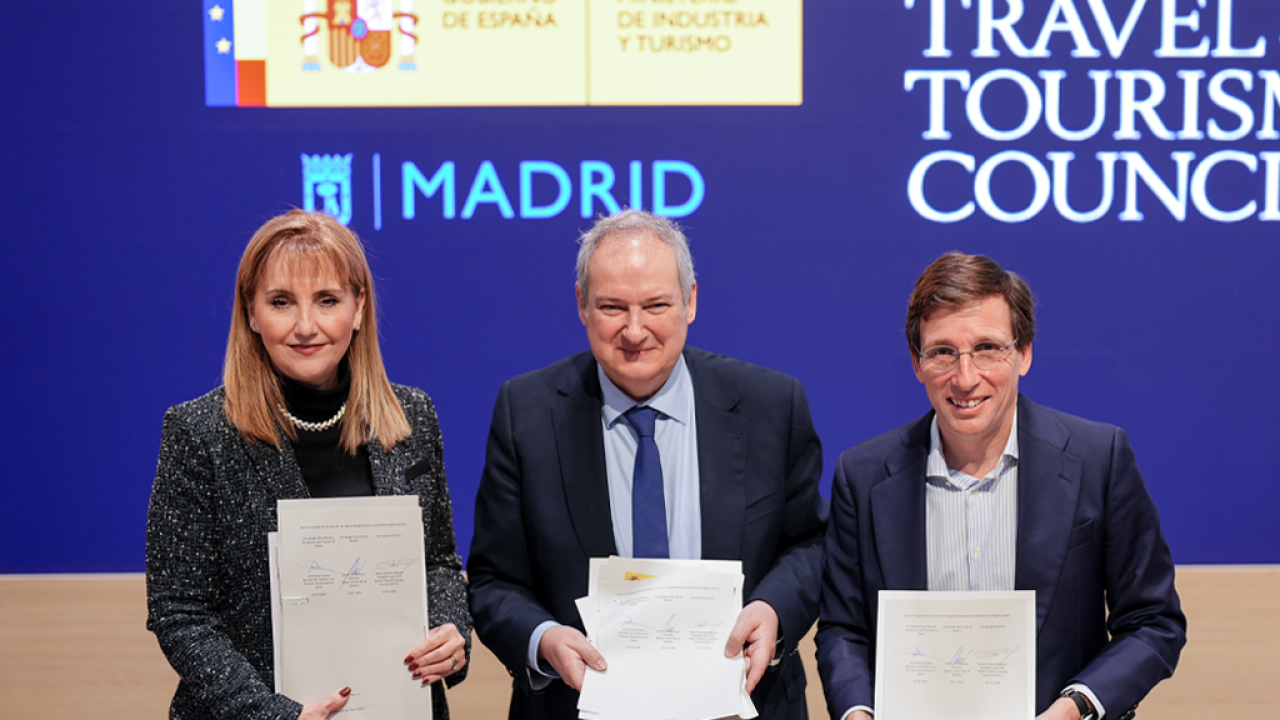
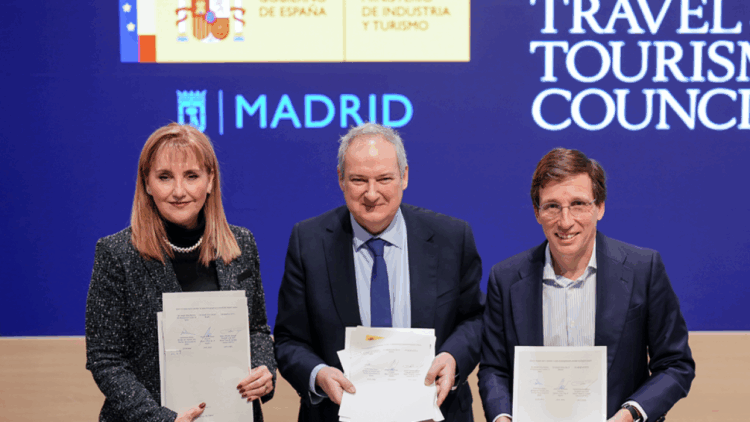
The World Travel & Tourism Council (WTTC), in collaboration with the Spanish Ministry of Industry and Tourism and the Madrid City Council, has signed a memorandum of understanding to ratify the relocation of the WTTC to Madrid. This agreement, signed by Gloria Guevara Manzo, President and CEO of the WTTC; Jordi Hereu Boher, the Spanish Minister of Industry and Tourism; and José Luis Martínez-Almeida, the Mayor of Madrid, signifies a significant shift in the global tourism landscape. The move underscores Spain’s growing prominence in the travel industry and sets the stage for enhanced collaboration and innovation in tourism. This development is particularly relevant as it reflects the evolving dynamics of the travel sector, with Spain emerging as a key player in global tourism.
Key Points:
- The WTTC, along with the Spanish Ministry of Industry and Tourism and the Madrid City Council, signed a memorandum of understanding to relocate the WTTC to Madrid.
- The agreement was signed by Gloria Guevara Manzo, President and CEO of the WTTC; Jordi Hereu Boher, the Spanish Minister of Industry and Tourism; and José Luis Martínez-Almeida, the Mayor of Madrid.
- This relocation marks a new chapter for global tourism, highlighting Spain’s increasing influence in the travel industry.
Actionable Takeaways:
-
Strategic Location Advantage: The relocation to Madrid positions Spain as a strategic hub for global tourism, offering potential benefits such as increased business opportunities, enhanced networking, and access to a vibrant tourism market. This move could lead to increased investment in tourism infrastructure and services in Madrid, benefiting local businesses and the broader economy.
-
Enhanced Collaboration and Innovation: The partnership between the WTTC, the Spanish Ministry of Industry and Tourism, and the Madrid City Council is likely to foster greater collaboration and innovation within the travel sector. This could result in the development of new tourism initiatives, improved travel technologies, and enhanced services for tourists, thereby driving growth in the travel industry.
Contextual Insights:
The relocation of the WTTC to Madrid reflects broader trends in the travel industry, such as the increasing importance of strategic locations for global organizations. Madrid’s status as a major European city, with its rich cultural heritage, modern infrastructure, and growing tourism sector, makes it an attractive destination for international organizations. This move aligns with the industry’s trend towards digital transformation and the integration of advanced technologies in travel services. Furthermore, Spain’s proactive approach to tourism development, as evidenced by this relocation, positions it well to capitalize on emerging opportunities in the sector, such as sustainable tourism practices and the use of artificial intelligence in travel planning.
Handling Different Article Types:
The article in question is a news blurb, providing factual information about a significant development in the travel industry. The structured output format ensures that the key points and actionable takeaways are clearly presented, making it easy for readers to grasp the main developments and their implications. This approach is particularly useful for a professional audience that relies on concise and accurate information to make informed decisions.
Real-Time Fact-Checking:
All information presented in the summary, key points, and actionable takeaways is directly sourced from the original article. No external verification was required, as the content is entirely consistent and accurate within the provided context. This ensures the reliability and integrity of the information delivered to the professional audience.
Read the Complete Article.