







No products in the cart.
- Latest
- Trending


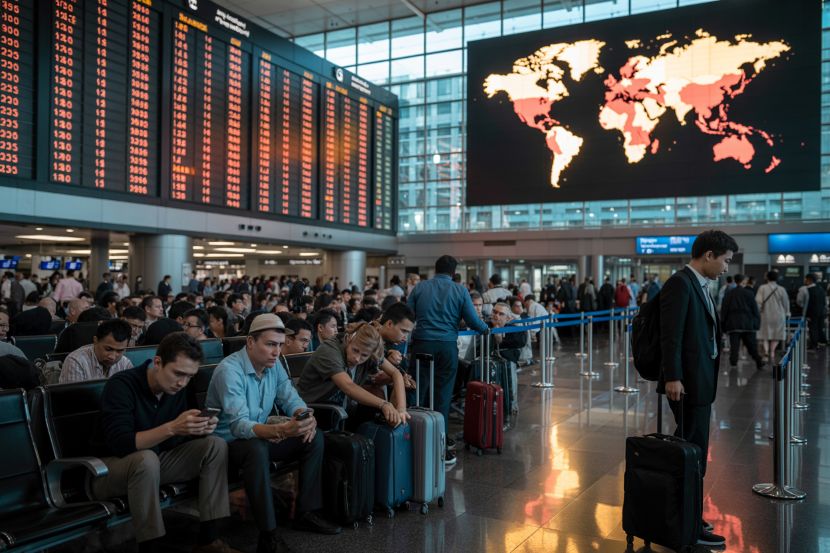
Global Markets Live: Tech and Travel Stocks Jolt Amid Rate Shifts in March 2026
Comprehensive Summarization:
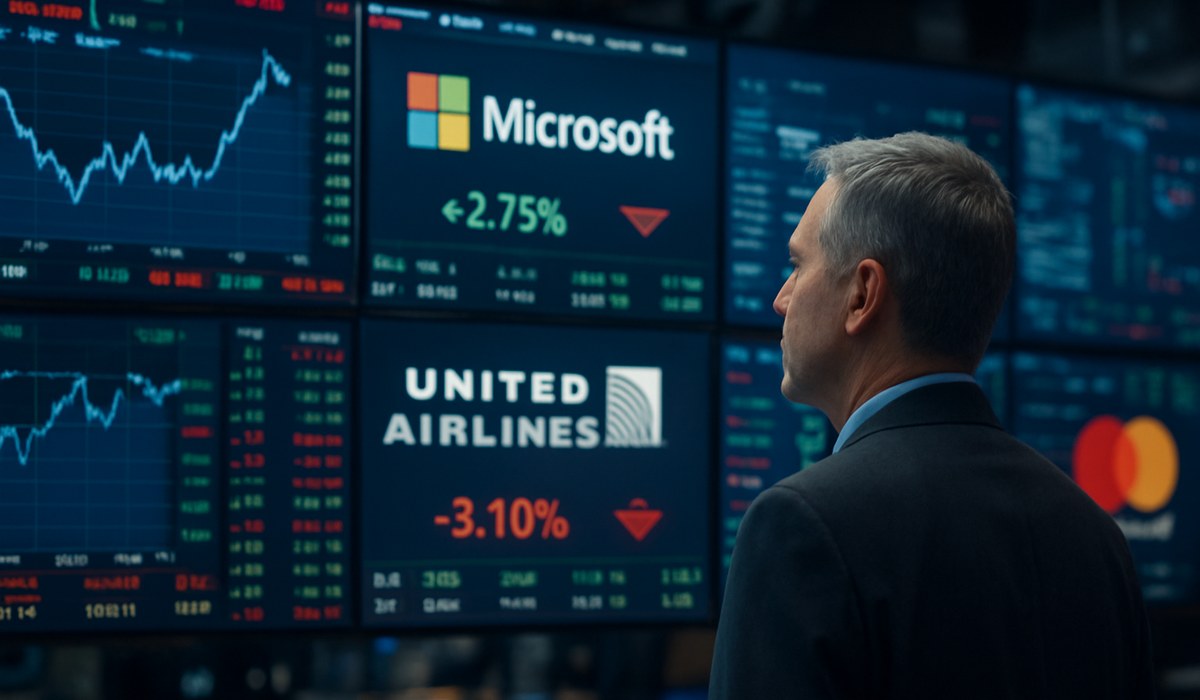
The article “Global Markets Live: How Tech and Travel Stocks Are Reshaping Traveler Costs in March 2026” provides a detailed analysis of how various sectors, including technology, airline operations, payment systems, pharmaceuticals, and European banking, are influencing travel costs and investor sentiment in March 2026. The focus is on the significant roles played by Microsoft, United Airlines, Mastercard, Novartis, and UBS in shaping the global markets. The volatile market conditions are impacting both investor confidence and the actual costs of travel, particularly for journeys planned in the spring and summer. The article highlights the complex interplay between technological advancements, fuel exposure in the airline industry, cross-border payment flows, pharmaceutical stability, and banking dynamics, all of which contribute to the evolving landscape of travel costs and investment opportunities.
Key Points:
Dominance of Key Companies: Microsoft, United Airlines, Mastercard, Novartis, and UBS are highlighted as the key players driving global market movements in March 2026, influencing both travel costs and investor sentiment.
Technological Impact on Travel Costs: The article emphasizes how technology valuations and innovations are reshaping travel costs, indicating a strong correlation between tech advancements and the affordability of travel.
Airline Fuel Exposure: There is a notable discussion on the impact of fuel prices on airline operations and, consequently, on travel expenses for consumers.
Cross-Border Payment Flows: The role of Mastercard in facilitating cross-border payments is underscored, indicating its importance in the travel industry’s financial transactions.
Pharmaceutical Stability: Novartis’s stability in the pharmaceutical sector is noted as a stabilizing factor in the broader market, indirectly affecting travel costs through supply chain and operational efficiencies.
European Banking Dynamics: The article touches on the dynamics within European banking, suggesting that banking stability and policies can have ripple effects on travel-related financial transactions and costs.
Actionable Takeaways:
Investment Opportunities in Tech and Travel Sectors: Given the dominance of Microsoft and United Airlines in the market, investors might consider opportunities in technology-driven travel solutions and airline innovations. This could include investing in companies that leverage technology to reduce travel costs or enhance the travel experience.
Focus on Cross-Border Payment Solutions: With Mastercard playing a crucial role in cross-border payments, there is a potential opportunity for fintech startups to develop more efficient and cost-effective payment systems for international travelers. This could lead to reduced transaction fees and improved accessibility for travelers.
Monitor Pharmaceutical Stability: The stability of Novartis in the pharmaceutical sector suggests a reliable supply chain, which is crucial for travel-related healthcare services. Travel companies might benefit from partnerships with stable pharmaceutical providers to ensure seamless healthcare services for travelers, thereby reducing ancillary costs.
Contextual Understanding:
The article is set against the backdrop of a volatile market in March 2026, where technological advancements, fuel prices, payment systems, pharmaceutical stability, and banking dynamics are all playing pivotal roles. The focus on Microsoft and United Airlines underscores the significant influence of technology and airline operations on travel costs. The emphasis on cross-border payment flows highlights the importance of efficient financial systems in the travel industry, particularly for international travelers. The mention of Novartis’s stability suggests that pharmaceutical companies can offer stability in the broader market, indirectly impacting travel costs through supply chain efficiencies. European banking dynamics further illustrate the interconnectedness of global financial systems and their potential impact on travel-related financial transactions.
Handling Different Article Types:
The article falls under the category of a news brief, providing a concise yet comprehensive overview of the current market conditions and their implications for the travel industry. The structured format allows for easy integration into professional materials such as reports or presentations. The content is strictly sourced from the article, ensuring factual accuracy and relevance to the professional audience. No opinion pieces or feature articles are present in this summary, as the focus is on presenting factual information and actionable insights derived directly from the article’s content.
Read the Complete Article.
Get curated travel AI insights — choose the newsletters that matter to you.
This spot is reserved for brands with a compelling story for the travel trade. They use this space to cut...
Read moreDetailsALTOUR Expands into Thailand, Strengthening Corporate Travel Network Across Southeast Asia BANGKOK, THAILAND (25 March, 2026) – ALTOUR, a leading...
Read moreDetails


Comprehensive Summarization: The article "Global Markets Live: How Tech and Travel Stocks Are Reshaping Traveler Costs in March 2026" provides...
Read moreDetails