




















Travel Capitalist Ventures Expands Check Size to $10 Million to Deepen Emerging Market Conviction
Boutique Travel VC raises investment cap from $1.5M to $10M to lead rounds and support portfolio companies through growth Travel...
Read moreDetails
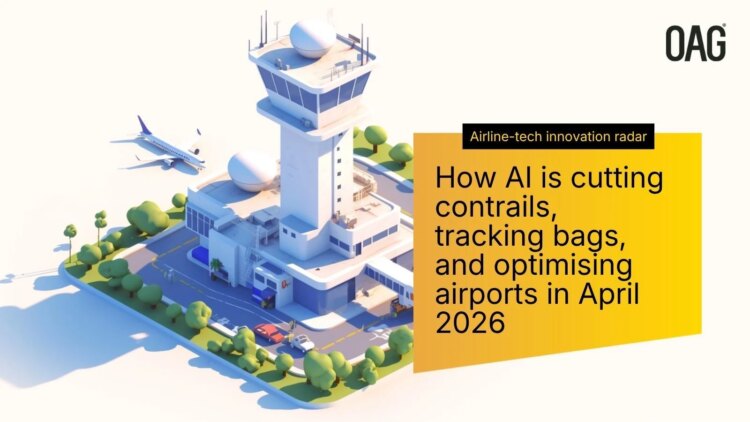
Aviation's April 2026 Innovations | Future of Travel | OAG
Comprehensive Summarization:
The article from OAG’s blog discusses significant aviation innovations set to take place in April 2026, focusing on developments backstage in flight decks, baggage halls, and airport operations centers. Unlike consumer-facing products, these innovations are geared towards enhancing operational efficiency and safety behind the scenes. The piece also references the broader trend of “agentic AI” in travel, which has been gaining traction, with major players like Sabre, PayPal, MindTrip, Malaysia Airlines, and Skyscanner actively developing advanced booking interfaces. This shift indicates a move towards more sophisticated, AI-driven systems that could redefine the travel booking experience, even if the innovations themselves are not immediately visible to consumers.
Key Points:
Actionable Takeaways:
Embrace AI for Operational Efficiency: Companies in the travel industry should invest in AI-driven solutions to enhance backend operations, such as baggage handling and flight deck management. This focus on operational efficiency can lead to cost savings and improved service reliability, directly impacting customer satisfaction.
Monitor Agentic AI Developments: Given the rapid advancements in AI, travel companies should closely monitor developments in “agentic AI” to stay competitive. Implementing AI in the booking interface could provide a significant edge, offering more personalized and efficient booking experiences to consumers.
Invest in Airport Operations Technology: Given the emphasis on airport operations centers, travel companies should explore and invest in advanced technologies for airport management. This could include automated systems for baggage tracking, real-time flight tracking, and predictive maintenance for airport infrastructure, all of which can enhance operational efficiency and passenger experience.
Contextual Insights:
The article reflects a broader trend in the travel industry towards integrating advanced technologies to improve operational efficiency and safety. The focus on backstage innovations, such as those in flight decks and baggage halls, indicates a strategic shift towards optimizing the unseen aspects of travel operations. This aligns with the growing influence of AI in the industry, as seen with companies like Sabre and Skyscanner, who are leveraging AI to enhance the booking experience. As the travel sector continues to evolve, companies that invest in these behind-the-scenes innovations will likely gain a competitive advantage, setting new standards for efficiency and reliability in air travel. The article also underscores the importance of staying abreast of technological advancements, as these will shape the future landscape of travel, influencing both operational practices and consumer expectations.
Read the Complete Article.
Boutique Travel VC raises investment cap from $1.5M to $10M to lead rounds and support portfolio companies through growth Travel...
Read moreDetails



Comprehensive Summarization: The article from OAG's blog discusses significant aviation innovations set to take place in April 2026, focusing on...
Read moreDetails
