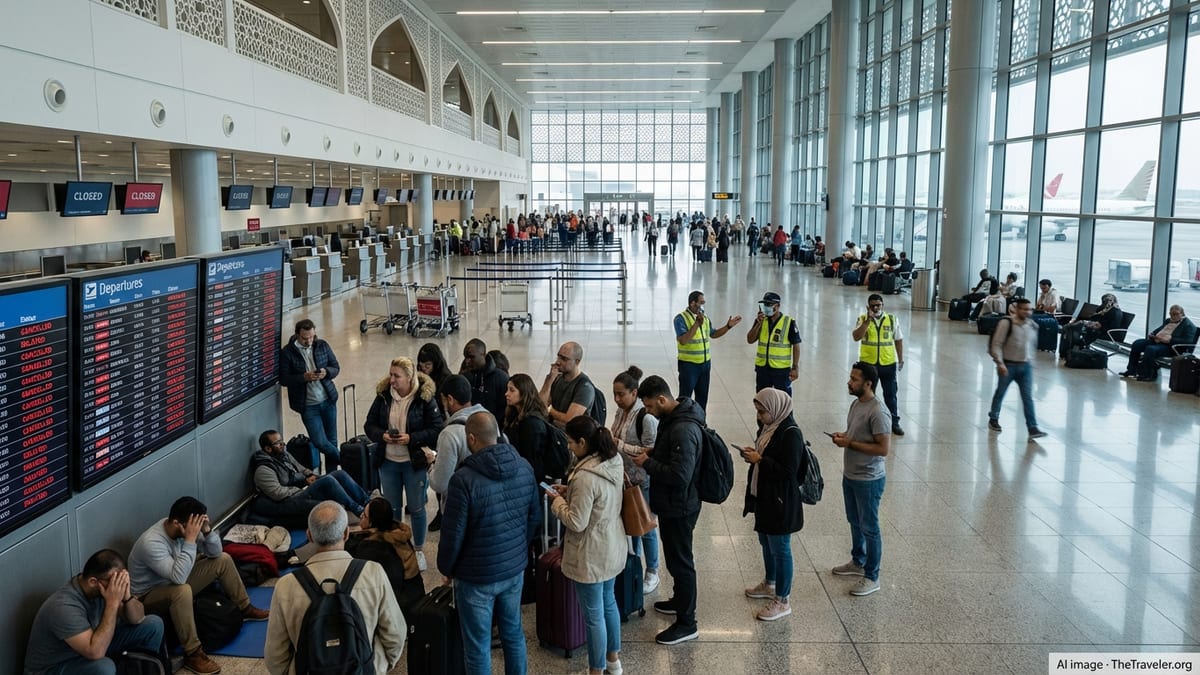
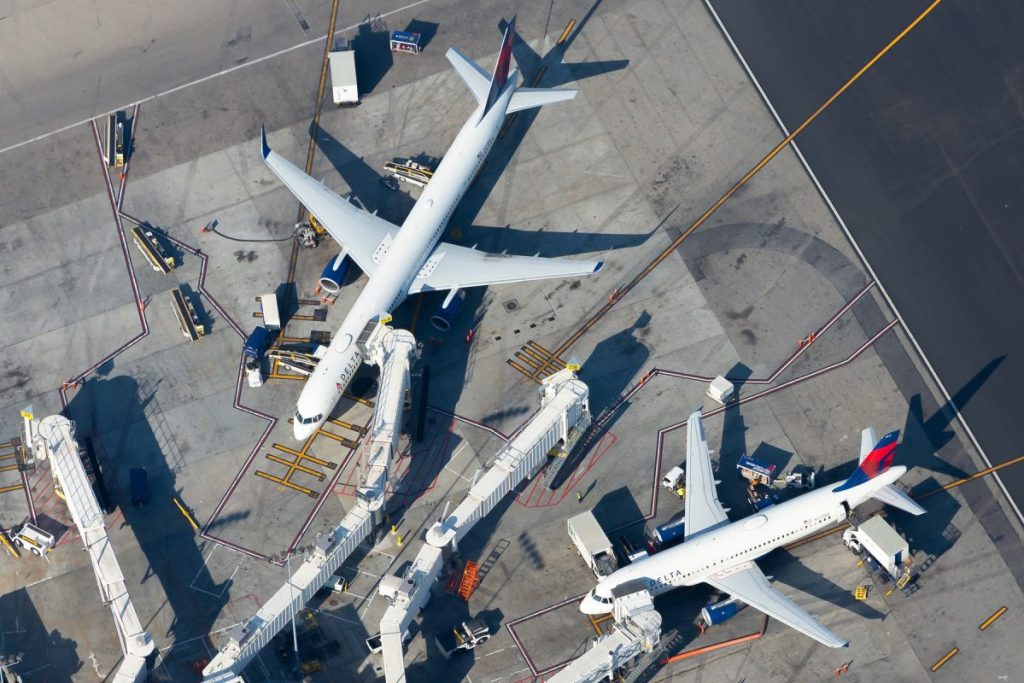
The article discusses the growing challenge faced by airports due to increasing passenger volumes and complex airport ecosystems. It highlights that the bottleneck is not in physical infrastructure like runways, gates, or terminals, but in the coordination and optimization of operations. SITA’s new white paper emphasizes that merely optimizing individual processes is insufficient. Instead, airports need to align their operations to unlock hidden capacity. The article underscores the importance of integrated decision-making across teams and systems to enhance airport performance in the face of evolving travel demands.
Key Points:
Airport performance is increasingly constrained by operational coordination and optimization rather than physical infrastructure.
Fragmented decision-making across teams and systems is identified as the real operational bottleneck.
SITA’s white paper suggests that optimizing individual processes is no longer sufficient for addressing the challenges faced by modern airports.
Aligning operations across the airport ecosystem is crucial to unlocking hidden capacity and improving overall performance.
The article reflects the evolving nature of travel tech, emphasizing the need for integrated solutions to manage complex airport ecosystems.
Actionable Takeaways:
Integrated Operations for Enhanced Airport Performance: Adopt a holistic approach to airport operations by aligning decisions and processes across teams and systems. This integration can help unlock hidden capacity and improve overall efficiency, directly addressing the identified bottleneck in airport management.
Invest in Advanced Decision-Making Tools: Given the complexity of modern airport ecosystems, investing in advanced decision-making tools and technologies is essential. These tools can facilitate better coordination and optimization, ensuring that airports can handle growing passenger volumes effectively.
Embrace Technological Innovations: The article underscores the importance of aligning operations with technological advancements. Travel tech innovations, such as integrated management systems and real-time data analytics, can significantly enhance operational efficiency and capacity, making them a priority for airports aiming to stay competitive.
Contextual Insights:
The article’s focus on operational coordination and optimization in the context of growing passenger volumes and complex airport ecosystems reflects the current challenges faced by the travel industry. As airports strive to accommodate increasing numbers of travelers, the need for integrated and efficient decision-making processes becomes paramount. This trend aligns with broader industry shifts towards digital transformation and the adoption of advanced technologies to manage complex operations. Furthermore, the emphasis on aligning operations across teams and systems resonates with the growing importance of data-driven decision-making in the travel sector. By leveraging insights from thought leaders and recent developments in travel tech, airports can position themselves to meet future demands effectively, ensuring sustainable growth and enhanced passenger experiences.