Article Summary:
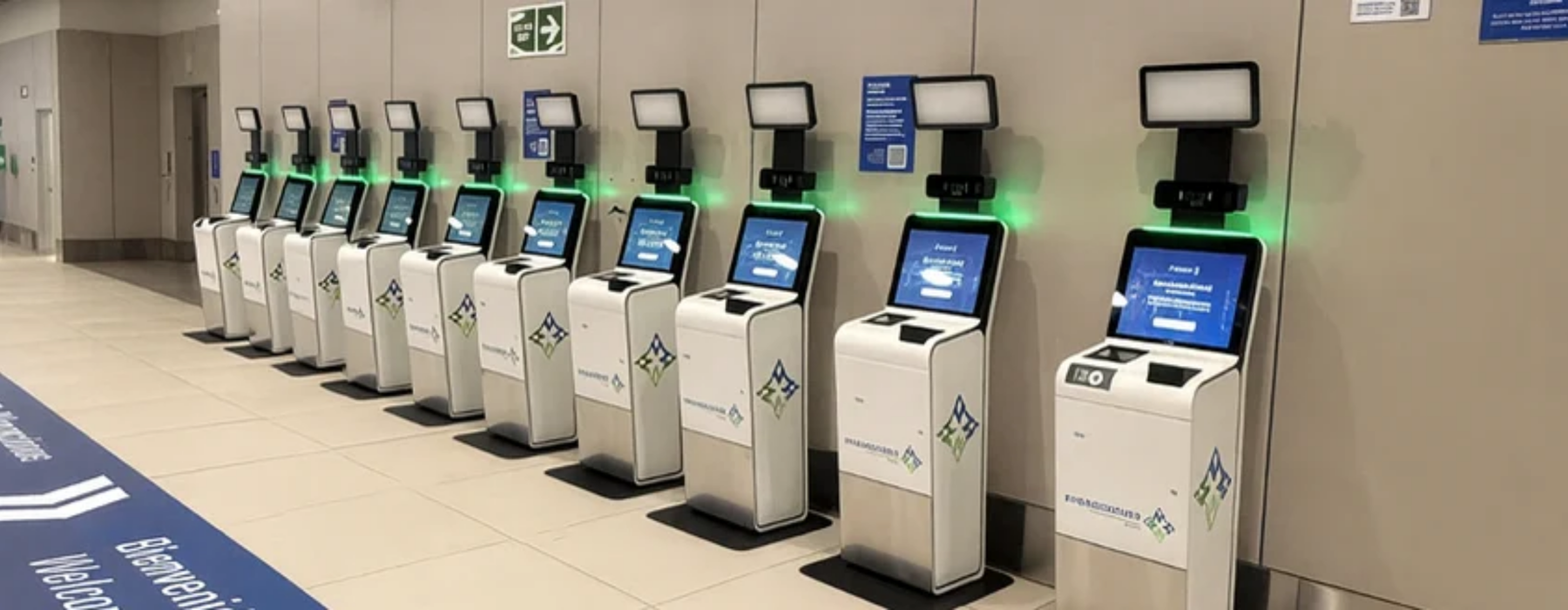
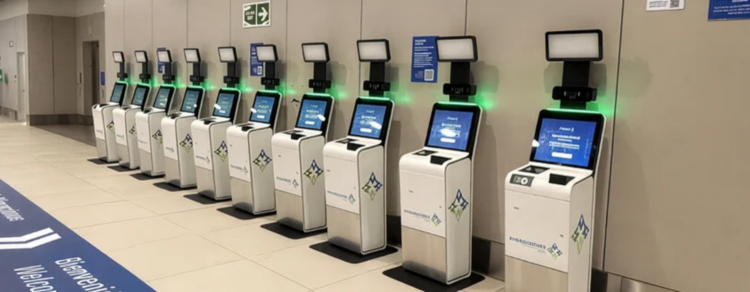
Peru has launched a fully automated immigration system at the new terminal of Lima’s Jorge Chávez International Airport, in partnership with SITA. This initiative is set to lead the way in fast, secure, and seamless border crossings in Latin America, addressing the region’s soaring passenger volumes and border pressures. The system was selected following an international tender, marking a significant advancement in travel technology and border management in the region.
Key Points:
Peru has introduced a fully automated immigration system at Lima’s Jorge Chávez International Airport.
The system is a collaborative effort between Peru and SITA, aimed at enhancing border crossing efficiency and security.
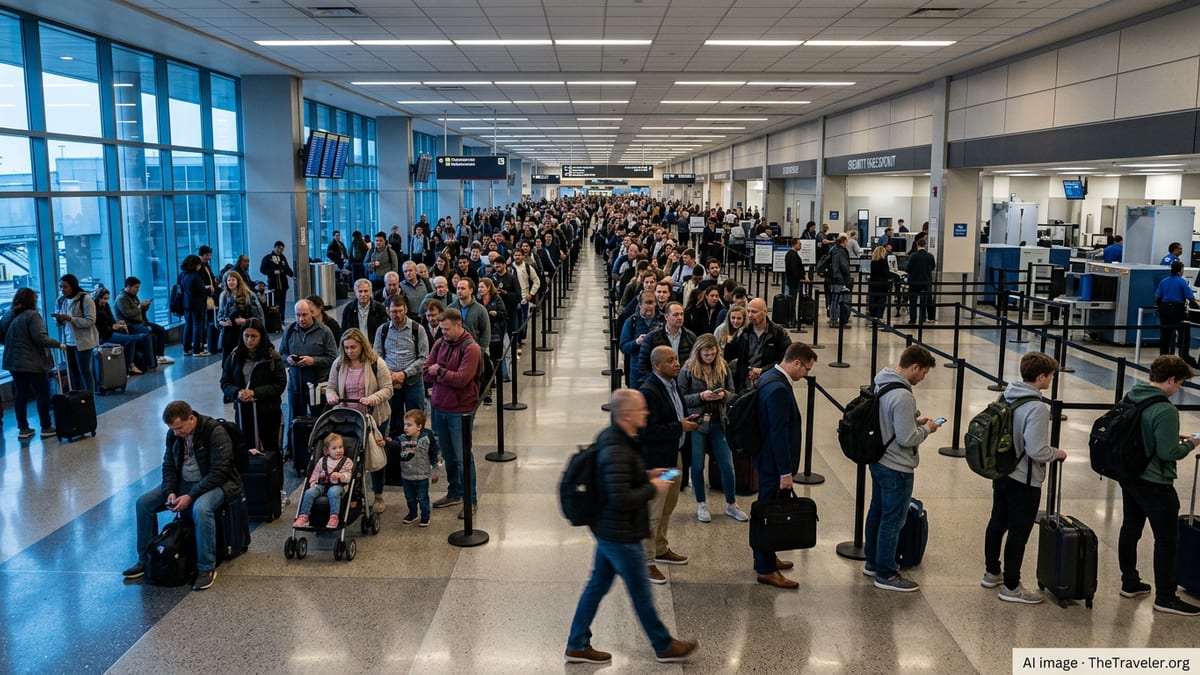
The initiative is a response to the increasing passenger volumes and border pressures in the region.
The system is designed to be fast, secure, and seamless, setting a new benchmark for Latin America.
Actionable Takeaways:
Enhanced Border Security and Efficiency: The implementation of an automated immigration system at Lima’s Jorge Chávez International Airport demonstrates Peru’s commitment to improving border security and efficiency. This innovation can serve as a model for other Latin American countries facing similar challenges, potentially leading to broader adoption of similar technologies across the region.
Partnership Model for Technological Advancement: The collaboration between Peru and SITA highlights the importance of public-private partnerships in driving technological advancements in the travel industry. Such partnerships can facilitate the rapid deployment of cutting-edge solutions, ensuring that airports and border control systems remain at the forefront of technological innovation.
Benchmark for Latin America: By setting a new benchmark for fast, secure, and seamless border crossings, Peru is positioning itself as a leader in travel technology within Latin America. Other countries in the region can learn from this initiative, adopting best practices and adapting them to their specific contexts to improve their own border management systems.
Contextual Insights:
The launch of Peru’s automated immigration system at Lima’s Jorge Chávez International Airport is a timely development in the context of the travel industry’s ongoing challenges. With passenger volumes soaring and borders under increasing pressure, the need for efficient and secure border crossing solutions has never been more critical. This initiative aligns with the broader trend of digital transformation in the travel sector, where technology plays a pivotal role in enhancing operational efficiency and passenger experience.
Moreover, the partnership between Peru and SITA underscores the growing importance of strategic collaborations between governments and technology providers in driving innovation. As the travel industry continues to evolve, such collaborations will likely become more prevalent, fostering an environment where technological advancements can be rapidly deployed to meet emerging challenges.
In the broader context of the travel industry, this development reflects the increasing emphasis on leveraging technology to address operational inefficiencies and enhance security. As thought leaders predict, the integration of advanced technologies such as automation and artificial intelligence will continue to shape the future of travel, offering new opportunities for startups and established players alike to innovate and thrive in a competitive landscape.