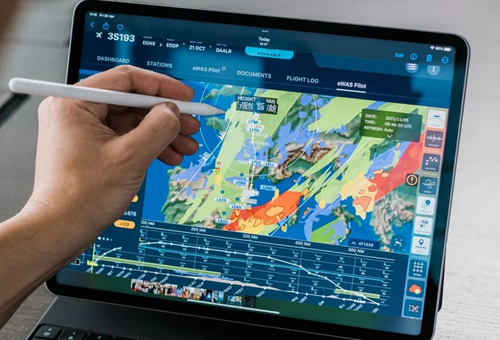
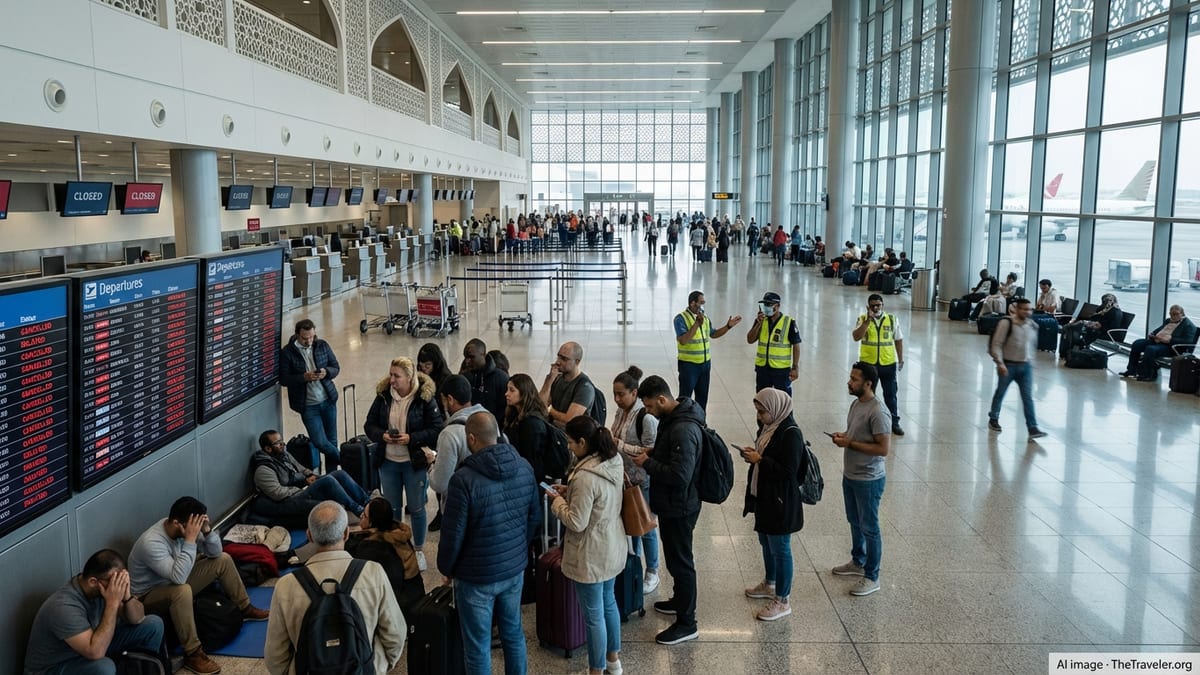
The article discusses the challenges faced in managing air traffic in Europe’s busy skies, particularly due to unpredictable weather conditions such as storms and turbulence. These weather-related issues often lead to thousands of flight delays annually, necessitating rapid decision-making by controllers to ensure safety and schedule adherence. To address these challenges, DSNA (Direction des Services Nationaux de l’Aviation), France’s air navigation service provider, has collaborated with SITA, a global leader in aviation technology, to trial real-time weather tools. These tools aim to provide air traffic controllers with up-to-the-minute weather information, enabling them to make more informed and timely decisions. The trial represents an innovative approach to integrating advanced weather technology into air traffic management, potentially improving efficiency and safety in European airspace.
Key Points:
DSNA and SITA have partnered to trial real-time weather tools designed to enhance air traffic management in Europe.
The primary goal of these tools is to provide air traffic controllers with real-time weather data, facilitating quicker and safer decision-making.
The trial aims to mitigate the impact of unpredictable weather conditions, such as storms and turbulence, which frequently cause flight delays.
By improving weather management, the initiative seeks to increase operational efficiency and safety in European airspace.
Actionable Takeaways:
Implementation of Real-Time Weather Tools: Air traffic management agencies should consider adopting real-time weather tools to enhance decision-making processes. This technology can lead to reduced delays and improved safety by providing controllers with timely and accurate weather information. The integration of such tools aligns with current industry trends towards leveraging technology for operational efficiency and safety in aviation.
Investment in Advanced Weather Technologies: Airlines and air navigation service providers should invest in advanced weather management technologies. These investments can lead to significant improvements in flight safety and operational efficiency, ultimately benefiting both the industry and passengers. As weather remains a critical factor in air travel, staying ahead with technological advancements is crucial for maintaining competitive advantage and meeting regulatory standards.
Contextual Insights:
The article reflects the ongoing challenges in air traffic management due to unpredictable weather conditions, a persistent issue in the aviation industry. The collaboration between DSNA and SITA to trial real-time weather tools underscores a broader industry trend towards integrating cutting-edge technology to address operational challenges. This initiative is particularly relevant in the context of increasing air traffic volumes and the growing complexity of managing airspace, especially in regions like Europe where weather conditions can be particularly volatile. The adoption of such technologies not only addresses immediate operational challenges but also positions airlines and air navigation service providers to meet future demands for safety and efficiency. Furthermore, as the travel industry continues to evolve, with increasing emphasis on safety and sustainability, innovations in weather management technologies will likely play a pivotal role in shaping the future of air travel.