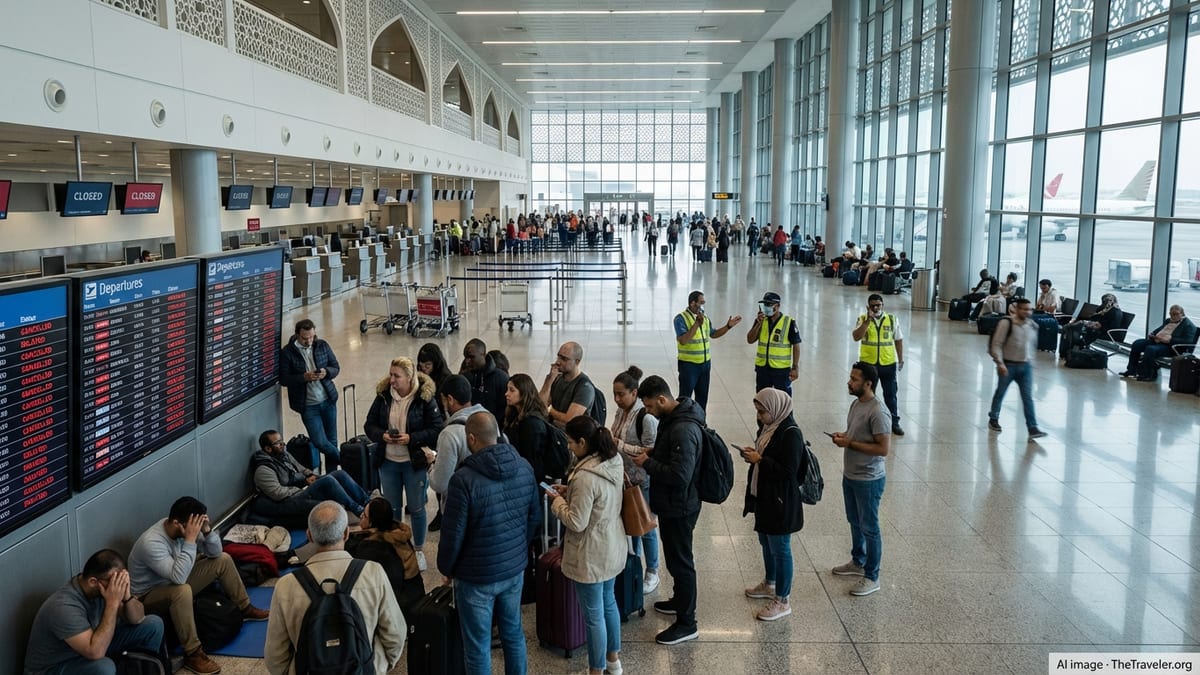
The article discusses the importance of intermodal travel, which involves the seamless integration of air, rail, maritime, and other transport modes to enhance the travel experience. A new SITA white paper titled “Navigating the Seams of Seamless Travel” emphasizes that collaboration among airports, airlines, rail operators, maritime operators, cities, and transport authorities is crucial. This collaboration, centered around shared data and coordinated action, aims to reduce passenger stress, cut inefficiencies, and protect revenue. The paper highlights the expanding travel networks across various modes of transport and underscores the need for a unified approach to address the points where journeys break down.
Key Points:
Intermodal travel involves integrating multiple transport modes (air, rail, maritime) to create a seamless travel experience.
The SITA white paper “Navigating the Seams of Seamless Travel” advocates for collaboration among various stakeholders to fix breakdowns in passenger journeys.
Collaboration around shared data and coordinated action is identified as the most practical way to reduce passenger stress, cut inefficiencies, and protect revenue.
Travel networks are expanding across air, rail, maritime, and other modes, necessitating a unified approach to travel management.
Actionable Takeaways:
Enhance Data Sharing: Travel operators should prioritize sharing real-time data across different modes of transport to improve journey planning and reduce passenger stress. This data sharing can lead to more efficient route planning and better resource allocation, ultimately enhancing the travel experience and protecting revenue.
Foster Intermodal Collaboration: Encourage partnerships between airports, airlines, rail operators, maritime operators, cities, and transport authorities. By working together, these entities can identify and address points of breakdown in the travel journey, leading to smoother, more efficient travel experiences. This collaboration can also drive innovation in travel technology and services.
Invest in Integrated Travel Platforms: Develop and invest in integrated travel platforms that allow passengers to plan and manage their journeys across multiple modes seamlessly. Such platforms can provide a unified view of travel options, real-time updates, and integrated booking processes, thereby cutting inefficiencies and improving customer satisfaction.
Contextual Insights:
The article reflects the ongoing trend towards intermodal travel, driven by the need for more efficient, stress-free travel experiences. As travel networks expand across air, rail, maritime, and other modes, the complexity of managing these journeys increases. The emphasis on collaboration and data sharing aligns with current industry trends, where technology and data are becoming central to enhancing travel experiences. Thought leaders in the travel industry are increasingly advocating for integrated solutions that leverage shared data and coordinated action. This shift not only addresses the practical challenges of managing diverse transport modes but also positions travel operators to capitalize on emerging opportunities in travel tech, startups, and fintech innovations. By adopting these strategies, the travel industry can stay ahead of the curve, ensuring that passenger needs are met and revenue is protected in an increasingly competitive landscape.