





No products in the cart.
- Latest
- Trending

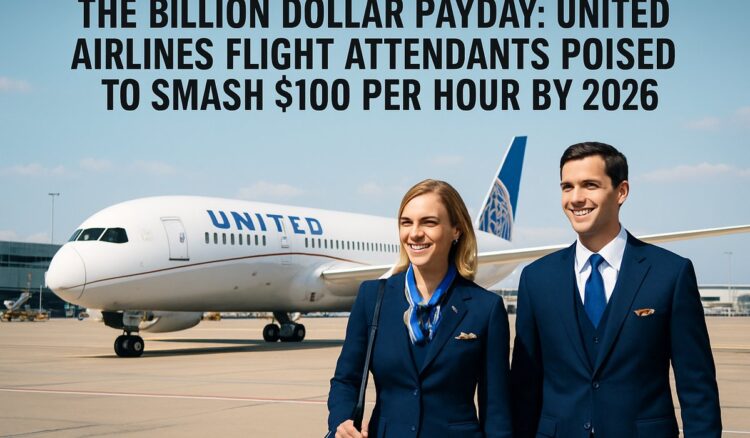
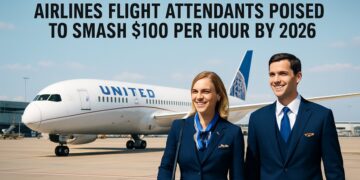
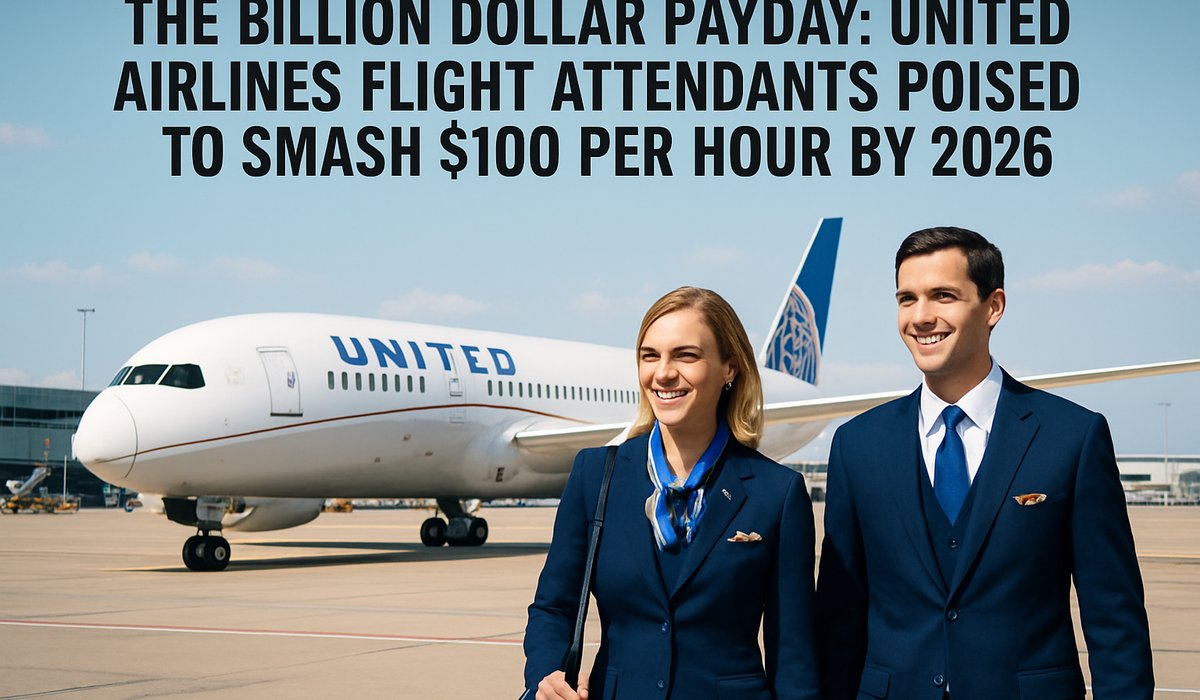
The Billion Dollar Payday: United Airlines Flight Attendants Poised to Smash $100 Per Hour by 2026
Comprehensive Summarization:
The article discusses a landmark compensation contract drafted by labor unions within United Airlines, aiming to significantly increase the hourly rate of top-tier flight attendants to beyond $100 by 2026. This development marks a massive, industry-altering shift in the economics of cabin crew compensation. The contract was the result of a six-year period characterized by stagnant wages, intense labor disputes, and picket lines. The summary captures the main theme of a transformative change in the compensation structure for flight attendants, the key development of the landmark contract, and the overall context of prolonged labor negotiations within the airline industry.
Key Points:
Actionable Takeaways:
Contextual Understanding:
The article’s context is deeply rooted in the ongoing labor negotiations within the airline industry, particularly focusing on the United Airlines case. The six-year period of stagnant wages and intense labor disputes underscores a broader trend of labor unrest in the aviation sector. This situation is further contextualized by the fact that the contract’s success is a direct response to these challenges, demonstrating the power of labor unions in driving industry-wide changes. In terms of current industry trends, this development aligns with a growing emphasis on fair compensation and employee welfare within the travel sector. It also highlights the potential for increased labor activism in industries where workers face long-standing wage stagnation and challenging working conditions.
Handling Different Article Types:
The article falls under the category of a news blurb, providing factual information about a significant development in the airline industry. The structured output format is designed to accommodate such factual summaries, ensuring clarity and ease of integration into professional materials. Given the nature of the article, no opinion pieces or feature articles are present, simplifying the analysis and summarization process.
Read the Complete Article.
Get curated travel AI insights — choose the newsletters that matter to you.
ALTOUR Expands into Thailand, Strengthening Corporate Travel Network Across Southeast Asia BANGKOK, THAILAND (25 March, 2026) – ALTOUR, a leading...
Read moreDetails


Singapore — April 14, 2026 In short: Kirk Westaway and Stefan Heilemann collaborate on a one-day dining event at JAAN...
Read moreDetails