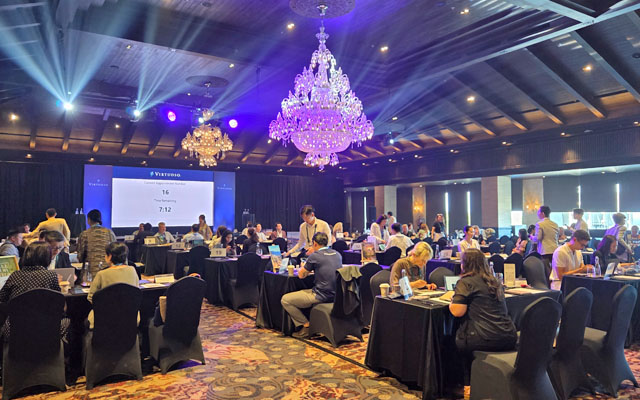
This panel discussion, titled “The Future of Travel: Personalization, Tech & the Customer” from the Travel Tech Show @ ExCeL London, provided a comprehensive look into the evolving landscape of the travel industry, with a strong emphasis on leveraging technology to enhance customer experience. Moderated by Lee Hayhurst, Editor of Travolution, the panel featured industry leaders: Cyril Ranque, President, Travel Partners Group, Expedia Group; Sam Turner, CEO, Travel Counsellors; Laura Huddart, Head of Strategic Partnerships, Google; and Chris Roe, Commercial Director, Paxport.
The conversation kicked off by defining personalization, moving beyond simple segmentation to delivering truly relevant and contextualized offers that anticipate individual traveler needs. Ranque highlighted Expedia’s mobile-first strategy, emphasizing how app usage drives significantly higher conversion and repeat business due to the data-rich, habitual nature of app interaction. Turner underscored the enduring value of human connection in travel, particularly for complex and high-value bookings, where travel agents provide emotional intelligence and bespoke service that technology cannot fully replicate.
The discussion then naturally progressed to the role of Artificial Intelligence (AI) and data. Huddart detailed Google’s approach to using AI to understand user intent, facilitate discovery beyond direct search queries, and personalize advertising, stressing the importance of context and relevance over mere data volume. She also highlighted the growing consumer demand for sustainable travel options. Roe from Paxport brought the operational perspective, discussing how AI can automate back-office functions and streamline the booking process for B2B partners, freeing up human agents for more complex tasks.
A key theme throughout the panel was the symbiotic relationship between technology and human expertise. While AI and data are crucial for efficiency, personalization at scale, and identifying trends (like sustainability), the panelists agreed that the human element remains vital for building trust, handling exceptions, and catering to the emotional aspects of travel planning. The conversation also touched upon the industry’s significant global economic and social impact, urging a more proactive approach to communicating its value and addressing sustainability challenges collaboratively. The panel concluded with a shared vision for a future where technology empowers both businesses and customers, fostering more seamless, personalized, and responsible travel experiences.
The travel industry represents approximately 1.9% of global GDP (as stated, noting potential for context or specific segment reference).
Travel Industry Insights (Trends, Predictions, & Announcements)
Notable Trends:
Hyper-Personalization: The industry is moving towards highly individualized experiences, leveraging data and AI to deliver relevant offers, recommendations, and services that anticipate traveler needs based on context and past behavior, rather than just broad segmentation.
Mobile-First Engagement: Mobile apps are becoming the primary interface for booking and managing travel, driving higher engagement, conversion rates, and customer loyalty due to their habitual usage and ability to capture rich user data.
AI for Efficiency and Discovery: Artificial intelligence is being adopted across the travel ecosystem, from optimizing internal operations and customer service to powering recommendation engines that help travelers “discover” new options rather than just “search” for known ones.
Growing Demand for Sustainable Travel: There is a significant and increasing consumer expectation for eco-friendly and sustainable travel options, requiring travel businesses to adapt their offerings, clearly communicate their sustainability efforts, and facilitate responsible choices.
Enduring Value of the Human Element: Despite technological advancements, the human touch of travel agents and advisors remains critical for complex itineraries, high-value bookings, and providing emotional reassurance and bespoke service that technology cannot fully replicate.
“Bookings for a Feeling”: Travelers are increasingly seeking emotional connections and unique experiences over mere transactional bookings, prompting a shift in how travel products are packaged and marketed.
Importance of Data Ethics and Trust: With the rise of data-driven personalization, the ethical use of customer data and building trust with consumers through transparency are paramount.
Predictions & Projections:
AI as an Enhancer, Not a Replacer:AI is expected to augment human capabilities, particularly for travel agents, by automating routine tasks and providing insights, allowing them to focus on more complex, high-value, and emotionally resonant customer interactions.
Evolving Role of Travel Agents: Travel agents will increasingly become specialized advisors for complex, bespoke, or emotionally significant trips, leveraging technology for efficiency while focusing on their unique human strengths like empathy and problem-solving.
Seamless Blend of Digital and Human Interaction: The future of travel will feature a sophisticated integration of digital platforms and human expertise, providing travelers with flexible options for how they interact with travel providers throughout their journey.
Sustainability as a Core Business Driver: Sustainability will transition from a niche offering to a fundamental expectation, influencing booking decisions and driving innovation across the supply chain, impacting everything from transport to accommodation choices.
Continuous Innovation and Testing: Travel companies must maintain a culture of constant experimentation, testing new technologies and approaches to stay ahead in a rapidly evolving market and meet changing customer expectations.
Key Announcements:
No specific product launches, strategic partnerships, or new company initiatives were announced during this panel discussion. The session focused primarily on discussing existing trends, future predictions, and strategic approaches within the industry.