














Travel Capitalist Ventures Expands Check Size to $10 Million to Deepen Emerging Market Conviction
Boutique Travel VC raises investment cap from $1.5M to $10M to lead rounds and support portfolio companies through growth Travel...
Read moreDetails
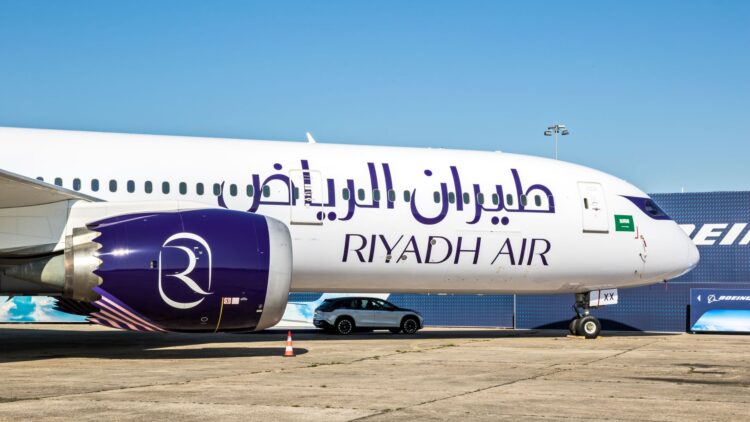
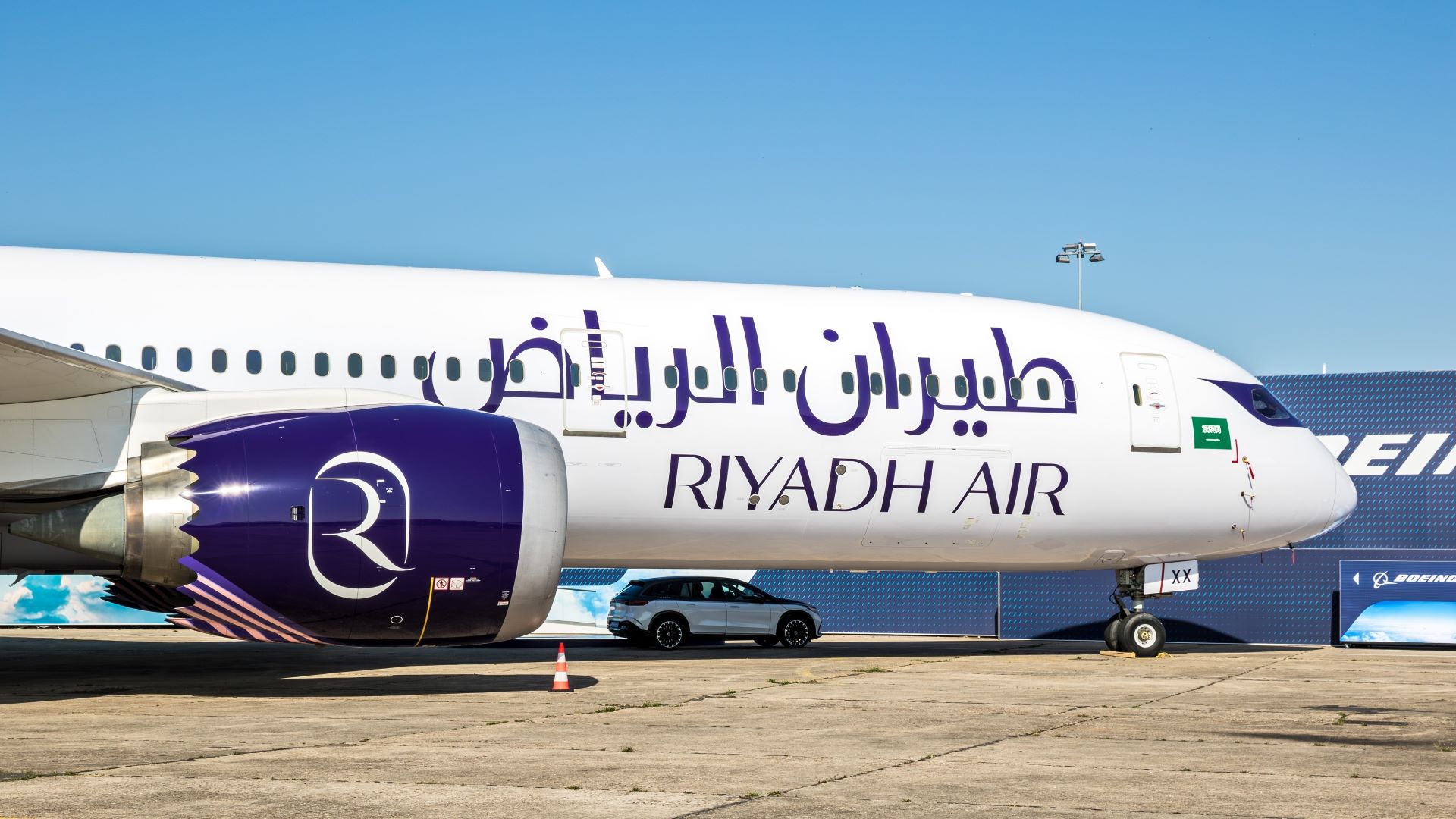
A Boeing 787-9 Dreamliner from Riyadh Air on the airport tarmac during the Paris Air Show. Le Bourget, France, June 16, 2025. (Photo: Shutterstock/VanderWolf Images)
Comprehensive Summarization:
Riyadh Air, a startup airline backed by Saudi Arabia’s Public Investment Fund (PIF), has launched a cargo division to handle goods transport in the lower hold of its aircraft. This strategic move comes as the airline prepares to commence regular passenger flights this quarter. The national carrier initiated daily services from Riyadh to London Heathrow Airport in late October, initially operating with a leased Boeing 787-9. On Wednesday, Riyadh Air announced that it has started transporting shipments alongside passenger flights. This development underscores the airline’s expansion into cargo services, leveraging its existing infrastructure and fleet to cater to both business and leisure travelers.
Key Points:
Actionable Takeaways:
Expansion into Cargo Services: Riyadh Air’s introduction of a cargo division highlights a growing trend among startups in the travel industry to diversify revenue streams by offering cargo services alongside passenger flights. This move could open new market opportunities and enhance the airline’s profitability by tapping into the lucrative cargo transport market.
Leveraging Existing Infrastructure: By utilizing its leased Boeing 787-9 for cargo transport, Riyadh Air demonstrates an efficient use of existing assets. This approach not only reduces capital expenditure but also allows the airline to quickly scale its operations without significant upfront investment. For startups in the travel sector, this underscores the importance of optimizing current resources to achieve rapid growth and market penetration.
Contextual Insights:
The launch of Riyadh Air’s cargo division aligns with broader industry trends where startups are increasingly adopting innovative business models to carve out a niche in the competitive travel market. The integration of cargo services into passenger flights is a strategic response to the rising demand for flexible logistics solutions, particularly in sectors like e-commerce and global trade. This development is particularly relevant in the context of the ongoing digital transformation in travel, where startups are leveraging technology to offer integrated solutions that cater to both passenger and cargo needs. Furthermore, the airline’s use of a leased Boeing 787-9 reflects a cost-effective strategy to enter the market, a tactic that other startups might emulate to minimize initial financial risks. As the travel industry continues to evolve, such innovations in service diversification and operational efficiency will likely shape future market dynamics, offering valuable insights for stakeholders in the travel tech, startups, and fintech sectors.
Read the Complete Article.
Boutique Travel VC raises investment cap from $1.5M to $10M to lead rounds and support portfolio companies through growth Travel...
Read moreDetails



Comprehensive Summarization: The article discusses OpenAI's strategic shift away from direct travel bookings within ChatGPT, opting instead to focus on...
Read moreDetails
