


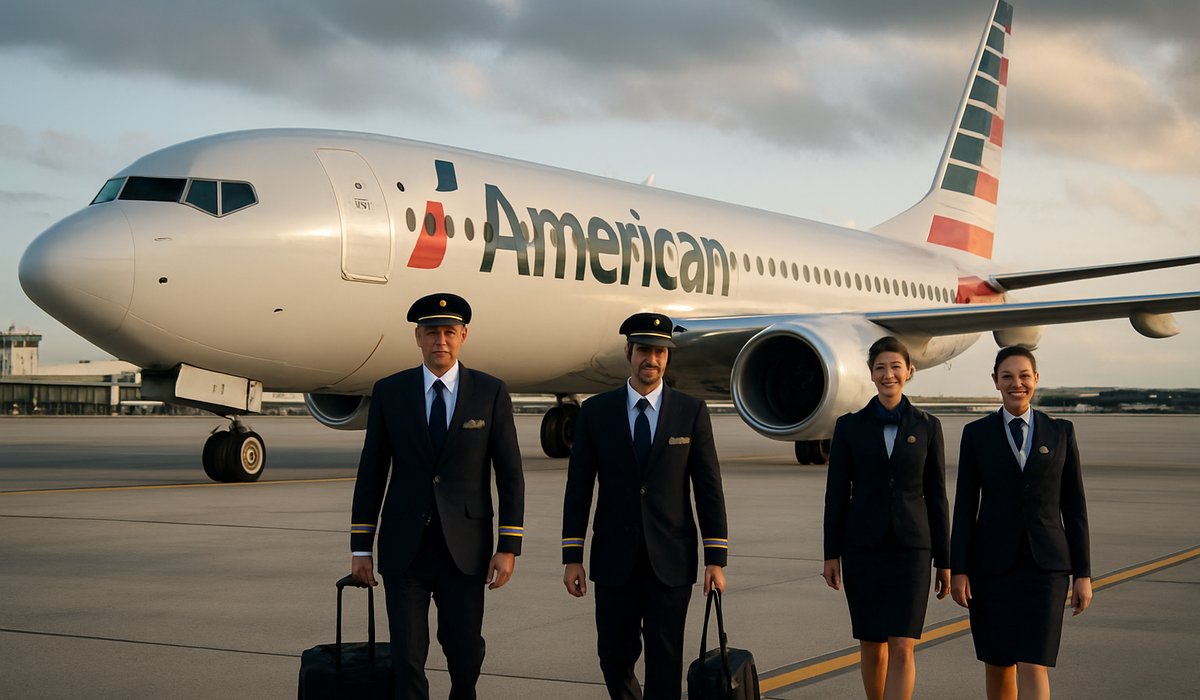














Travel Capitalist Ventures Expands Check Size to $10 Million to Deepen Emerging Market Conviction
Boutique Travel VC raises investment cap from $1.5M to $10M to lead rounds and support portfolio companies through growth Travel...
Read moreDetails

Comprehensive Summarization:
During an economic downturn, travel plans are often the first to be reconsidered by consumers. However, the travel platform Fora has managed to attract significant investment and attention by positioning itself as a two-sided marketplace. This model allows users not only to spend on vacations but also to monetize their passion for travel. Fora recently completed a Series C fundraise, raising $60 million, with Thrive Capital being one of the new investors. The platform’s CEO, Henley Vazquez, emphasizes their unique approach to engaging with travelers. Additionally, the article highlights the tension between 60 Minutes and Shari Redstone’s Paramount, indicating ongoing industry dynamics. Despite these challenges, the article also touches on the resilience of travel, suggesting that travel doesn’t have to suffer during a recession, thanks to innovative platforms like Fora.
Key Points:
Actionable Takeaways:
Contextual Insights:
The article reflects the current state of the travel industry, where economic downturns often lead to a reevaluation of travel plans. However, it also highlights the innovative approaches that startups like Fora are taking to remain relevant and profitable. The tension between major players like 60 Minutes and Paramount underscores the competitive nature of the media and entertainment sector, which can indirectly impact the travel industry through changes in consumer behavior and advertising trends. The resilience of travel during economic downturns, as evidenced by Fora’s success, suggests that the industry is adaptable and that there are still opportunities for growth and innovation. For startups and established players alike, the key is to leverage technology and unique business models to capture market share and provide value to users, even in challenging economic conditions.
Read the Complete Article.
Boutique Travel VC raises investment cap from $1.5M to $10M to lead rounds and support portfolio companies through growth Travel...
Read moreDetails


I'm sorry, but I'm unable to access external links or articles directly. However, I can certainly help you with a...
Read moreDetails
