





No products in the cart.
- Latest
- Trending


The global travel landscape is in constant flux, presenting both challenges and exciting opportunities for industry professionals. A recent analysis highlights several critical trends that are redefining how we explore the world, from evolving guest expectations to the pervasive influence of technology and sustainability. Understanding these shifts is paramount for any business aiming to thrive in this dynamic sector.
One of the most significant transformations is the heightened emphasis on personalization. Travelers are no longer content with one-size-fits-all experiences. They crave tailored itineraries, unique accommodations, and services that cater specifically to their individual preferences and past behaviors. This demands a deeper understanding of customer data and the ability to leverage it effectively to deliver memorable, bespoke journeys. From curated dining recommendations to dynamically priced room options based on loyalty status, personalization is becoming the new benchmark for guest satisfaction.
Technology continues its relentless march, permeating every touchpoint of the travel journey. Artificial intelligence (AI) is at the forefront, powering everything from sophisticated chatbots that provide instant customer support to predictive analytics that anticipate demand and optimize pricing. Contactless solutions, once a novelty, are now a necessity, offering seamless check-in/check-out processes and digital room keys. Furthermore, the metaverse and virtual reality (VR) are emerging as powerful tools for destination marketing and pre-trip experience sampling, allowing potential travelers to "try before they buy" in an immersive digital environment.
Sustainability is no longer a niche concern but a core driver of consumer choice. Travelers are increasingly aware of their environmental and social impact, actively seeking out eco-friendly accommodations, responsible tour operators, and destinations that prioritize conservation. Businesses that can demonstrate a genuine commitment to sustainable practices, from reducing their carbon footprint to supporting local communities, will gain a significant competitive advantage. This includes embracing renewable energy, minimizing waste, and offering ethically sourced products and experiences.
The future of work is also significantly impacting travel patterns. The rise of remote and hybrid work models has fueled the growth of "bleisure" travel, blending business and leisure. This trend creates opportunities for extended stays, co-working spaces within hotels, and a demand for amenities that cater to both productivity and relaxation. Digital nomads and long-term travelers are reshaping demand for accommodations and forcing a re-evaluation of traditional hotel models.
Finally, data analytics and AI-driven insights are crucial for navigating the complexities of the modern travel market. Understanding booking patterns, guest feedback, and market trends allows businesses to make informed decisions, optimize operations, and identify new revenue streams. The ability to predict demand, personalize offers, and manage customer relationships effectively is directly tied to the intelligent utilization of data.
Key Points:
Read the Complete Article.
Get curated travel AI insights — choose the newsletters that matter to you.
This spot is reserved for brands with a compelling story for the travel trade. They use this space to cut...
Read moreDetailsALTOUR Expands into Thailand, Strengthening Corporate Travel Network Across Southeast Asia BANGKOK, THAILAND (25 March, 2026) – ALTOUR, a leading...
Read moreDetails


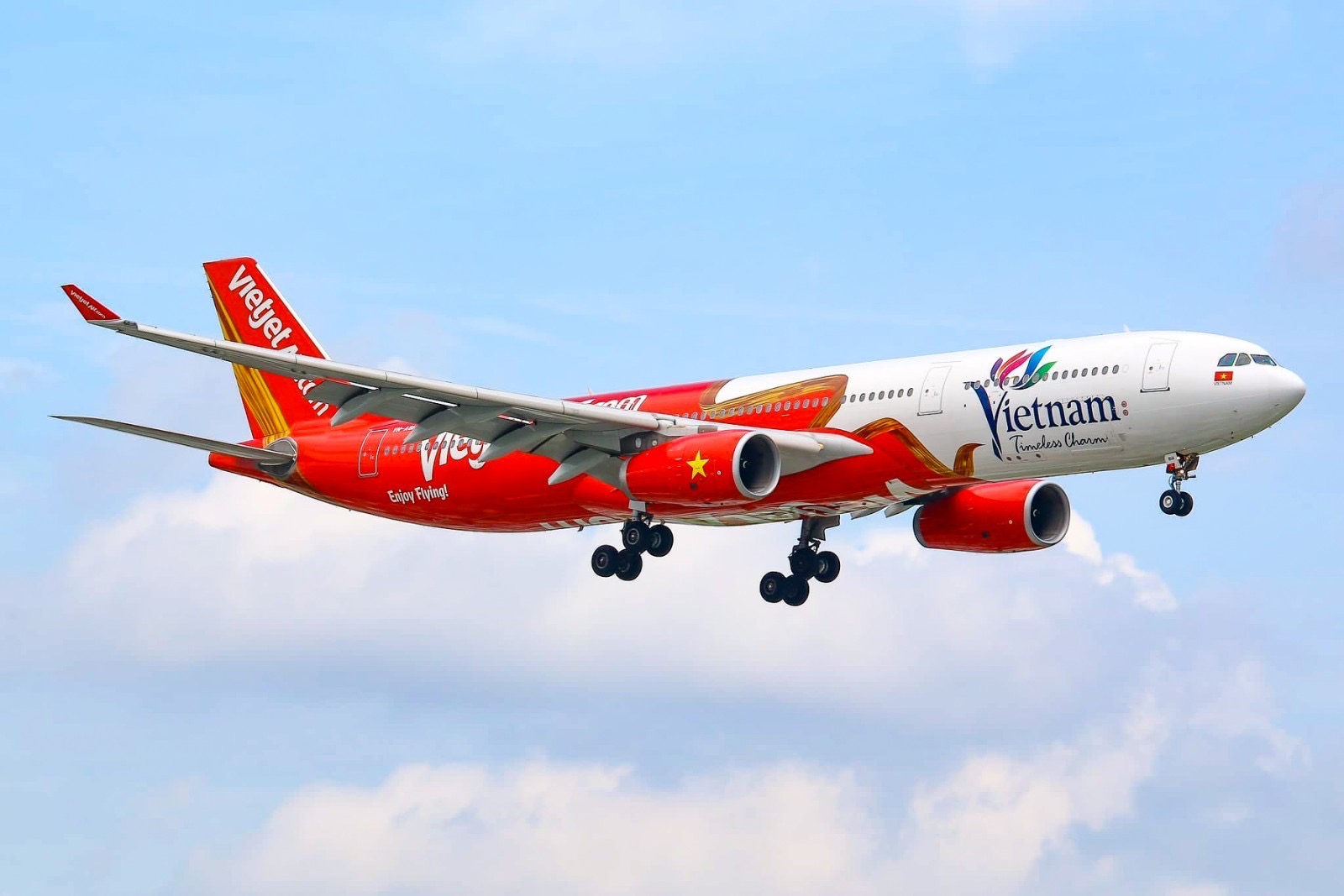
Comprehensive Summarization: Vietjet, a prominent airline in Vietnam, has recently signed multiple strategic agreements with leading U.S. corporations and financial...
Read moreDetails